Airport Dictionary: Essential Terms Explained
A practical A to Z of gates, concourses, transfers, final calls, airside areas and more.
8 min read · Updated September 2026
The essential airport words
Landside is the part of the airport anyone can enter without a boarding pass, including check-in desks, public seating and ground transport areas. Airside is the controlled area reached only after passing security screening, where gates, duty free shops and departure lounges are located. The concourse is the long corridor or hall within a terminal that connects a row of gates, and a large airport may have several concourses linked by trains or walkways. Check-in is the process of confirming your identity and flight with the airline and receiving a boarding pass, which can happen at a counter, a kiosk or online before you arrive. Security is the separate screening process for passengers and their carry-on items, distinct from check-in and usually the step that separates landside from airside. Departure refers to your flight leaving the airport, while arrival refers to a flight landing, and departure boards list outgoing flights while arrival boards list incoming ones, so checking the wrong board is a common and avoidable mistake. Baggage drop and check-in are sometimes combined into a single desk at smaller airports, but at larger ones they are physically separate stops, so confirm which applies to your specific airline before you arrive.
Moving between flights
A connection means you change from one flight to another to reach your final destination, usually on a single overall booking. Transfer is often used interchangeably with connection, particularly for the physical act of moving from one gate or terminal to another between flights. Transit describes passing through an airport on the way to somewhere else, and in many airports this happens without fully entering the country, through a dedicated transit area. There is no single fixed amount of time that counts as safe for every connection, since the realistic minimum depends on the specific airport's layout, whether a terminal change or a fresh security check is required, and whether you need to pass through immigration, so always check the guidance for your specific route rather than assuming a number you heard applies everywhere. Bag drop is the counter or automated point where a checked bag is handed over after check-in, and it is a separate step from check-in itself at many airports. A shuttle, whether a bus or an internal train, is the vehicle used to move passengers between terminals or between a terminal and a remote parking area, and it should not be confused with the aircraft boarding process itself.
At the gate
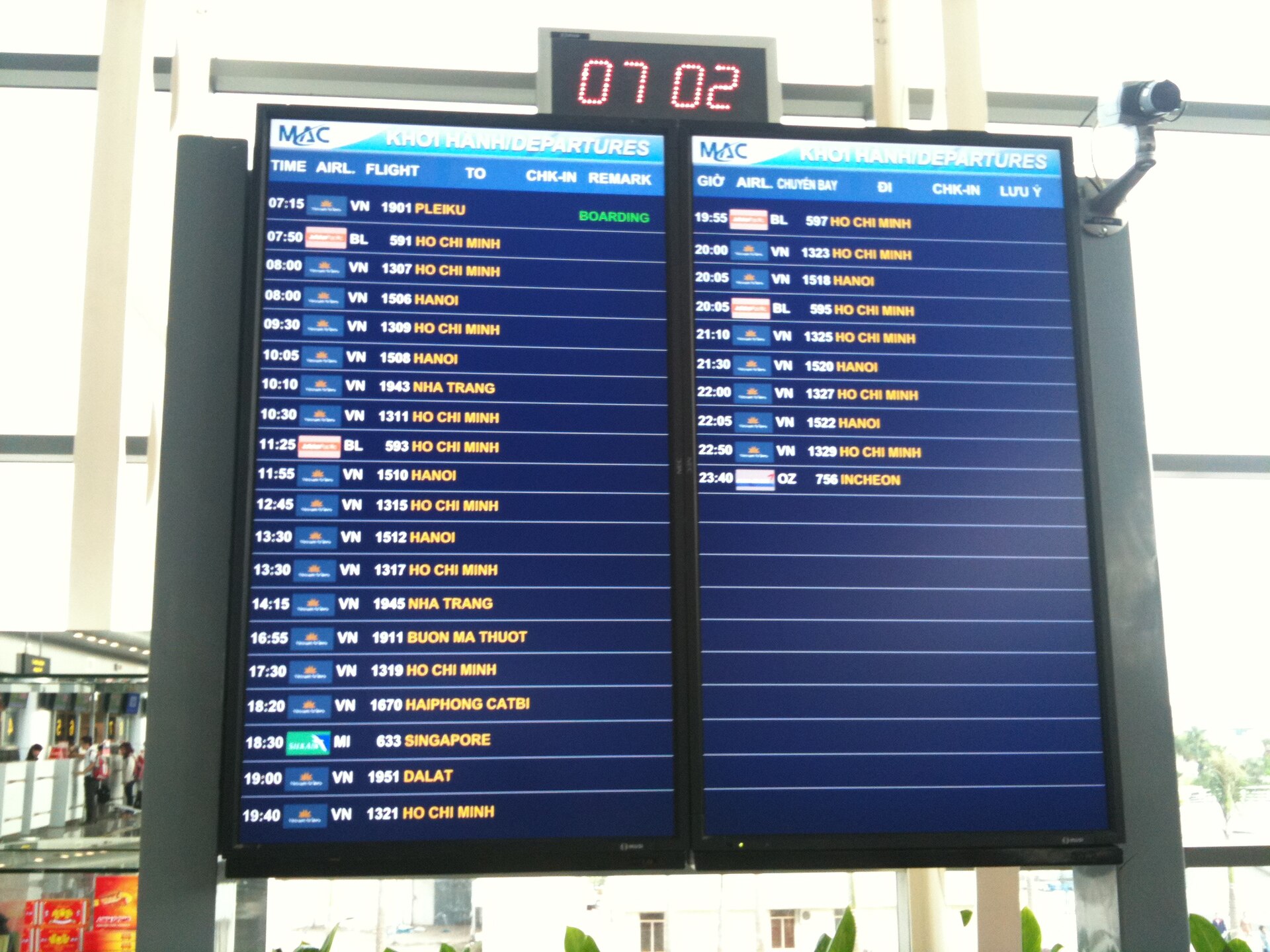
Gate refers to the specific numbered location where you board your aircraft, and it is often assigned or changed only a short time before departure, so checking the current screen matters more than trusting an earlier printout. Boarding is the process of walking from the gate area onto the aircraft, typically organized into groups called by zone, seat row or status. Final call means the gate is preparing to close and any remaining passengers must come immediately, and missing a final call can mean the door closes even if the aircraft has not yet pushed back. Gate closed is a stricter stage than final call, meaning staff are no longer accepting passengers at all, regardless of how visible the aircraft still is outside the window. Standby means you do not yet hold a confirmed seat and are waiting to see if one becomes available before the gate closes. A boarding group number printed on your pass controls when you are called forward, and boarding out of your assigned group is usually not permitted even if the line ahead looks short.
Useful note: Airside means beyond the relevant security boundary; landside is the public part. Terminal transfer signs can refer to either side.
Arrivals and baggage
Lost property at an airport refers to personal items left behind in public areas, such as a phone forgotten at a cafe table or a jacket left on a seat, and these are usually handled by a dedicated airport lost property office rather than the airline. Airline baggage issues are a separate matter entirely, covering checked bags that do not arrive, arrive damaged or arrive late, and these are reported to the airline or its ground handling desk rather than to the airport's lost property service. A property irregularity report is the specific document created when a checked bag does not arrive as expected, and it is filed with the airline before leaving the baggage claim area. Baggage claim or baggage reclaim is the hall where checked bags are returned to passengers on a carousel after a flight lands, and it is distinct from both lost property and the airline's baggage service desk, which is usually located just beside or past the carousels for exactly this kind of problem. If an item is missing from inside a checked bag that did arrive, this is usually treated as a baggage content issue handled by the airline rather than a simple lost property case, and it typically requires a separate report.