Damaged Baggage: Reporting the Problem
Photograph damage early, identify the responsible airline and submit a clear report.
8 min read · Updated September 2026
Understand the situation
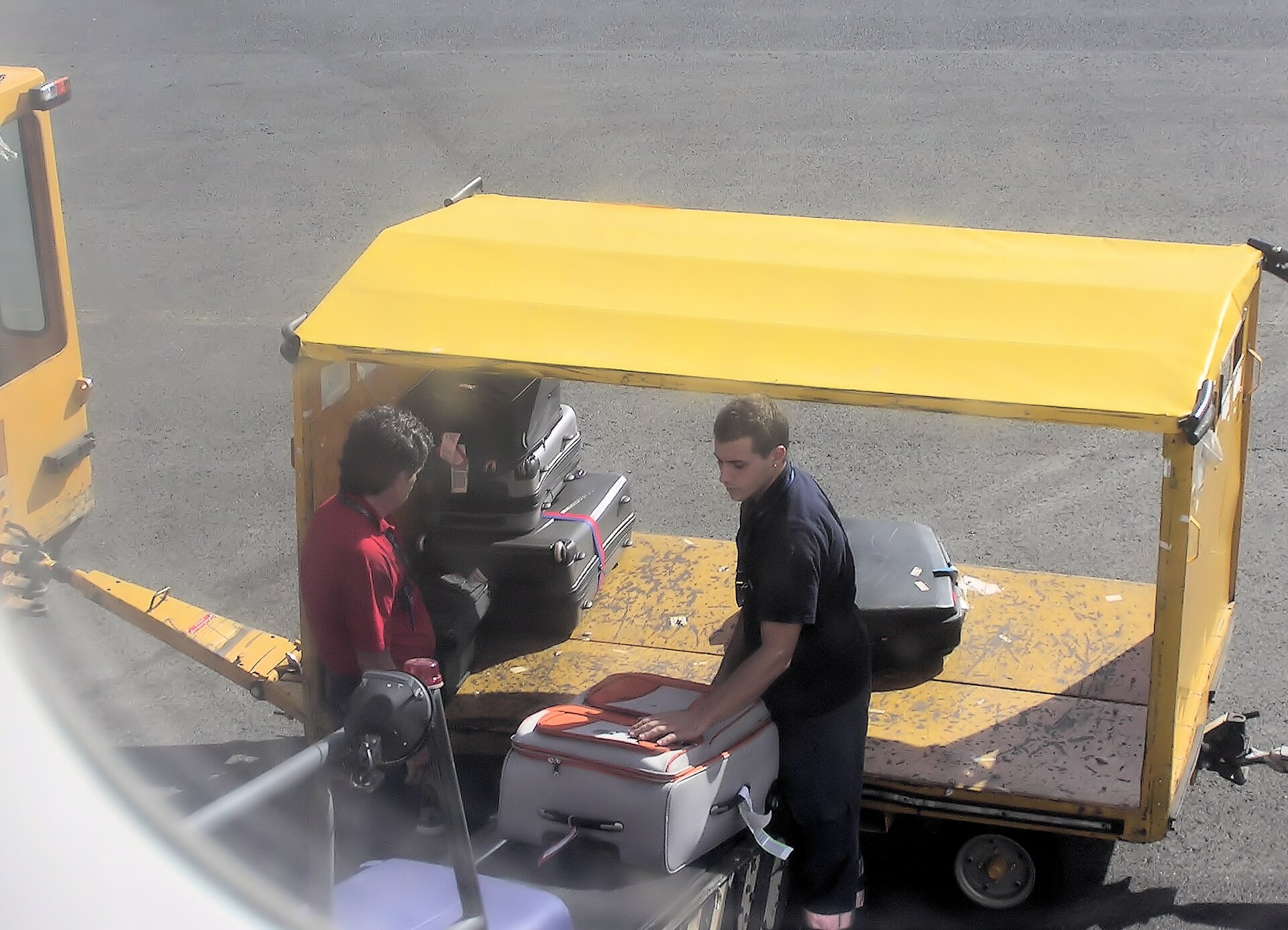
Damage to checked luggage ranges from minor scuffing that comes with normal handling to broken wheels, torn seams, or crushed frames that affect the bag's usability. Airlines generally distinguish between cosmetic wear, which is usually not compensated, and functional damage that prevents the bag from being used as intended. Reviewing the fine print of the baggage policy for your specific airline before you travel will clarify what kind of damage is typically eligible for a claim. Acting quickly after you notice the damage improves your chances of a smooth outcome, since most carriers require reporting within a short window after arrival. Understanding this window in advance saves you from missing the opportunity to file simply because you were unaware of the deadline. Taking note of how your bag looked before the trip, even informally, gives you a useful comparison point if damage appears after a flight.
What to do first
Prevention: Reduce the risk of damage by choosing hard-shell cases for fragile contents and by using protective covers on wheels and handles, which are the parts most exposed to rough handling. Pack heavier items at the base of the bag and use padding around anything breakable, since conveyor systems and loading equipment can jostle bags considerably. Avoid overstuffing a bag to the point where seams or zippers are under constant strain, as this makes tears more likely even under normal handling. If you own a particularly valuable or fragile case, consider a protective wrap service offered at many airports. Soft-sided bags, while lighter, are generally more prone to tearing under heavy loads, so weigh that trade-off against your travel needs.

What to check
Immediate Steps: Inspect your bag at the carousel before leaving the baggage claim area, and report any visible damage to the airline's service desk immediately rather than discovering it later at home. Take photographs of the damage from multiple angles while still at the airport, including close-ups of the specific broken component and a wider shot showing the whole bag. Ask the agent to document the damage in writing and provide you with a reference number for the report. If the damage affects contents inside the bag, note this separately, since structural bag damage and interior item damage are often processed differently. If the agent is unable to inspect the bag immediately, ask for a timeframe when someone will follow up with you directly.
Useful note: Do not discard the damaged suitcase or authorize a paid repair until you understand the evidence the airline requires.
Where to get help
Documentation: Keep the original purchase receipt or a reasonable estimate of the bag's value, along with photographs taken both at the airport and again at home. If repair is possible, obtain a written estimate from a repair shop before replacing the item outright, since many airlines prefer to cover repair costs when feasible rather than full replacement. Retain your boarding pass and baggage tag, as these confirm the flight and bag in question. A clear paper trail showing when the damage was reported and what evidence was gathered makes the review process considerably smoother. Noting the specific flight segment where you suspect the damage occurred, if you have a guess, can help the airline narrow its internal review.

Keep useful records
Resolution: Airlines evaluate damage claims against their own published policies, and compensation is based on a depreciated value of the bag rather than its original purchase price in most cases. The specific outcome depends on factors such as the extent of damage, the bag's age, and whether the damage falls within what the airline classifies as normal wear. If your initial claim is denied or the offered amount seems inconsistent with the stated policy, request a written explanation and consider escalating through the airline's formal complaint process. Being specific about the policy terms you believe apply to your situation tends to produce a more thorough review. Ask whether the airline's policy distinguishes between bags purchased recently and older bags, since this detail often affects the final offer.
Practical notes
Practical Tips: When packing, distribute weight evenly and double check that zippers are fully closed and external straps are secured, since loose straps are a common point of damage during loading. If you travel frequently, periodically inspect your bag's wheels, handles, and seams at home so you can distinguish pre-existing wear from new damage after a flight. Consider travel insurance that includes baggage damage coverage if you often check bags with valuable or fragile contents. Reporting promptly and keeping thorough records remains the most effective way to support a fair review of your situation. A bag with a recognized reinforced frame may hold up better over repeated trips, reducing how often you need to file a claim at all. Replacing an aging bag before it becomes structurally weak can also prevent damage that might otherwise be blamed on handling. Choosing a bag style suited to how roughly it is likely to be handled on your typical routes is a simple habit that pays off over many trips.
Related guides

Lost Baggage: What to Do at the Airport
Report the missing bag before leaving arrivals, save the reference number and keep every useful record.
Read guide
Delayed Baggage: Tracking and Essentials
How to follow updates, document necessary purchases and make delivery easier.
Read guide
Carry-on and Checked Baggage Problems
What to do when a bag is oversized, checked at the gate, refused or routed incorrectly.
Read guide