Understanding Flight Refunds
Find the applicable fare and disruption rules, then request the right remedy with clear records.
8 min read · Updated September 2026
Understand the situation
Flight refund rules are not one-size-fits-all, and the single most common misconception travelers carry is that a canceled or disrupted flight automatically means cash back. In reality, whether you are entitled to a refund depends on who canceled the flight, what fare type you purchased, and which country's regulations govern that particular route. A flight canceled by the airline itself typically creates stronger refund rights than a flight you choose to cancel yourself, especially on a nonrefundable fare. Basic economy and promotional fares often come with explicit no-refund conditions in the fare rules, but these contract terms do not override statutory consumer protections that may still apply in your country or route, such as rights triggered by an airline-caused cancellation or significant schedule change, so fare rules are a starting point rather than the full picture. Before assuming a refund is owed, locate the fare rules attached to your specific ticket, since these govern your situation far more directly than general assumptions about how airlines are supposed to behave.
What to do first
When an airline cancels a flight outright, most carriers offer a choice between rebooking on an alternative flight or a refund to the original payment method, and this distinction matters because accepting a voucher instead of pursuing a refund can sometimes forfeit stronger rights you might have had. Carefully read what the airline offers before clicking accept, since many booking portals default to a travel credit option that is easier for the airline to process but may be less valuable to you than a cash refund, particularly if the voucher carries an expiration date or blackout restrictions. If a formal refund is due, request it explicitly and keep a record of that request, including the date, the method used, and any confirmation number provided, since disputes over whether a refund was properly requested are common and documentation strengthens your position if the process takes longer than expected.
What to check
Significant schedule changes made by the airline, such as a flight time moved by several hours or a routing changed to include unwanted connections, can sometimes qualify for a refund even on an otherwise nonrefundable ticket. This right can come from the airline's own contract of carriage, from statutory consumer or aviation protections that apply on your route, or both, and the threshold for what counts as "significant" varies accordingly. A thirty-minute shift is unlikely to qualify, while a change of several hours or a different arrival day is more likely to trigger refund eligibility. Read both the airline's published conditions and the relevant aviation authority's consumer guidance. Some jurisdictions define eligible changes in law, while others rely more heavily on the carrier's terms, so an airline's own description is not always the final word on your rights.
Useful note: A voucher, a cash refund and a fare credit are not interchangeable. Read the proposed remedy before accepting it.
Where to get help
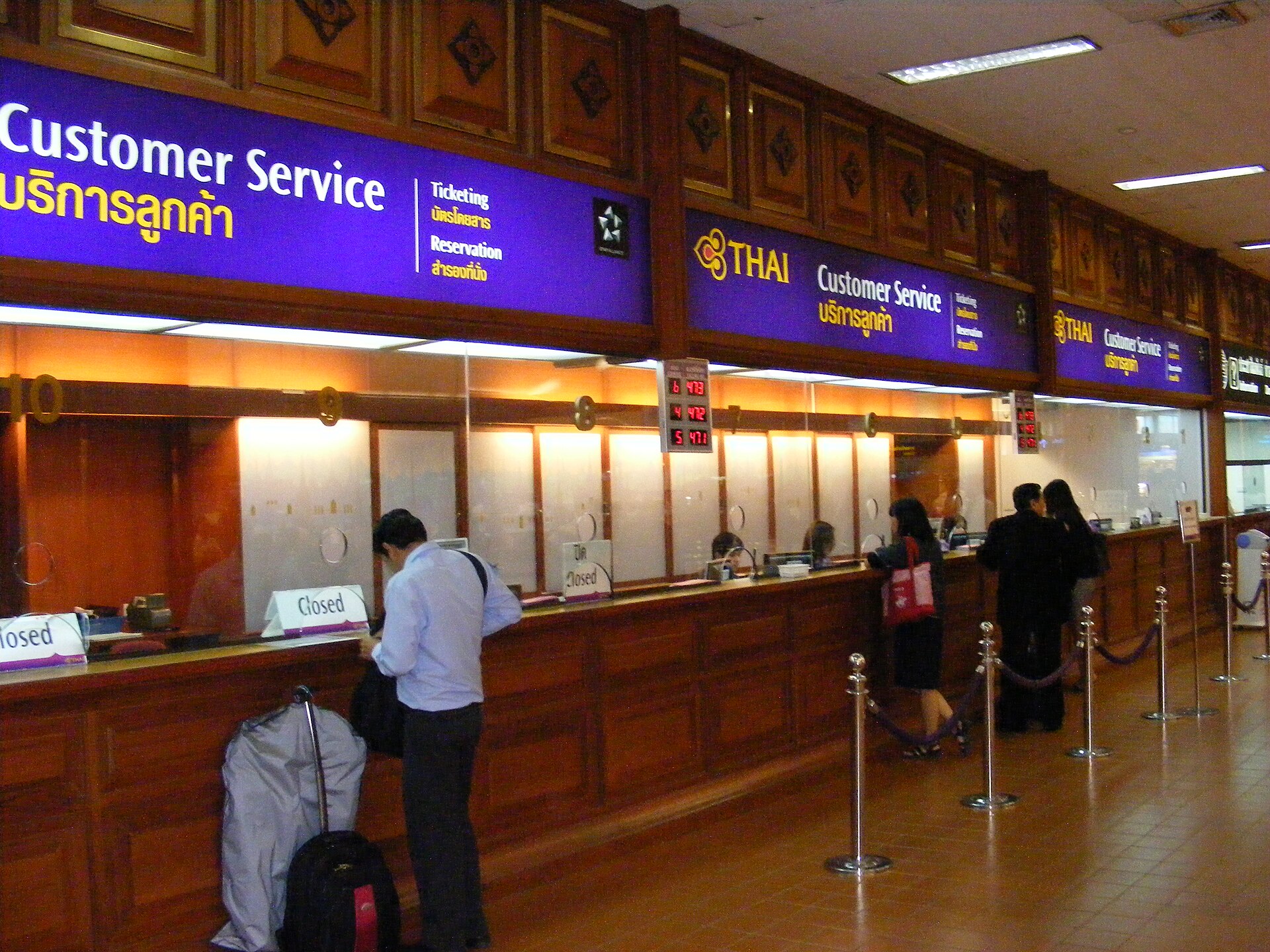
Refunds for flights booked through third-party travel agencies or online travel platforms often follow a different, slower path than refunds booked directly with an airline. When a cancellation happens, the airline may process the refund to the travel agency rather than directly to you, and the agency is then responsible for passing it along, which can add extra days or weeks to the timeline. If your ticket was booked through a third party, contact that platform first rather than the airline, since the airline's customer service may redirect you back to the agency regardless of how the cancellation originated. Keep your original booking confirmation and payment receipt accessible, since third-party refund disputes are resolved faster when you can clearly show the original transaction details rather than relying on memory of the booking process.

Keep useful records
Build a refund file that distinguishes the original purchase from the refund request. Include the seller's receipt, the airline booking reference, the cancellation or schedule-change notice and the option you selected. Record the amount requested, the payment method and any processing date the seller confirms. If a refund is said to have been issued, ask for a transaction reference that your bank can use to investigate, without sending full card details in an ordinary email. Preserve correspondence about deductions, vouchers or partial refunds so you can compare the result with the unused services on the ticket. Follow up through the same case where possible, and consult your card provider about its dispute process and deadlines if a confirmed refund remains unresolved.
Practical notes
Because refund rights depend heavily on your specific route, fare class, and the country whose aviation regulations apply, there is no universal rule that guarantees a refund in every disruption scenario. Travelers flying between countries with distinct consumer protection frameworks should expect different outcomes even for similar-looking cancellations, and relying on general internet advice written for a different jurisdiction can lead to wrong expectations. The most reliable approach is to pull up your airline's actual contract of carriage and your fare's specific conditions at the time of booking, save that information, and reference it directly when a dispute arises. Keeping organized records, including booking confirmations, cancellation notices, and all correspondence with the airline or agency, puts you in the strongest position to pursue whatever refund you may be entitled to under the rules that actually apply to your ticket.