Arranging Wheelchair Assistance at the Airport
When to request support, where to meet the assistance team and what to confirm.
8 min read · Updated September 2026
Understand the situation
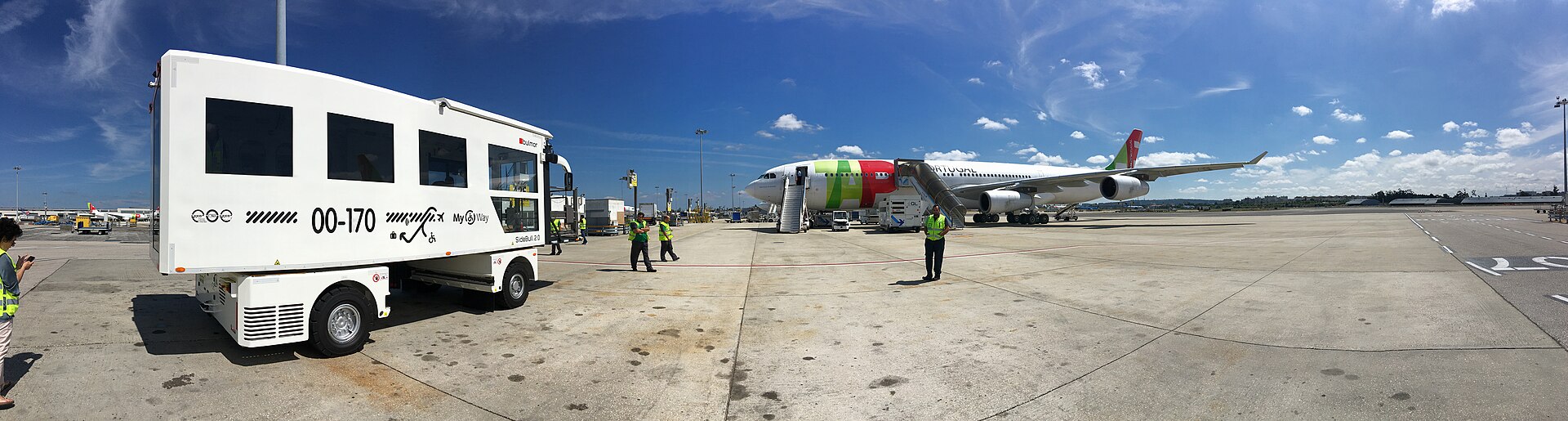
Airlines provide wheelchair assistance to help passengers move through check-in, security, immigration and boarding when walking long distances or standing in lines is difficult. Requests are normally made through the airline, while airport assistance teams or contracted ground handlers often deliver the service. Advance notice helps them plan equipment and staff; if your needs arise unexpectedly, ask the airline or a designated assistance point what support is available. Airlines generally sort requests into categories such as assistance to and from the aircraft door, assistance up and down steps, or assistance for passengers who can walk short distances but need help over distance. Knowing which category fits your situation helps the airline assign the right equipment and staff. Some airports contract wheelchair services to a third-party ground handler rather than airline employees, which means the people who meet you may wear different uniforms than the airline logo on your ticket. This is normal and does not mean your request was lost. Build in extra time before your flight, because wheelchair assistance can involve waiting for the next available pusher once you reach a meeting point, particularly during busy morning or evening departure banks.
What to do first
Request wheelchair assistance when you book the ticket, and check your airline's specific advance-notice window, since this varies by carrier, by calling the airline or using the accessibility section of its website or app. Provide specifics: whether you need a wheelchair for the whole journey or only for long walks, whether you can transfer yourself from the wheelchair to the aircraft seat, and whether you are bringing your own mobility device. After booking, call the airline again two to three days before departure to confirm the request is attached to your reservation, since requests entered at booking sometimes do not transfer correctly during schedule changes or itinerary edits. Ask for a confirmation number or note in the booking record locator. On travel day, arrive earlier than you would otherwise, since wheelchair passengers are typically guided through a separate or combined queue that still takes time to staff. Check in online where possible so the only task remaining at the airport is bag drop and the assistance meeting point.
What to check
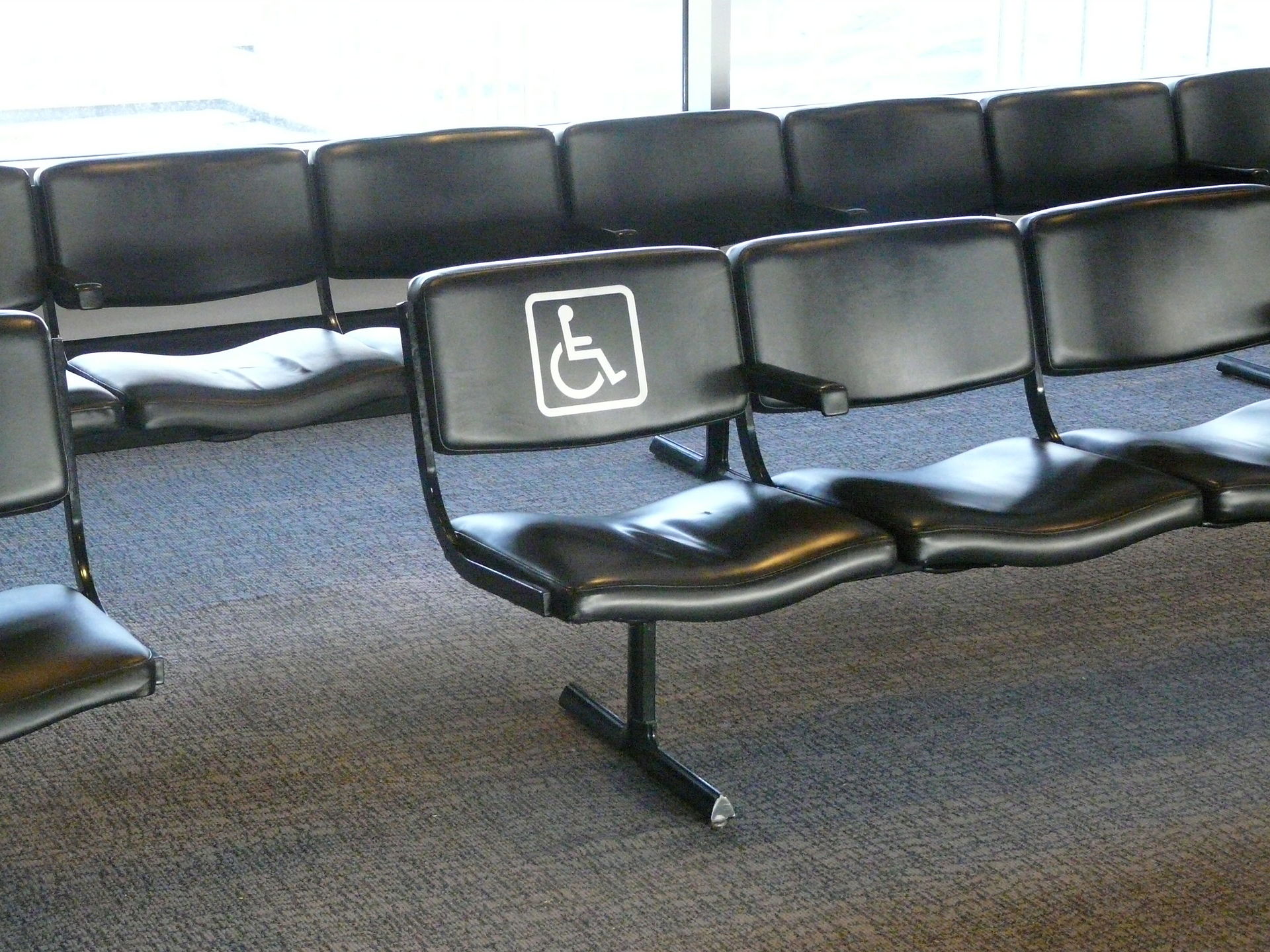
Find out exactly where to meet the wheelchair assistance team. This is often at the main terminal entrance, a dedicated assistance desk, or the check-in counter itself; the airline's confirmation message or website should state the location. Confirm whether the service covers only the terminal or also extends to a connecting flight, since passengers with layovers often need a second request logged for the connecting airport. Check what happens at the gate: some airlines board wheelchair passengers first, others board them with a small group before general boarding, so ask the gate agent directly rather than assuming. If you use your own wheelchair, confirm with the airline whether it will be tagged and stowed in the cargo hold at the gate or checked earlier with other baggage, and ask for a gate tag so it is returned to you at the aircraft door after landing when that service is offered on your route.
Useful note: Explain the support you need for walking, stairs and reaching your seat; a wheelchair request alone may not describe the full journey.
Where to get help
The airline's accessibility or special assistance desk, reachable by phone or through its app, is the correct contact for arranging and confirming wheelchair service. At the airport, assistance desks near terminal entrances or an airline's check-in area can radio for a wheelchair if one was not pre-booked, though waiting times are usually longer without advance notice. Airport information desks can direct you to the nearest assistance point but do not control scheduling. If a wheelchair does not arrive at the agreed time, speak to airline check-in or gate staff directly rather than airport general information, since they can contact ground handling by radio. For questions about specific equipment rules or disability accommodation policies, the airline's published accessibility policy or the relevant national aviation authority website gives current, binding details for your route.

Keep useful records
Save the confirmation email or app message showing your wheelchair request and any reference number attached to it. Note the name of anyone you speak to when confirming the request by phone, along with the date and time of the call. At the airport, if a delay in assistance causes you to miss a connection or boarding window, ask staff for a written note or incident reference before leaving the desk. Photograph your own mobility equipment, including any existing scratches or damage, before it is checked, so you have a clear comparison if it is returned damaged. Keep the baggage claim tag for mobility equipment attached to your boarding pass or ticket folder until the device is safely back in your hands.
Practical notes
Be specific when describing your needs rather than using general terms, since the detail you provide directly shapes which equipment and staffing level the airline arranges. If your needs change close to departure, such as needing an aisle chair for narrow cabin access, update the airline rather than assuming airport staff will know on the day. Traveling with a companion does not remove the value of requesting assistance yourself, since security screening areas sometimes require staff rather than a companion to handle the wheelchair, though rules vary by airport. If you are delayed waiting for assistance and have a tight connection, tell staff about the connection time immediately so they can decide whether to prioritize your transfer or arrange a faster route through the terminal.
Related guides
Traveling With Mobility Equipment
Practical preparation for wheelchairs, walkers, batteries and careful handling.
Read guide
Airport Support for Elderly Passengers
Plan a manageable journey with enough time, clear meeting points and sensible comfort breaks.
Read guide