Airport Check-in and Baggage Drop
Understand desk check-in, self-service kiosks, bag drops and the documents you may need.
8 min read · Updated September 2026
Understand the situation
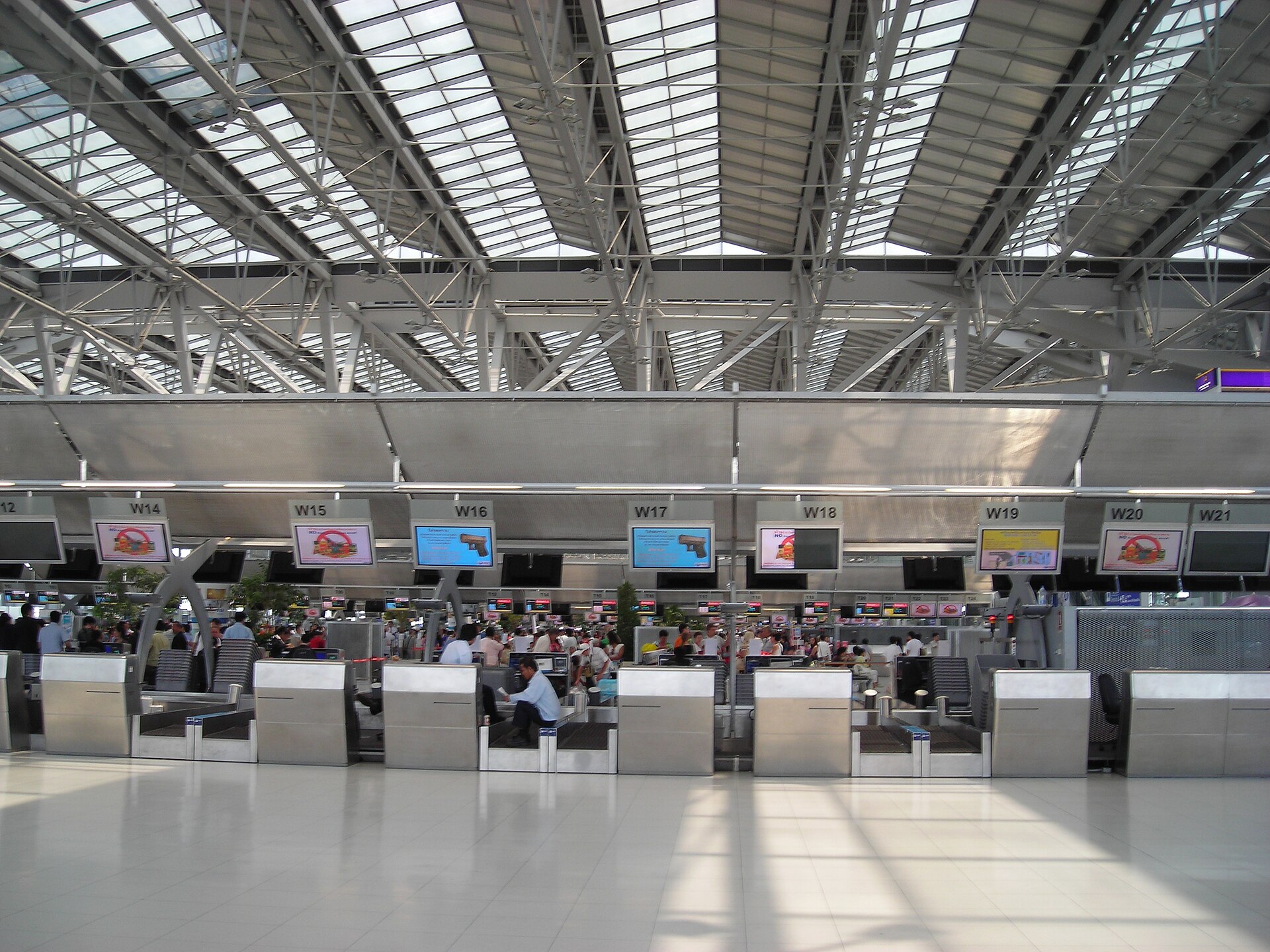
Check-in is the step where an airline confirms your identity, locks in your seat, and processes any bags you plan to place in the cargo hold. How much time it takes depends heavily on whether you have already checked in online, whether you are checking a bag, and whether your trip is domestic or international, since each of these adds or removes steps from the process. Airlines also set a cutoff before departure after which they will no longer accept checked bags or issue a boarding pass, even if the flight itself has not left, so check-in is not something to treat as flexible right up until departure. Understanding which version of this process applies to your specific ticket is the main thing that determines how smoothly it goes. Knowing which category your trip falls into before you leave home, rather than figuring it out in line, is the single biggest factor in how check-in goes for you.
What to do first
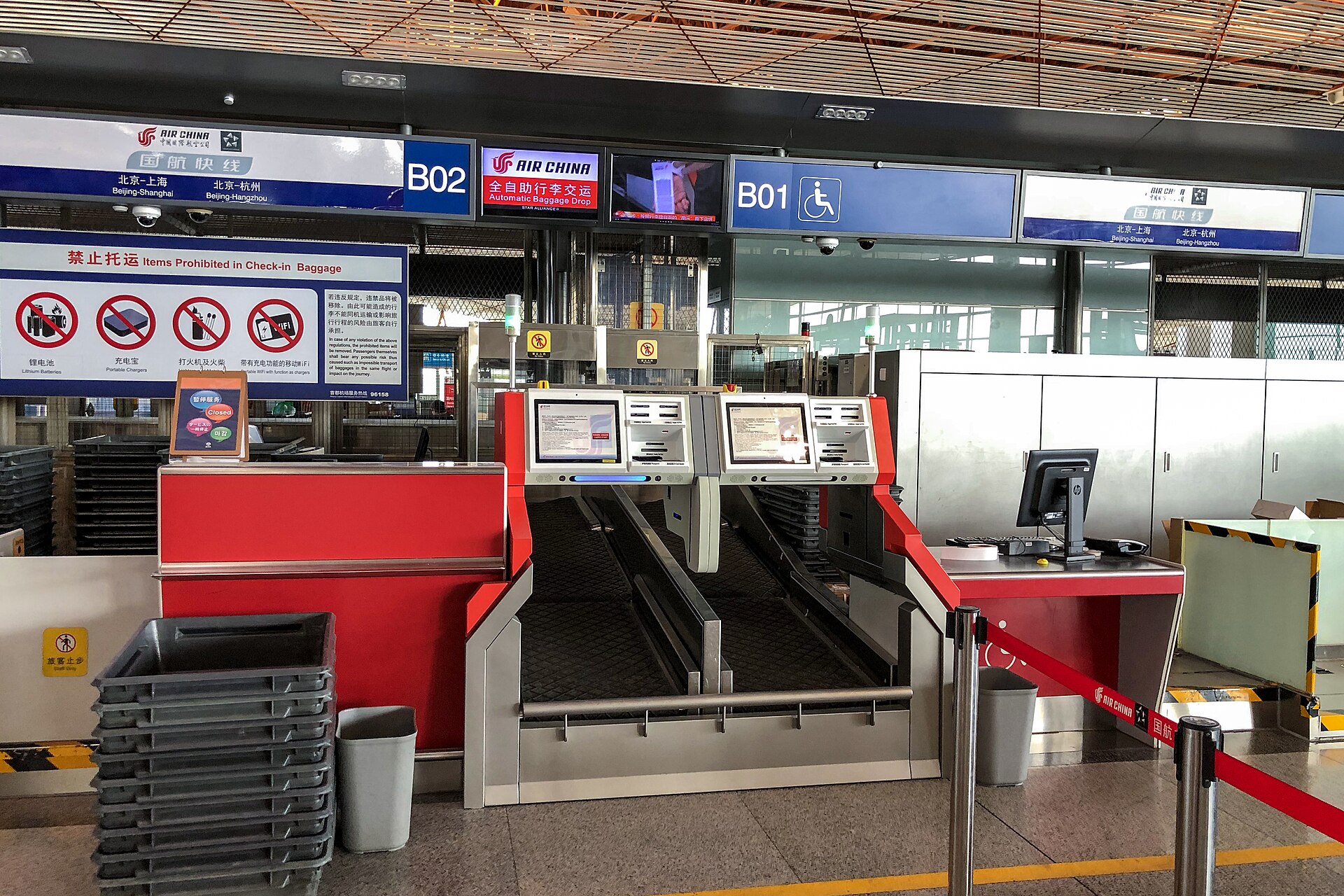
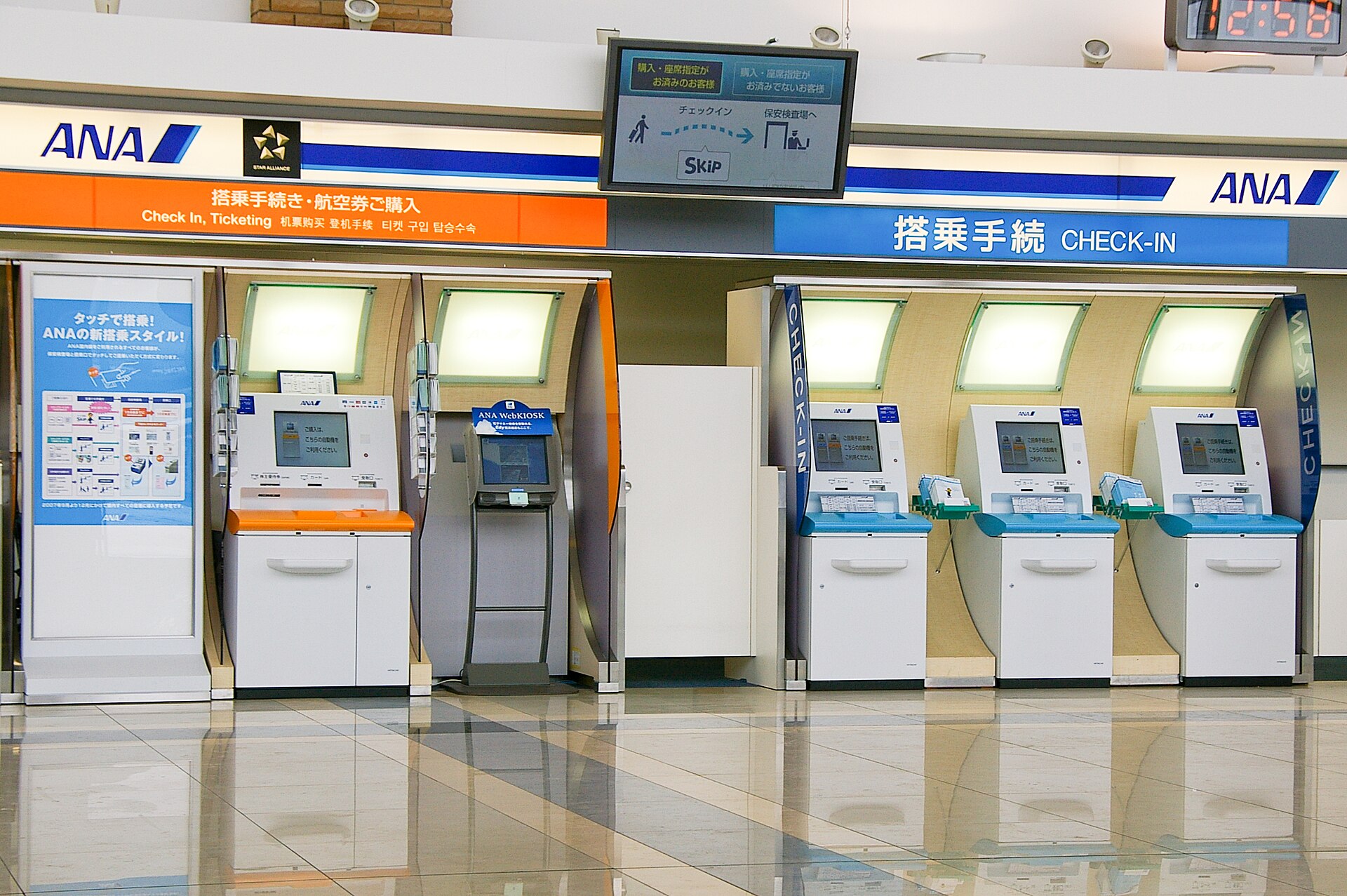
Where possible, check in online or through your airline's app during the window it opens before departure. This lets you choose or confirm a seat, enter passport details for international travel, and sometimes add baggage in advance at a lower cost than paying at the airport counter. If you have no bag to check and your documents are already verified in the system, a digital or printed boarding pass from this step may let you skip the counter entirely. If you do need to check a bag, head to a dedicated bag-drop lane if your terminal has one, since these are typically faster than a full-service counter because your check-in details are already on file. Self-service kiosks are another option, letting you print a tag yourself before handing it to a nearby staff member for a final check.
What to check
Bring an identification document appropriate to your trip, a passport for international travel or whatever your airline accepts for a domestic one, along with your booking reference or confirmation email. Check your airline's baggage allowance ahead of time, including size and weight limits, so there are no surprises when your bag hits the scale; bags that exceed the limit may need repacking between bags or an extra fee paid on the spot. For international travel, confirm your passport has enough remaining validity and that you carry any visa or entry documents your destination requires, since agents may ask about these or about onward travel plans before issuing your pass. If you are traveling with a pet, an instrument, or oversized sporting equipment, check-in is usually where these get tagged and routed, so confirm with your airline beforehand what paperwork or carriers are required. Some countries also require a specific health or customs declaration to be completed before you reach the counter, so check your airline's guidance or the destination's government site in advance rather than guessing under time pressure at the airport itself.
Useful note: Completing online check-in does not mean a checked suitcase has been accepted. Bag drop has its own closing time.
Where to get help
Counter staff can answer questions about baggage fees, seating together as a family or group, mobility assistance, or traveling with an infant, and raising these at check-in is usually easier than trying to arrange them later at the gate. If a self-service kiosk will not read your booking or print a tag, a nearby agent can usually sort it out quickly. For questions about documentation requirements for your destination, your airline's website or the destination country's official government site is a more reliable source than general guesswork, since rules differ by country and change over time. If you are unsure whether a connecting itinerary requires rechecking a bag, the check-in agent handling your first flight can usually tell you directly. If you are unsure whether your documents meet a particular country's entry rules, contacting the airline or consulate ahead of your trip is more reliable than asking at the counter on the day, when there may be little time left to fix a problem.
Keep useful records
Keep your boarding pass and identification accessible, since you will need to present them again at security and potentially at the gate. If you check a bag, hold onto the claim tag receipt until you retrieve your luggage, since it is the main reference used to trace a bag that is delayed or misrouted. Double-check that the destination printed on your bag tag matches your actual itinerary, since a longer journey with a connection can occasionally require you to collect and recheck luggage partway through rather than having it travel straight through. Saving a copy of your baggage fee receipt is also worth doing if you plan to request reimbursement from an employer or travel policy later. It is also worth noting the name and location of the counter or kiosk you used, in case you need to follow up about a baggage issue later in your journey.
Practical notes
Arrive with a comfortable buffer before your airline's posted check-in or bag-drop cutoff, since a long line, a malfunctioning kiosk, or a document question can eat into that margin faster than expected. Cutoffs vary by airline and by whether a flight is domestic or international, so confirm the specific policy for your ticket rather than assuming a standard rule applies everywhere you fly. Families and groups should flag any special requests, such as seating together, at this stage rather than waiting until boarding. Once check-in is finished, your next stop is security screening, where the focus shifts from paperwork and bags to personal screening procedures designed to keep the flight safe for everyone on board.
Related guides

First Time at an Airport: Step-by-Step Guide
Follow the airport journey from the entrance to your seat without guessing what comes next.
Read guide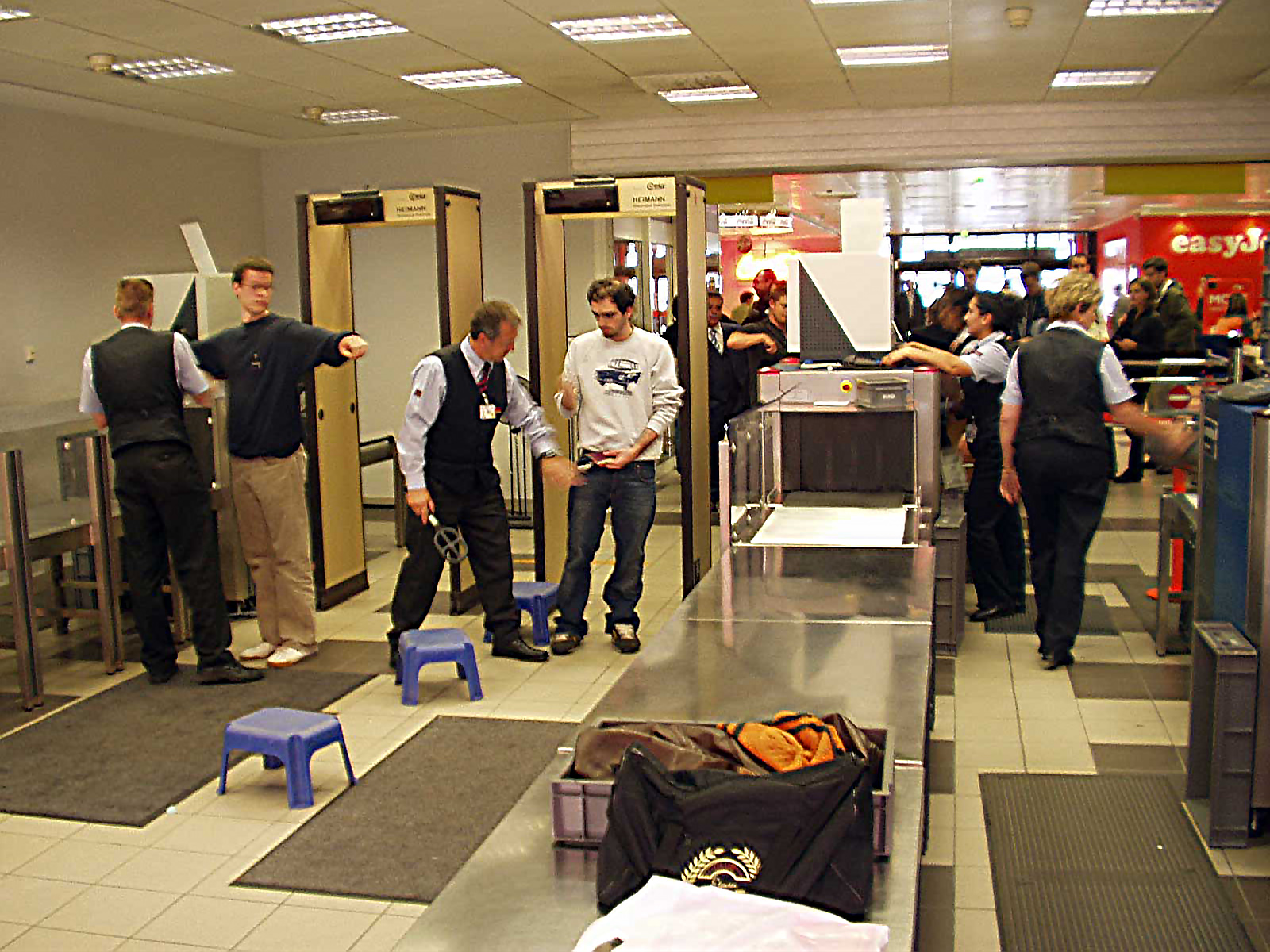
Getting Through Airport Security
Prepare your belongings, follow local instructions and leave enough time for screening.
Read guide
Finding Your Terminal and Gate
Read the signs and screens, check for changes and estimate the walk before boarding starts.
Read guide