First Time at an Airport: Step-by-Step Guide
Follow the airport journey from the entrance to your seat without guessing what comes next.
8 min read · Updated September 2026

Understand the situation
Flying for the first time means moving through a sequence of unfamiliar checkpoints in a single afternoon: arriving at the right terminal, checking in and dropping a bag if needed, clearing security, finding a gate, waiting through a boarding call, and finally locating a seat on the aircraft. None of these steps is complicated on its own, but stacking them together in one unfamiliar building is what makes the experience feel overwhelming. Airports are built around departure boards, signage, and staff whose job is to keep that flow moving, so leaning on those cues rather than guessing is the easiest way through. Most of the stress on a first trip comes from not knowing which stage you are in or how much time each one typically takes, not from any single step being genuinely difficult. Once you have done the sequence once, the layout and logic of almost any other airport starts to feel familiar, even if the building itself is new.
What to do first
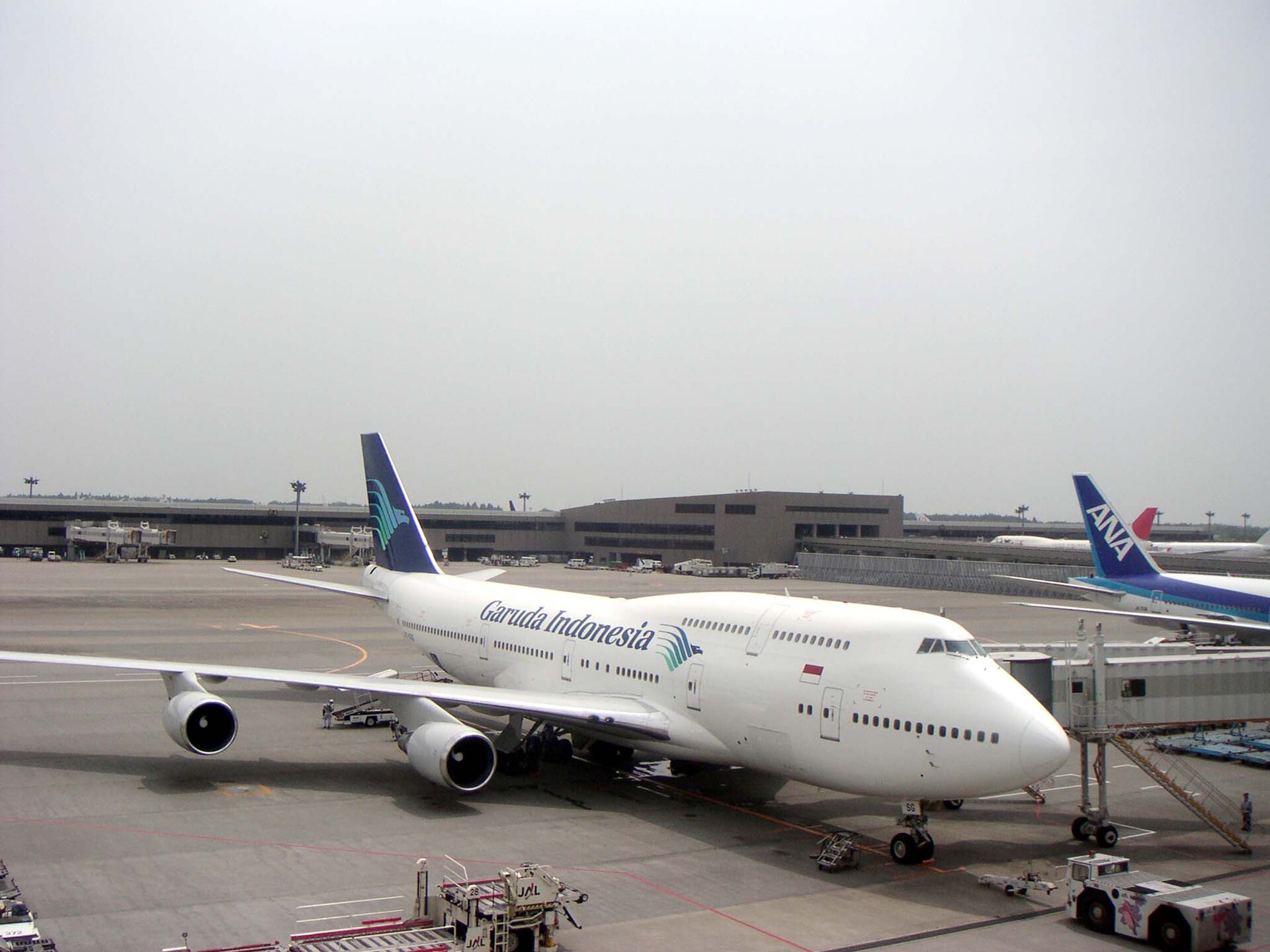
Confirm your terminal before you leave for the airport, since large airports often split airlines or regions across separate buildings that may require a long walk or a shuttle between them. If someone is dropping you off, agree on the correct curb in advance. Once inside, look up at the departure board and find your flight number; it will show the check-in area, current gate information, and whether your flight is on time. If you already checked in online and have no bag to check, you can often head straight toward security, but still glance at the board to make sure nothing has shifted. If you do need to check in or drop a bag, follow the signs to your airline's counters or kiosks, where staff will print your boarding pass and any luggage tags before sending you on toward screening. Attach tags securely and keep the receipt portion in case your bag needs tracing later.
What to check
At the security checkpoint, have your boarding pass and an identification document out before you reach the front of the line, since fumbling for them there slows everyone down. Watch how other travelers ahead of you handle laptops, jackets, and liquids if the routine is unfamiliar, since the details can vary by airport. Beyond the checkpoint, check the nearest screen for your gate number and walking distance, keeping in mind that gates can be reassigned, sometimes more than once, so a second glance before you settle in is worth it. At the gate itself, confirm the flight number and destination on the overhead display match your pass, since two flights occasionally share the same gate area at different times. When boarding starts, check the group or zone printed on your pass against what the gate screen is calling before you join the line.
Useful note: The gate's boarding deadline comes before takeoff. Be at the correct gate with your documents ready, not merely inside the terminal.
Where to get help
Airport staff near the entrance, at check-in counters, and at information desks are generally used to pointing lost first-time flyers in the right direction, so do not hesitate to ask if a sign is confusing or a hallway seems to dead-end unexpectedly. Gate agents can answer questions about boarding order or seat location once you are near the gate, and flight attendants near the aircraft door can help you figure out which direction to walk down the aisle if the row numbers are hard to spot. If a kiosk or screen is giving you trouble during check-in, a nearby staff member can usually resolve it faster than troubleshooting it yourself. Fellow travelers in line are often a useful last resort too, since many have been through the same airport before and can point you toward a corridor or lift you might otherwise miss.

Keep useful records
Hold onto your boarding pass, whether digital or printed, since you will need to show it again at security and at the gate. If you check a bag, keep the claim tag receipt until you have collected your luggage at the other end, as it is the easiest way to track a bag that gets delayed or misrouted. It is also worth taking a quick photo of your gate and seat information on the departure screen in case your phone battery becomes a concern later, and saving your airline confirmation email somewhere you can reach it without needing a signal. Jotting down your gate number on paper as a backup costs nothing and removes one more thing to worry about while you wait.
Practical notes
Give yourself more time than feels strictly necessary for your first trip, since every stage, from finding the counter to walking to a distant gate, tends to take longer than you expect. Keep your phone charged or note where charging points are near seating areas, since you may want flight updates while you wait. When boarding is called, wait for your specific group rather than crowding the desk early, since standing in line ahead of your turn rarely saves real time. Once you board, check the overhead bin letters or seatback signs to find your row, stow your bag, and settle in. Listen to the safety briefing even though it may feel routine to frequent flyers, and fasten your seatbelt low across your hips; from there, the unfamiliar part of the day is essentially behind you, and the rest is simply about settling into the rhythm of the flight.
Related guides
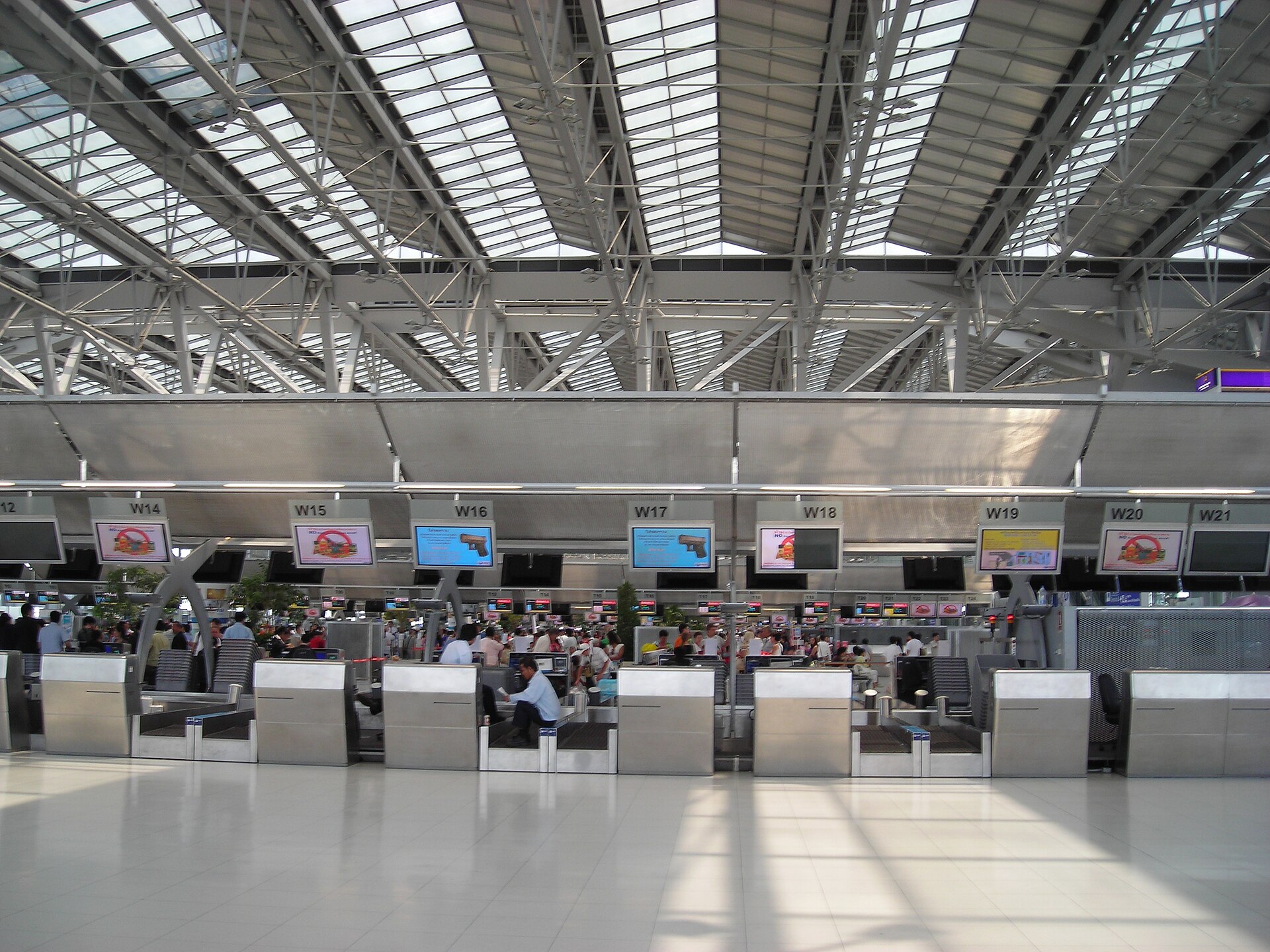
Airport Check-in and Baggage Drop
Understand desk check-in, self-service kiosks, bag drops and the documents you may need.
Read guide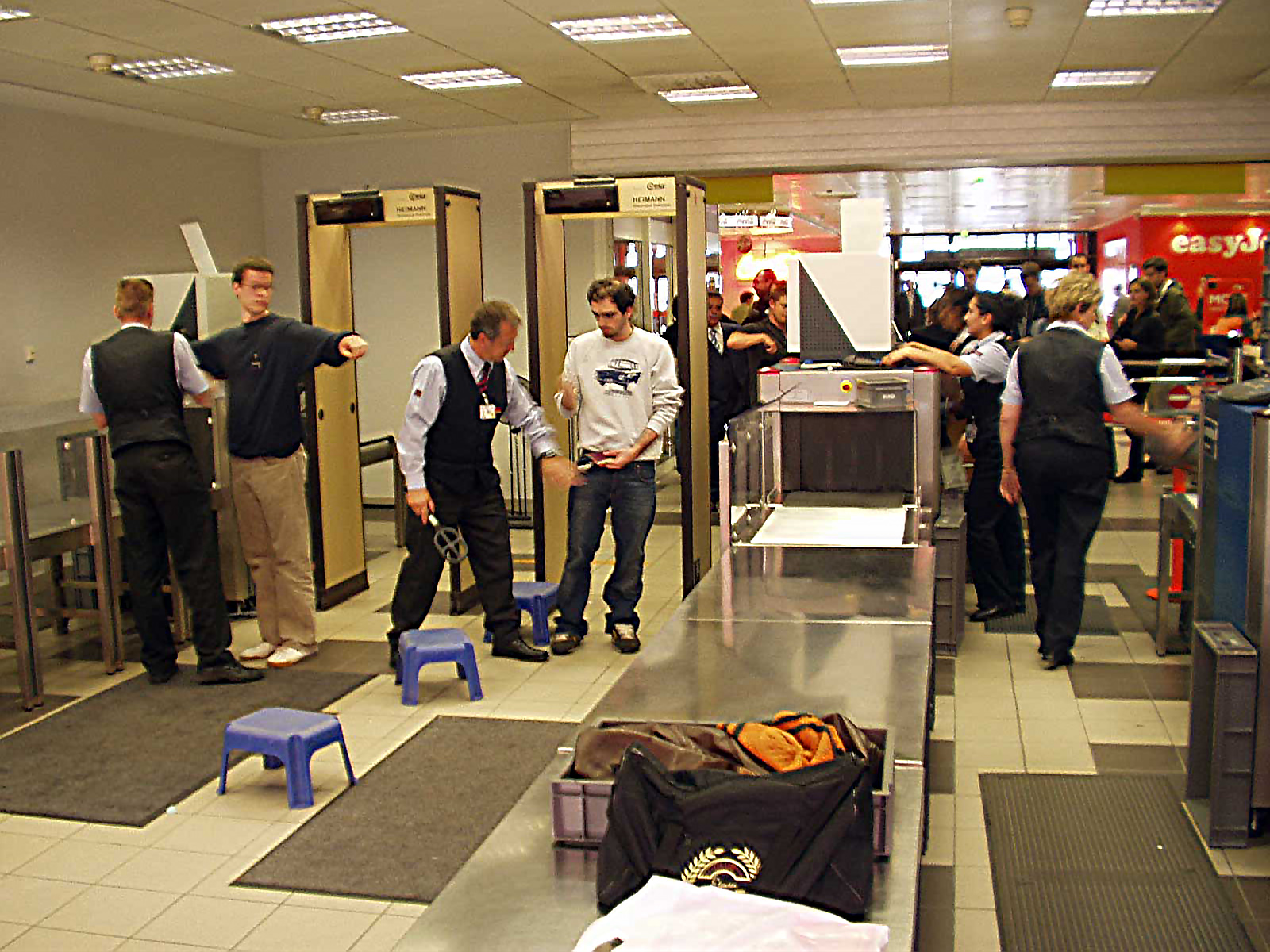
Getting Through Airport Security
Prepare your belongings, follow local instructions and leave enough time for screening.
Read guide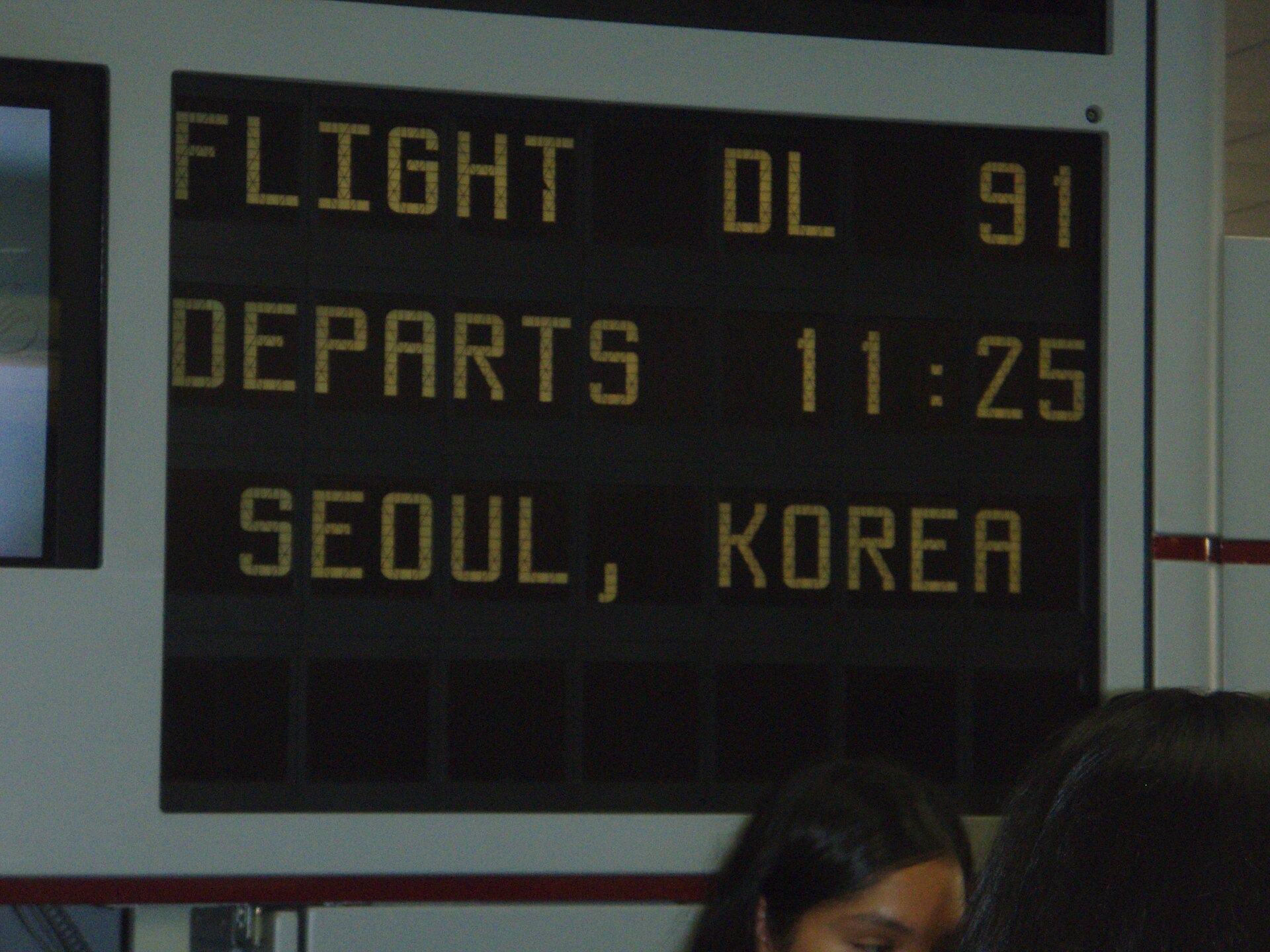
Finding Your Terminal and Gate
Read the signs and screens, check for changes and estimate the walk before boarding starts.
Read guide