Dubai International Airport Survival Guide
Manage a large 24-hour hub with long concourses, transit checks and late-night arrivals.
12 min read · Updated September 2026
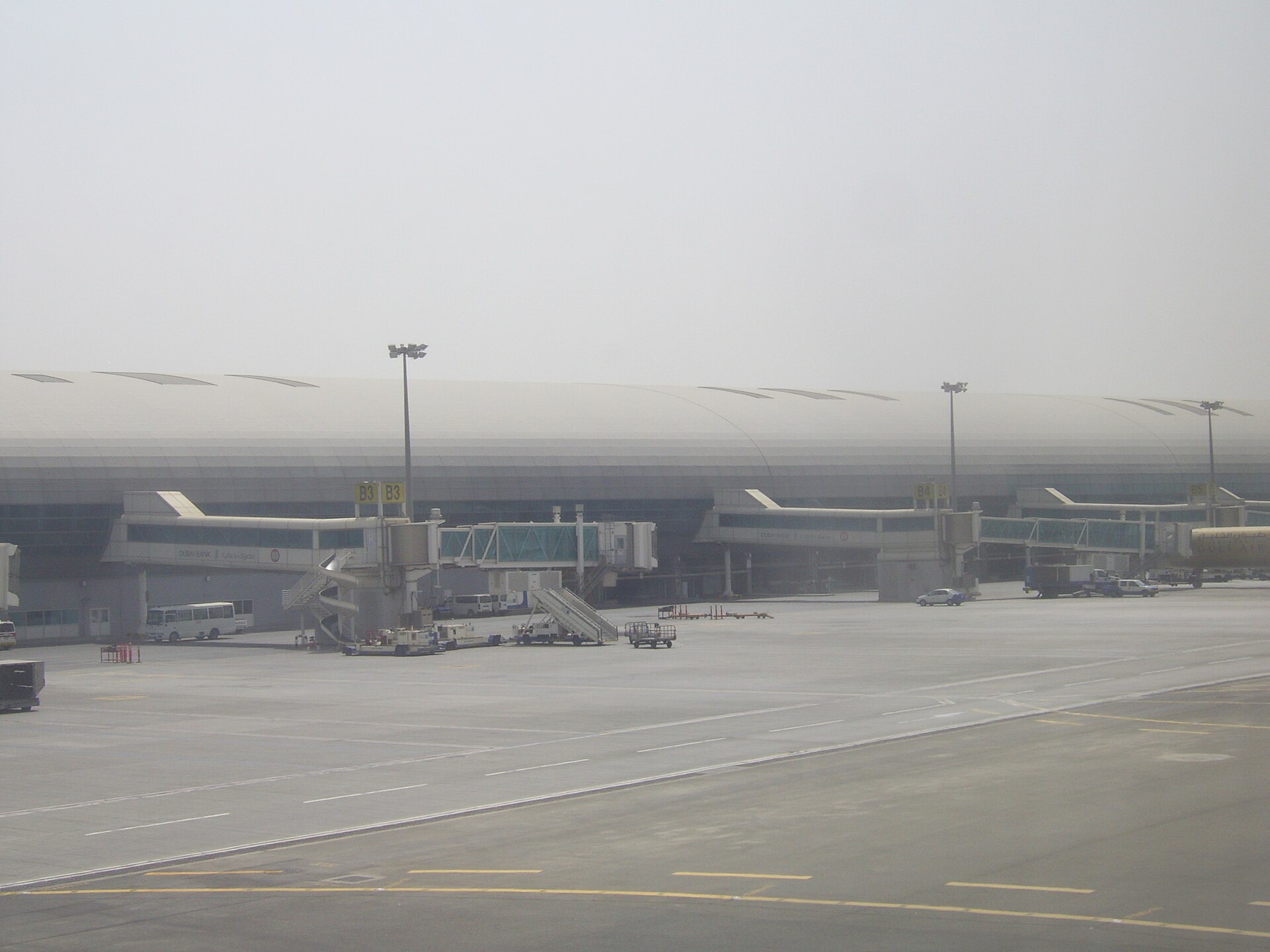
Airport overview
Dubai International Airport, often shortened to DXB, is a distinct facility from Dubai World Central, the city's other airport known as DWC, and travelers should double-check which one appears on their ticket since the two are located in different parts of the city with no shared terminal infrastructure. DXB itself is built around three terminals, each with a markedly different design and set of connections. Terminal 1 and Terminal 3 handle the bulk of international traffic, while Terminal 2 operates more independently with its own airline mix. Because the terminals differ so much in layout, it helps to think of DXB less as one continuous building and more as three distinct zones connected by a mix of trains, walkways, and shuttle buses depending on exactly where you are going.
Terminals and check-in
Check-in at DXB is organized entirely by terminal, with Terminal 1 and Terminal 3 each offering large, multi-level check-in halls serving numerous international carriers, while Terminal 2 has a smaller, more compact check-in area geared toward its specific airline partners. Self-service kiosks are increasingly common for travelers who want to skip queues, though full-service counters remain available, especially for passengers needing document checks for certain destinations. Because Terminal 2 functions quite separately from the other two, transfers to or from it typically require more deliberate planning, including airline-arranged transport, rather than a quick walk or short train ride. Always verify your terminal against your booking confirmation, since major carriers can be split across different terminals depending on the specific flight. Families and travelers with extra documentation needs should budget additional time at check-in during peak overnight banks, when DXB's halls fill quickly with connecting passengers.
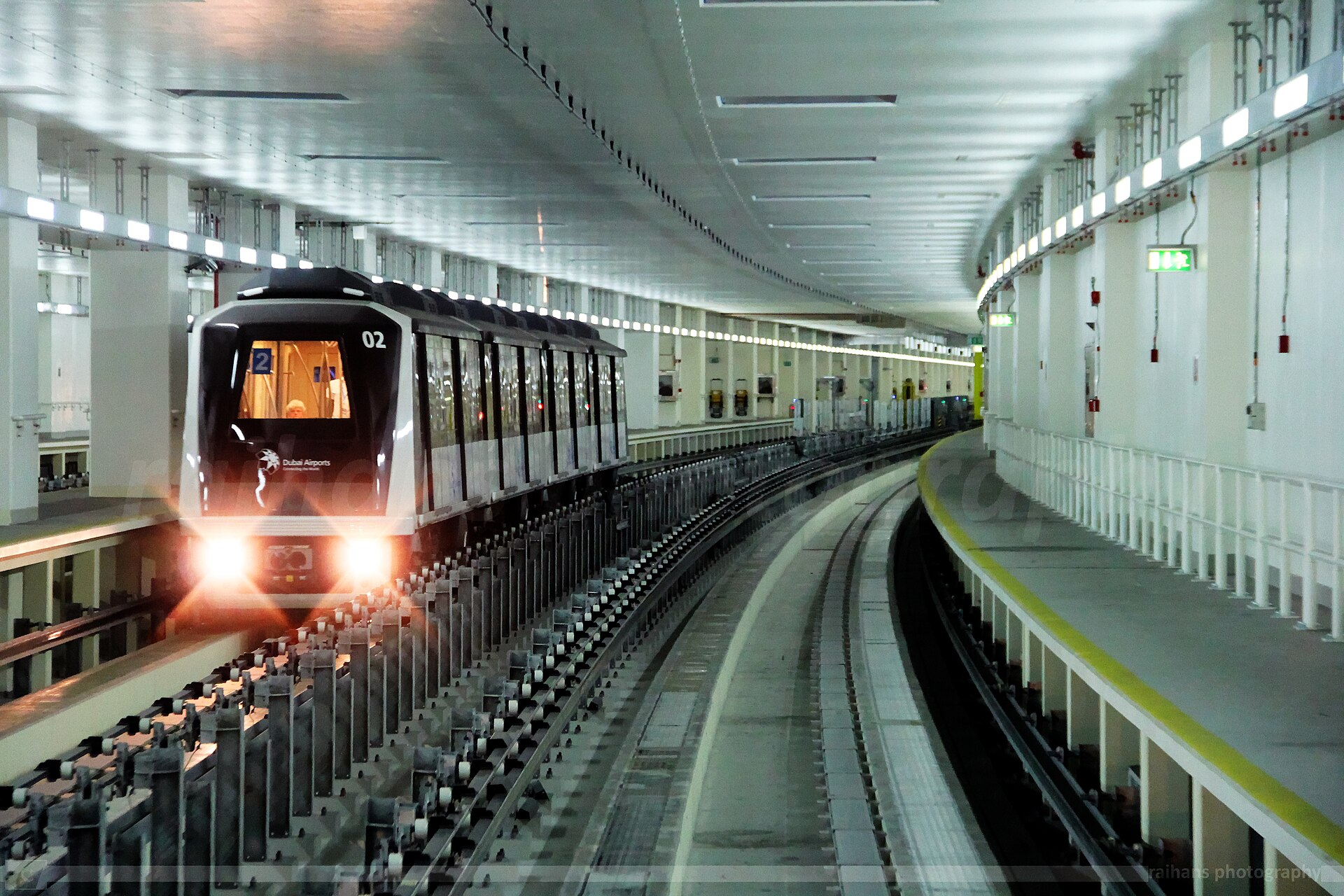
Security and finding gates
Terminal 3 uses gate areas A, B and C. Concourse A is reached by an internal train, while B and C are linked by walking routes. Follow the letter on the departure display before choosing a train platform; not every concourse can be reached simply by walking along the same corridor. Terminal 1 includes a train that links the terminal to Concourse D, but this train system should not be mistaken for a service that connects the entire airport; it specifically serves that connection rather than reaching Terminal 2 or Terminal 3. Security screening is generally arranged per terminal, and once through, electronic displays guide passengers to their specific concourse and gate, with ample time recommended given the scale of the facility, particularly for long concourse walks. Moving walkways assist with some of the longer stretches, but travelers with tight connections should still prioritize heading toward their gate promptly rather than lingering in retail areas near the checkpoint.
Useful note: DXB and DWC are different airports. Confirm the airport code before arranging a Dubai pickup or accepting a new itinerary.
Connections and baggage
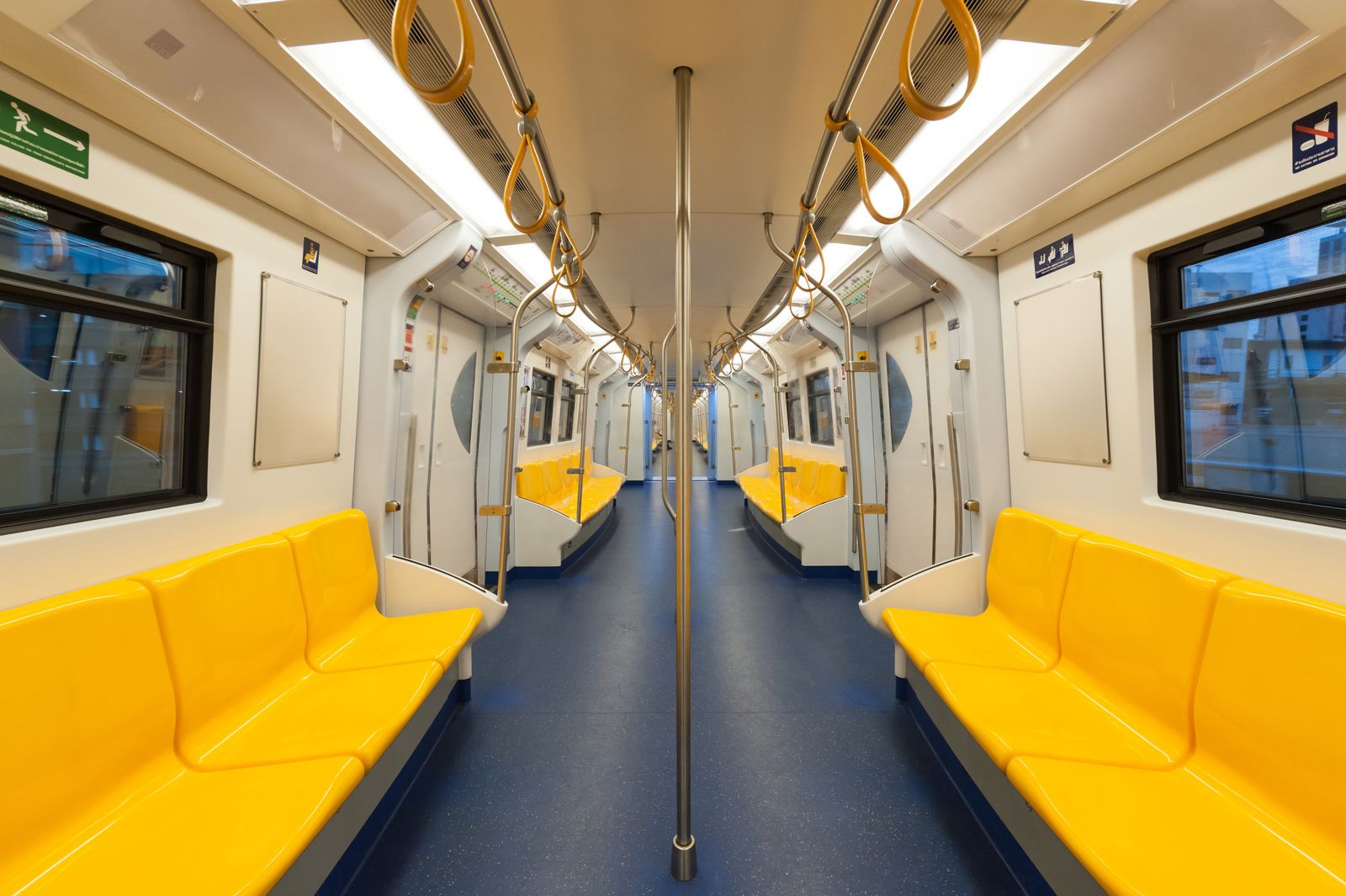
Passengers connecting within DXB should pay close attention to whether their itinerary keeps them in the same terminal or requires a terminal change, since Terminal 2 in particular often means a separate transfer arrangement coordinated by the airline rather than a simple internal walk or train ride. Dubai operates a Red Line on its metro system that serves Terminal 1 and Terminal 3, which can be useful context for ground transport planning even though it is separate from the internal terminal-to-terminal movement described above. Checked baggage is managed by the airline operating your flight, and if a bag is delayed, damaged, or missing, the baggage service counter in the arrivals area of the relevant terminal is the first point of contact, distinct from any general lost property office that handles items misplaced in public areas of the terminal rather than checked luggage issues. Keeping your baggage claim tag until you leave the airport makes any such report considerably faster to file.
Transportation and assistance
Taxis, ride-hail services, and private transfers operate from clearly marked areas outside each terminal, and the Dubai Metro's Red Line provides a rail option connecting Terminal 1 and Terminal 3 to the wider city network, though Terminal 2 relies more on road transport given its layout. Passengers needing mobility assistance or additional support should contact their airline ahead of travel, since airlines typically coordinate this service in conjunction with airport staff from curbside through check-in, security, and to the gate.
Practical traveler tips
Confirm whether you are flying from DXB or DWC well before your trip, as mistaking the two could mean arriving at the wrong airport entirely, since the drive between them is substantial and there is no quick shuttle linking the two facilities. Within DXB, verify your specific terminal and, if connecting, check whether that connection is handled by a walk, an internal train, or an airline shuttle, since these differ by terminal and even by concourse. Allow generous time for Terminal 3's larger concourses and for any Terminal 2 transfers. For current terminal maps and transfer details, the official Dubai Airports website is a dependable resource to consult shortly before departure.
Related guides
JFK Airport Survival Guide
Navigate New York JFK terminals, connections, ground transport and long walking times.
Read guide
Heathrow Airport Survival Guide
Plan around separate terminals, security checks, transfer routes and London transport.
Read guide
Singapore Changi Airport Survival Guide
Understand Changi terminals, transfer options, amenities and onward transport.
Read guide