Heathrow Airport Survival Guide
Plan around separate terminals, security checks, transfer routes and London transport.
12 min read · Updated September 2026
Airport overview
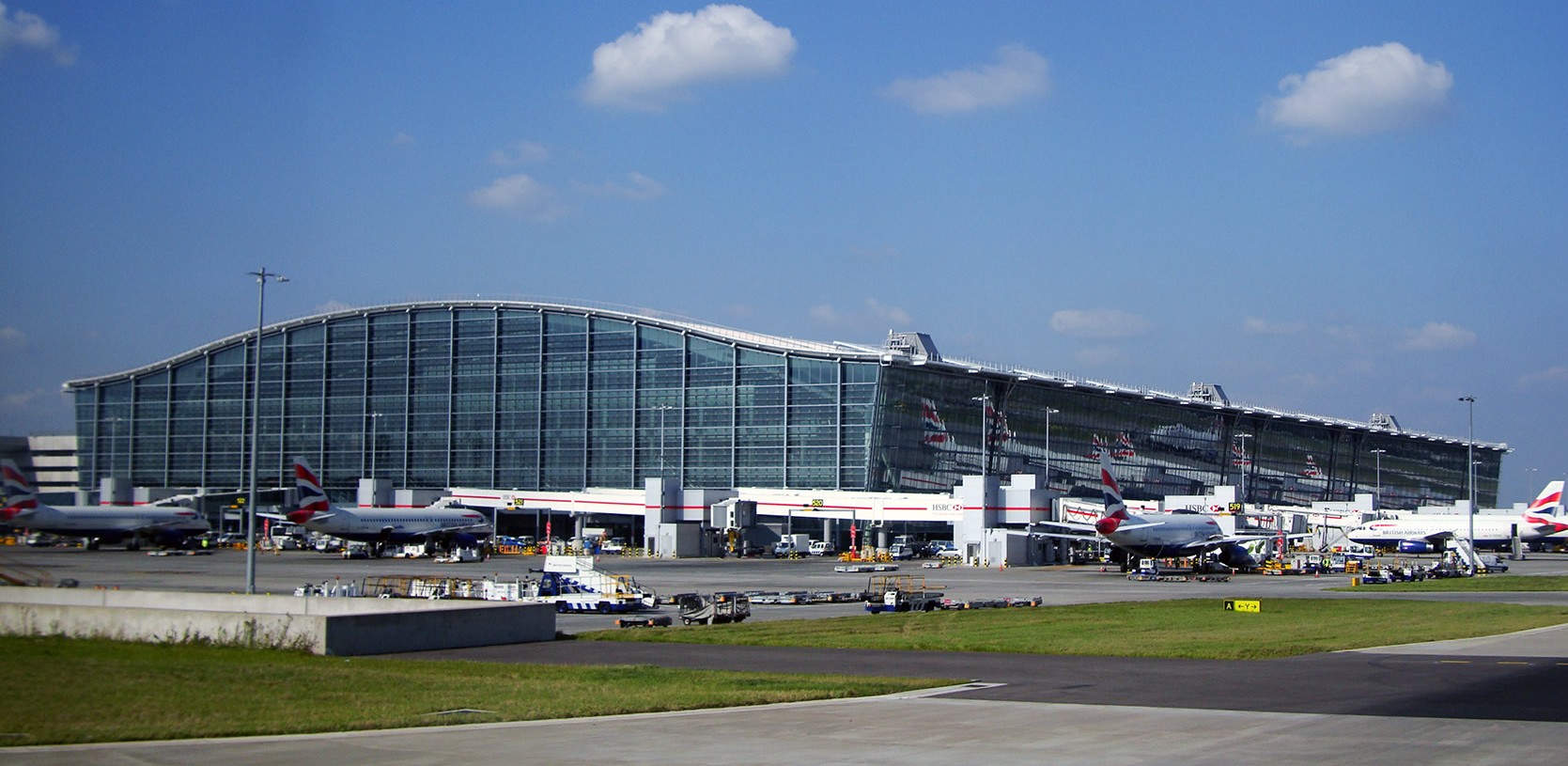
Heathrow Airport, west of central London, is arranged across four active terminals, and understanding their layout saves considerable time. Terminals 2 and 3 sit close together in a central area, while Terminal 4 and Terminal 5 stand apart as separate buildings with their own access roads, car parks, and rail connections. This physical separation matters because moving between the central terminals and either Terminal 4 or Terminal 5 is not a quick walk, and travelers should treat each terminal as a distinct zone of the airport requiring dedicated transport. Heathrow is one of the world's busiest hubs for long-haul connections, and its alliance-based terminal assignments mean that airlines within the same alliance often, but not always, share a terminal, so verifying your specific terminal remains essential regardless of which airline group you are flying with.
Terminals and check-in
Check-in at Heathrow is organized by terminal and, within Terminal 2 and Terminal 3, by zones dedicated to particular airlines or alliances. Self-service kiosks and bag-drop points are common across the terminals, reducing time spent at traditional desks for passengers who have already checked in online. Terminal 5 has its own large check-in building and satellite gate areas, while Terminal 4 is another separate terminal with its own airline counters. Airline allocations are not a substitute for checking the terminal shown for your particular flight. Because Terminals 2 and 3 are close together but still separate buildings, it is worth confirming exactly which one your flight departs from rather than assuming based on alliance membership alone, since allocations can change. Arriving at the wrong central terminal still means navigating back through the connecting walkways or transport links, costing valuable time before a flight.
Security and finding gates
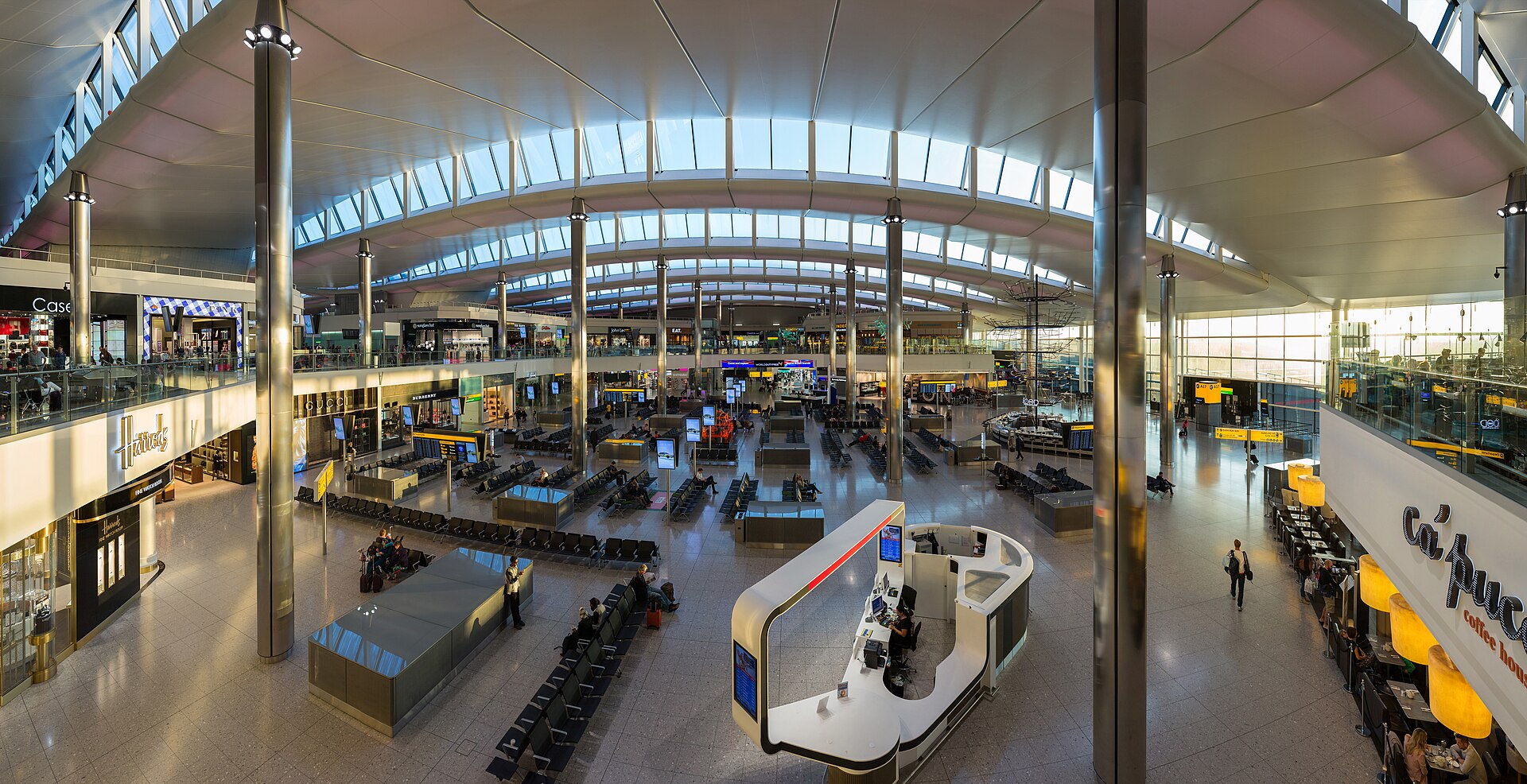
After checking in, passengers proceed to terminal-specific security screening, and once through, gates are distributed along piers that extend from the main terminal building. Heathrow uses purple-liveried Flight Connections buses for certain airside transfers between terminals, allowing passengers with onward connections to move without exiting back through immigration, though this routing depends on your specific itinerary and should be confirmed with your airline or on-site signage. These airside transfers still typically involve an additional screening step, so allow time accordingly. Gate announcements often appear relatively late at Heathrow compared to some other airports, so keeping an eye on the departure boards near your terminal's central area, rather than wandering far from them, helps you respond quickly once your gate is posted.
Useful note: Purple Flight Connections signs lead connecting passengers through Heathrow's transfer process; they are not the route into central London.
Connections and baggage
Connecting through Heathrow can mean either a straightforward airside transfer within the same terminal or a more involved journey between terminals using the purple Flight Connections buses or, in some cases, a landside rail transfer. If a landside transfer is required, you will pass back through security, so it is important to keep your boarding pass accessible and verify which type of ticket or transfer documentation your airline requires for that leg. Checked baggage on a single ticket is generally transferred automatically between connecting flights, but delays or mishandling should be reported directly to your airline's baggage service desk in the arrivals hall, which is separate from Heathrow's general lost property service that handles items misplaced elsewhere in the terminal rather than issues with checked luggage. Items left at a security checkpoint are handled through a different process than either of these, so ask airport staff where to direct that particular inquiry.
Transportation and assistance
The Piccadilly line, Elizabeth line and Heathrow Express link the airport with London. Piccadilly services reach the central Terminals 2 and 3 station and the separate T4 and T5 stations, but trains follow different terminal branches, so read the destination display. Elizabeth line services also serve the airport's terminal stations; check which branch your train uses. Heathrow Express links Paddington with Terminals 2 and 3 and continues to Terminal 5, rather than serving T4 directly. Landside terminal transfers by rail have their own ticket or transfer requirements: consult Heathrow's current guidance rather than assuming any London ticket covers them. Coaches use terminal-specific stops or the central bus station. For assistance, contact your airline ahead of time and confirm where to meet the airport team.
Practical traveler tips
Given Heathrow's spread-out terminal layout, confirm your terminal as early as possible and build extra time into your schedule if you are connecting between Terminal 5 or Terminal 4 and the central terminals. Keep your boarding pass handy for any airside or landside transfer checks, and check the gate letter before leaving the main departure lounge. Terminal 5's B and C gates are in satellite buildings reached by the internal transit system; a visit to those areas is not the same journey as changing to another Heathrow terminal. For step-by-step transfer guidance and live terminal maps, Heathrow's official airport website is a reliable source worth checking before you travel, particularly if your itinerary involves an unusual terminal combination.
Related guides
JFK Airport Survival Guide
Navigate New York JFK terminals, connections, ground transport and long walking times.
Read guide
Dubai International Airport Survival Guide
Manage a large 24-hour hub with long concourses, transit checks and late-night arrivals.
Read guide
Singapore Changi Airport Survival Guide
Understand Changi terminals, transfer options, amenities and onward transport.
Read guide