JFK Airport Survival Guide
Navigate New York JFK terminals, connections, ground transport and long walking times.
12 min read · Updated September 2026
Airport overview
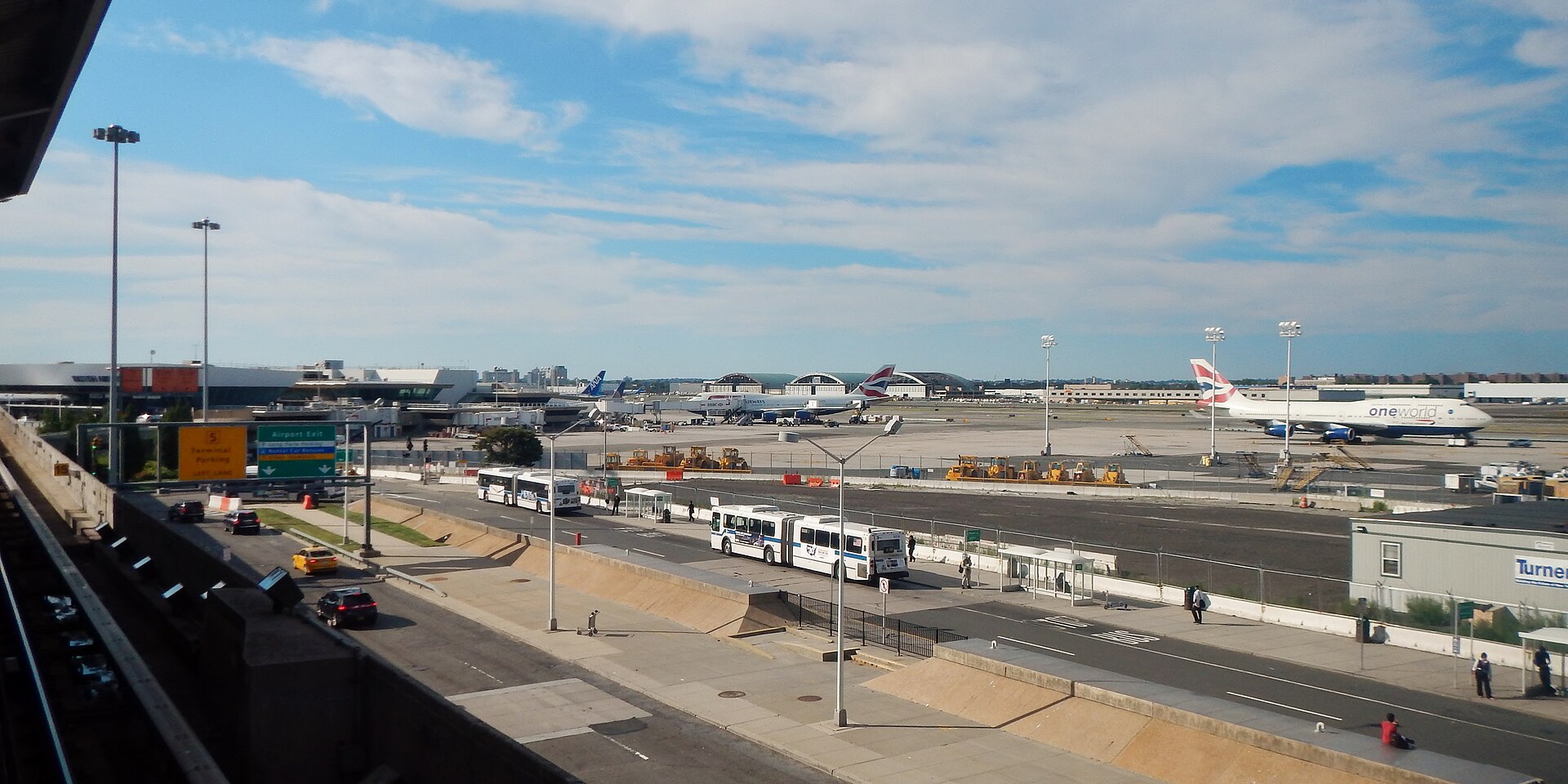
John F. Kennedy International Airport sits on the edge of Jamaica Bay in Queens, serving as one of the busiest international gateways on the East Coast. Unlike many hub airports that organize concourses by letter, JFK's terminals are identified by number, and each one functions as a largely separate building with its own curbside, check-in hall, and security checkpoint. Travelers moving between terminals cannot simply walk through a connected corridor the way they might at a single-terminal facility; instead, the terminals are spread around a loop road and linked by the AirTrain JFK system. Because the terminals operate almost independently, it pays to confirm exactly which numbered terminal your airline uses before you leave for the airport, since drop-off points, parking garages, and signage are all organized around that number rather than a shared concourse. Construction projects over recent years have shifted some airlines between terminals, so double-checking your boarding pass or airline confirmation against the terminal number is a simple step that avoids confusion on arrival day.
Terminals and check-in
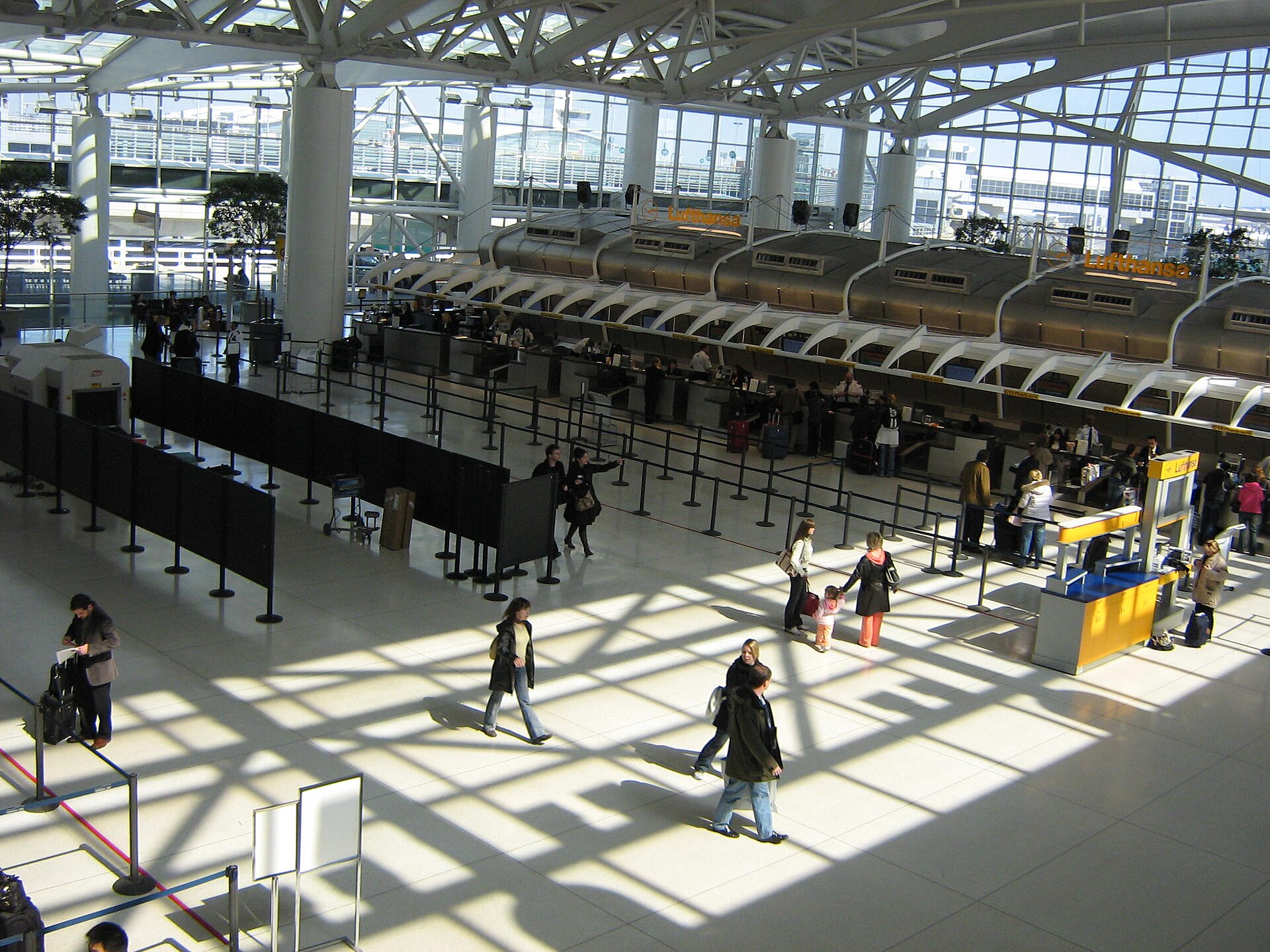
Each JFK terminal has its own check-in hall with ticket counters and self-service kiosks dedicated to the airlines that operate from that building. Because the terminals are physically distinct, there is no central check-in area shared across the airport, so arriving at the wrong terminal can mean a time-consuming trip back through the AirTrain loop. Most airlines open check-in counters a few hours before departure, and kiosks typically allow travelers with only carry-on bags to move quickly to the security line. Baggage drop counters are located within the same check-in hall, usually just past the ticketing counters, and are staffed separately from full-service check-in desks for passengers who have already checked in online. If you are flying with a partner airline or on a codeshare ticket, it is worth confirming which terminal actually handles that flight, since the operating carrier rather than the ticketing carrier determines the building you need.
Security and finding gates
Security screening at JFK is conducted individually within each terminal rather than through one shared checkpoint for the whole airport, which means your boarding pass and terminal number determine exactly where you need to queue. After clearing the checkpoint, gates are organized along the concourses of that specific terminal, with signage directing passengers toward gate clusters and amenities such as lounges, dining, and shops. Wait times at checkpoints can vary noticeably by terminal and time of day, so allowing extra buffer time, particularly during peak departure banks in the morning and early evening, helps avoid a rushed walk to the gate. If you have a tight connection within JFK, remember that reaching a different terminal after security typically requires exiting and using the AirTrain, since airside walking paths between terminals are limited.
Useful note: JFK terminal construction can alter road and AirTrain access. Check the airport's current advisories before planning a terminal change.
Connections and baggage
Passengers connecting through JFK should plan for the fact that a connection often means leaving one terminal building entirely and traveling to another via the AirTrain JFK, which circles the airport and stops at every terminal plus the parking and transit hubs. This is different from airports where you can connect within one continuous building, so building in time for the AirTrain ride and a second security screening is essential. If your original airline checked your bags through to a final destination, baggage typically transfers automatically between flights on the same ticket, but it is wise to confirm this with the airline at check-in. If a bag goes missing or is damaged, the airline you flew with handles that claim through its own baggage service desk in the arrivals area, while items left behind at a security checkpoint are managed by the Transportation Security Administration rather than the airline. Anything else lost elsewhere in the terminal, such as in a restaurant or seating area, falls under the airport's separate lost and found office, which operates independently from both the airline desks and TSA.
Transportation and assistance
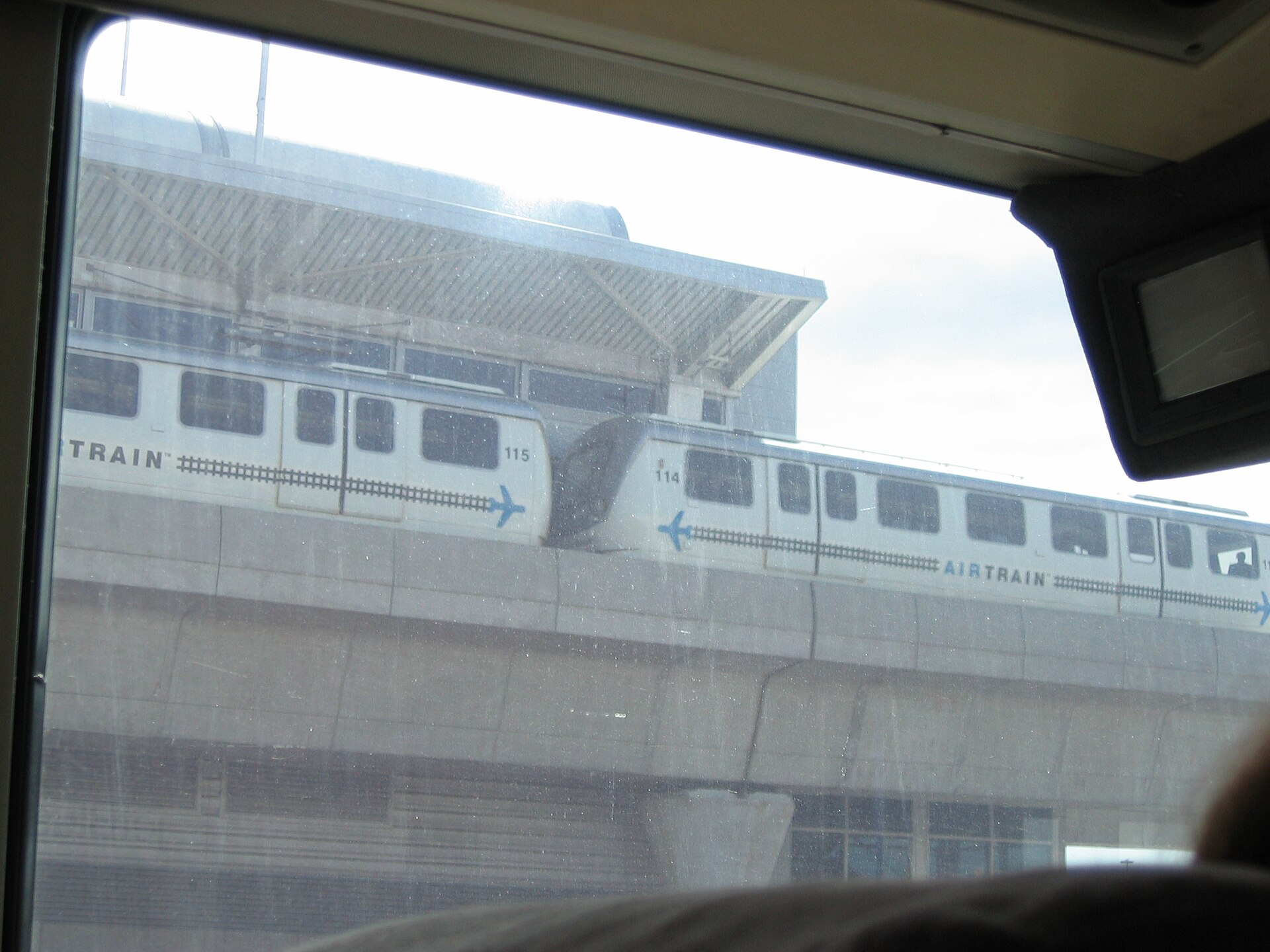
Getting to and from JFK by public transit usually means the AirTrain JFK, which connects every terminal to two rail options at Jamaica Station and Howard Beach. From Jamaica Station, travelers can reach the Long Island Rail Road or the E, J, and Z subway lines into Manhattan and beyond, while Howard Beach connects to the A subway line. Taxis, ride-hail pickup zones, and shuttle buses operate from designated curbside areas at each terminal, clearly marked with signage. Passengers needing mobility assistance should contact their airline in advance, since airlines coordinate wheelchair service and accessible transport from curbside through security and to the gate, working alongside airport accessibility staff for anything beyond the airline's own scope.
Practical traveler tips
Because JFK's terminals function as separate buildings, the single most useful habit is confirming your terminal number well before travel and watching for last-minute gate or terminal changes, especially during construction periods. Allow extra time for the AirTrain if you are connecting or if your terminal is farther from where you are dropped off. Keep essential documents and electronics easily accessible for separate terminal-specific security lines, and note that food and shopping options differ by terminal, so research ahead if you have dietary preferences or want a particular restaurant. For the most current terminal maps, construction notices, and transit schedules, it is worth checking the official airport website shortly before your trip, since details can shift with ongoing renovation work.
Related guides
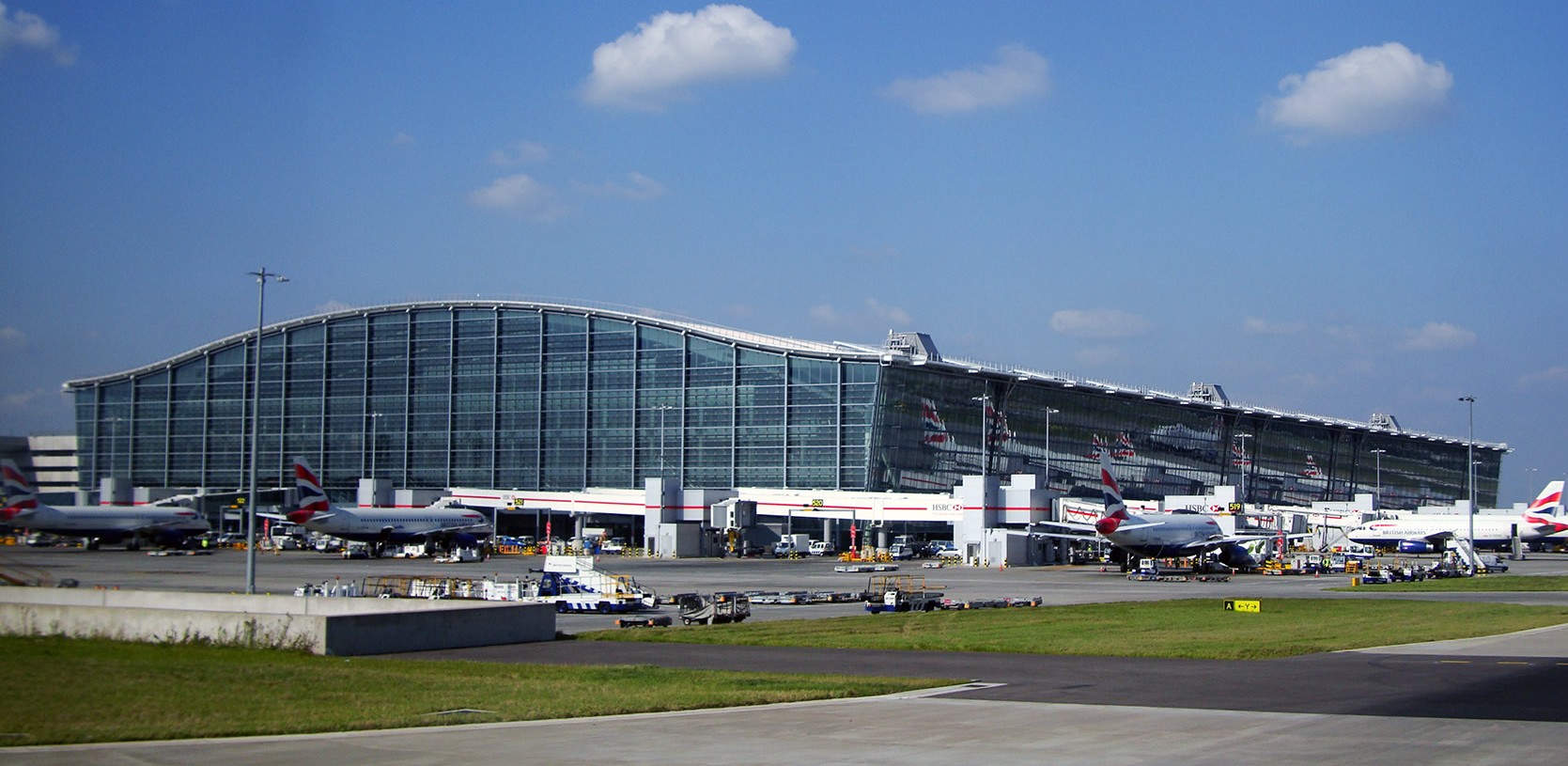
Heathrow Airport Survival Guide
Plan around separate terminals, security checks, transfer routes and London transport.
Read guide
Dubai International Airport Survival Guide
Manage a large 24-hour hub with long concourses, transit checks and late-night arrivals.
Read guide
Singapore Changi Airport Survival Guide
Understand Changi terminals, transfer options, amenities and onward transport.
Read guide