Barcelona Airport Survival Guide
Work out whether you need Terminal 1 or 2 and plan transport into the city.
12 min read · Updated September 2026
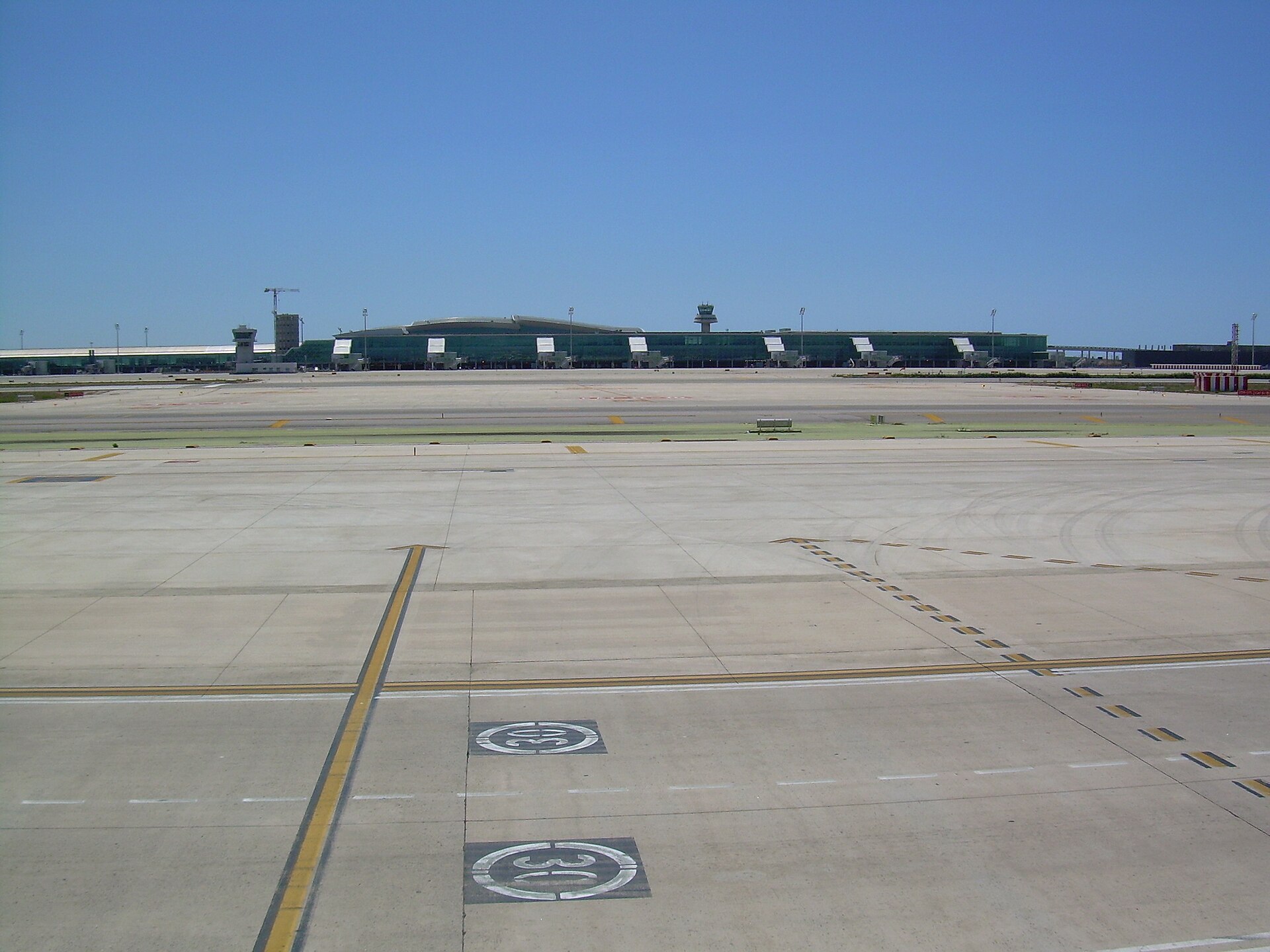
Airport overview
Barcelona-El Prat Airport is divided into two main terminal areas, Terminal 1 and Terminal 2, with Terminal 2 further split into sections A, B, and C that once functioned as separate older terminal buildings. A free shuttle bus connects the landside areas of Terminal 1 and Terminal 2, making it possible to move between them without a taxi or rail journey, though the ride still takes meaningful time, so it should be factored into connection planning. Within the terminals, passport control areas are arranged to separate Schengen and non-Schengen flows, which matters for both arriving and departing passengers depending on where their flight originates or is headed, so pay attention to signage distinguishing these zones rather than assuming free movement throughout the terminal, since the permitted route depends on the arrival and departure areas and may involve a border check or further screening.
Terminals and check-in
Terminal 1, the newer and larger of the two, houses a wide check-in hall with counters and kiosks for most major international carriers, while Terminal 2's sections A, B, and C each retain check-in areas reflecting their earlier life as independent terminals, meaning the experience can feel more compact and dated compared to Terminal 1. Low-cost carriers are frequently based in Terminal 2, so budget travelers should expect a different layout and generally fewer amenities than in Terminal 1. Confirming which Terminal 2 section your airline uses, rather than just the terminal number, helps avoid extra walking within what is actually a fairly spread out building complex, because the correct check-in zone and the route to it depend on your airline. Follow the airport map for pedestrian connections between T2 areas rather than treating the letter as a boarding gate.
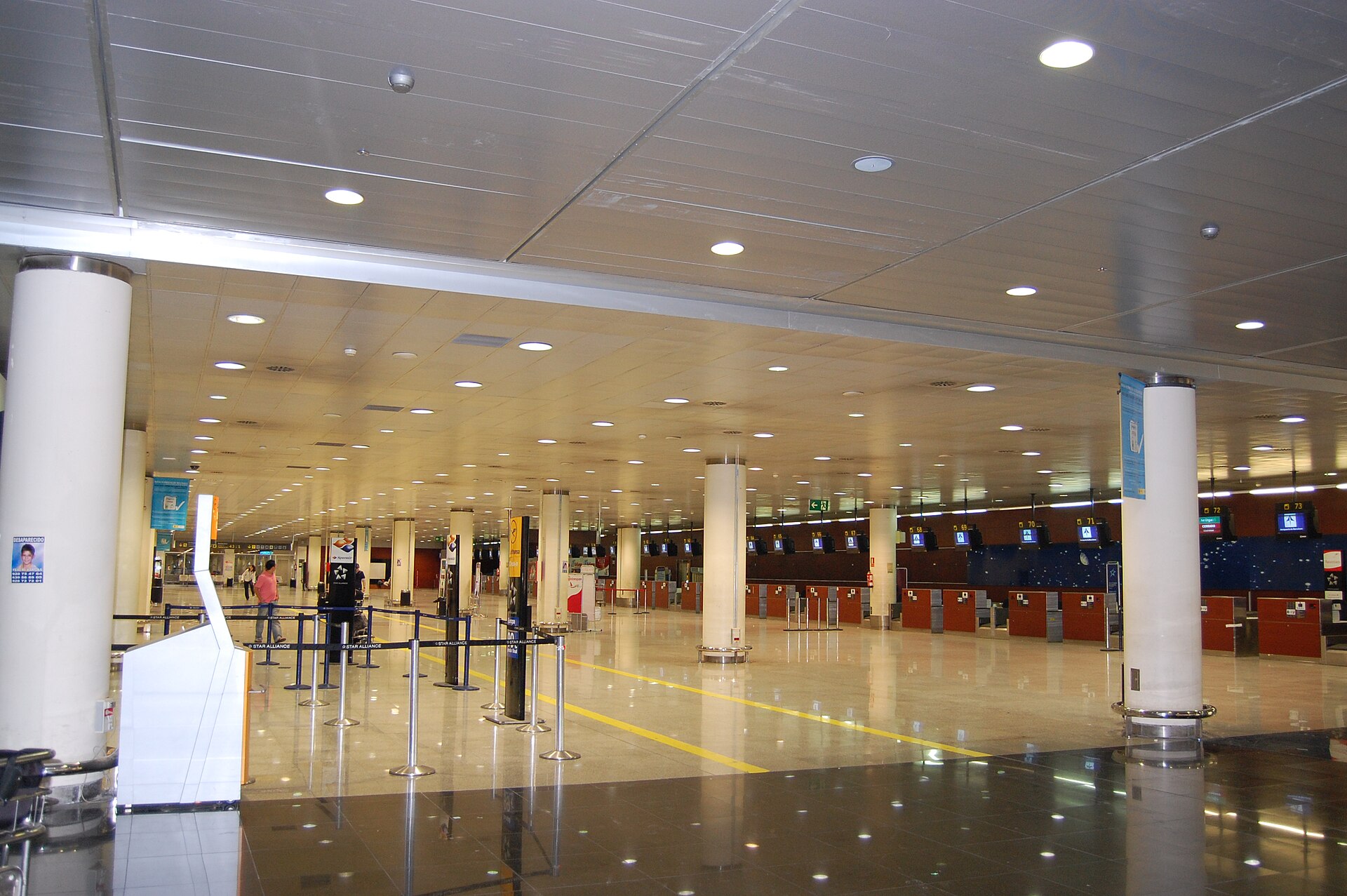
Security and finding gates
After check-in, passengers proceed to terminal-specific security screening before following the route for their departure gates. Flights outside the Schengen area also involve passport control; Schengen membership, not simply EU membership, determines this border distinction. Once past these checks, gates are distributed along the concourses of whichever terminal and section you are in, with signage indicating distances that can be longer in Terminal 1 given its scale. Keeping boarding passes and passports accessible through this sequence of checks speeds up the overall process, particularly during busy periods when both Schengen and non-Schengen flights are departing close together and queues can lengthen quickly near shared checkpoint entrances.
Useful note: Barcelona's airport railway station is at T2. Travelers using T1 need the terminal shuttle if they choose the R2 Nord train.
Connections and baggage
Travelers connecting between Terminal 1 and Terminal 2 must use the landside shuttle bus, since there is no airside walking route between the two terminal areas, meaning a connection across terminals effectively requires re-entering the landside zone and going back through security at the new terminal. This differs from a same-terminal connection, which can often be completed airside without this extra step. Checked baggage transferred on a single ticket is typically handled automatically by the airline, but any problem with lost, delayed, or damaged luggage should be directed to the baggage service desk in the arrivals area of the terminal where you landed, which is a separate function from the airport's general lost property office covering items misplaced in public spaces rather than checked bags, and having your tag number ready speeds up either inquiry considerably.
Transportation and assistance
The R2 Nord railway station is at Terminal 2, with trains linking the airport to Barcelona Sants and Passeig de Gràcia. Passengers arriving at T1 need the inter-terminal shuttle to use that railway station. The L9 Sud metro line also serves the airport, connecting both terminals and offering interchange opportunities with other metro lines for onward travel across the city, which can be especially convenient for travelers headed to neighborhoods away from the main rail corridor. The Aerobus service, with A1 serving T1 and A2 serving T2, provides a direct bus connection into central Barcelona as an alternative to rail. Passengers requiring mobility assistance can request support through their airline, which works alongside the airport's accessibility program, often referenced locally as Sin Barreras, to coordinate help from arrival at the terminal through to boarding.
Practical traveler tips
Because Barcelona's airport spans two terminal areas with a free shuttle rather than a direct airside link, allow extra time for any terminal change, especially if your connection is tight. Pay attention to Schengen versus non-Schengen signage at passport control, since this affects your route through the terminal regardless of which building you are in. If choosing between rail options, the R2 Nord and L9 Sud serve somewhat different parts of the city, so picking based on your final destination can save time, and comparing interchange points for your hotel or next stop is worth a quick look before you board. For current shuttle schedules, terminal maps, and transport updates, the official Aena airport website is a useful resource to check shortly before you travel.
Related guides
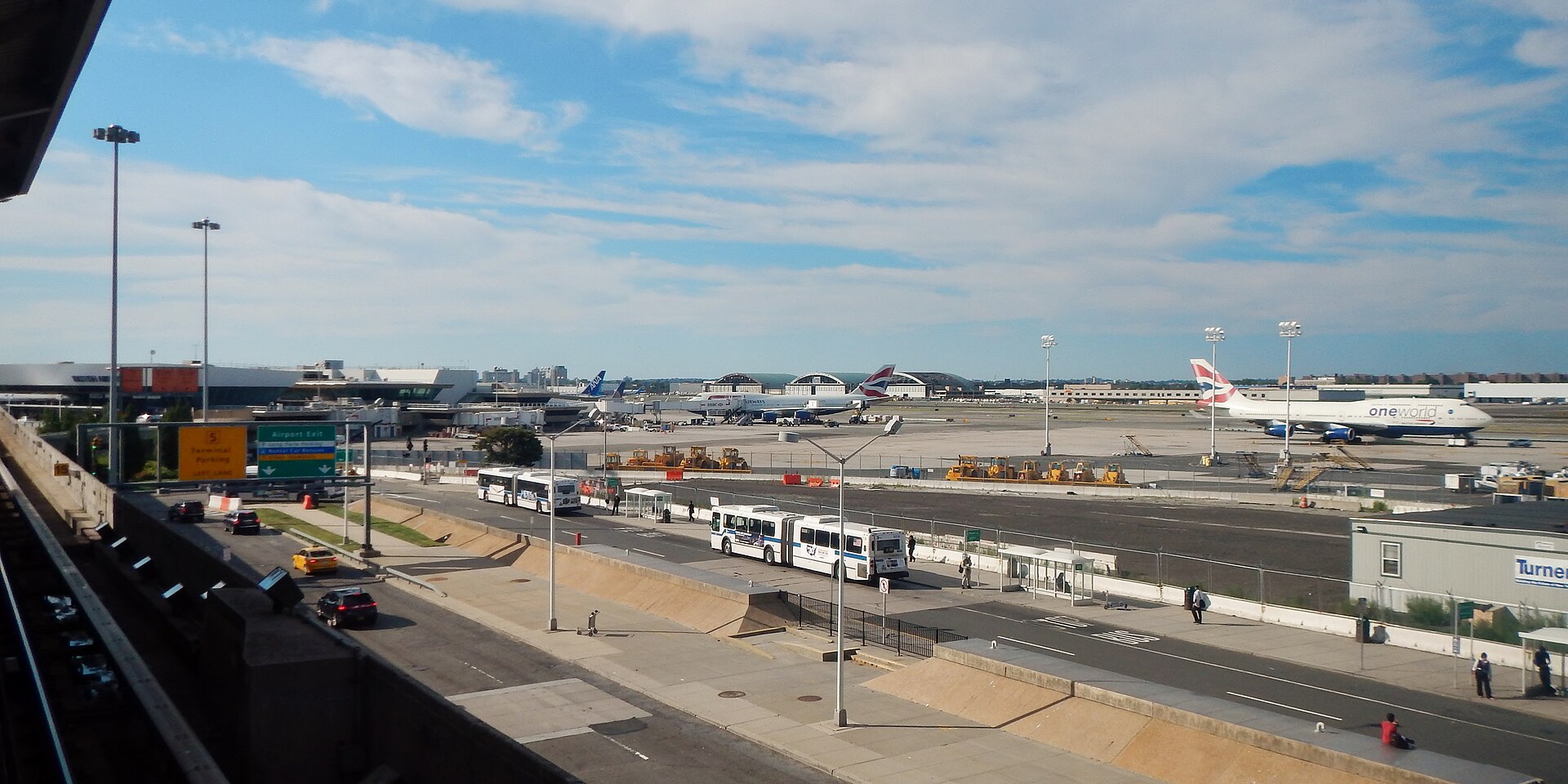
JFK Airport Survival Guide
Navigate New York JFK terminals, connections, ground transport and long walking times.
Read guide
Heathrow Airport Survival Guide
Plan around separate terminals, security checks, transfer routes and London transport.
Read guide
Dubai International Airport Survival Guide
Manage a large 24-hour hub with long concourses, transit checks and late-night arrivals.
Read guide