Before Leaving for the Airport Checklist
A final check of documents, timing, transport, baggage and flight status.
8 min read · Updated September 2026
Documents and booking
Before you leave the house, open the airline app and confirm the departure time has not shifted since you last checked, since schedules can shift between booking and departure regardless of time of day. Match the name on your booking to the name on your passport or ID as closely as you can, because a meaningful mismatch at check-in can cause delay; minor formatting differences are often tolerated but check with your airline if you are unsure. Print or save the boarding pass in two places, such as a screenshot and a saved email, so a dead phone battery does not strand you at the door. If the trip includes a hotel, rental car or tour booked separately from the flight, note that confirmation number too, since an early flight change can ripple into those plans without you noticing. Check whether the airport uses a specific terminal for your airline, since some cities split airlines across buildings with separate security lines and no quick walkway between them. If a family member or friend is dropping you off, confirm the terminal with them directly rather than relying on a GPS default, which sometimes routes to the wrong building. A two minute check at this stage prevents a much longer detour once you are already at the curb. If you booked through a third party website rather than directly with the airline, keep that site's own confirmation number too, since airline staff sometimes need it alongside the airline reference to locate your record.
Baggage and essentials
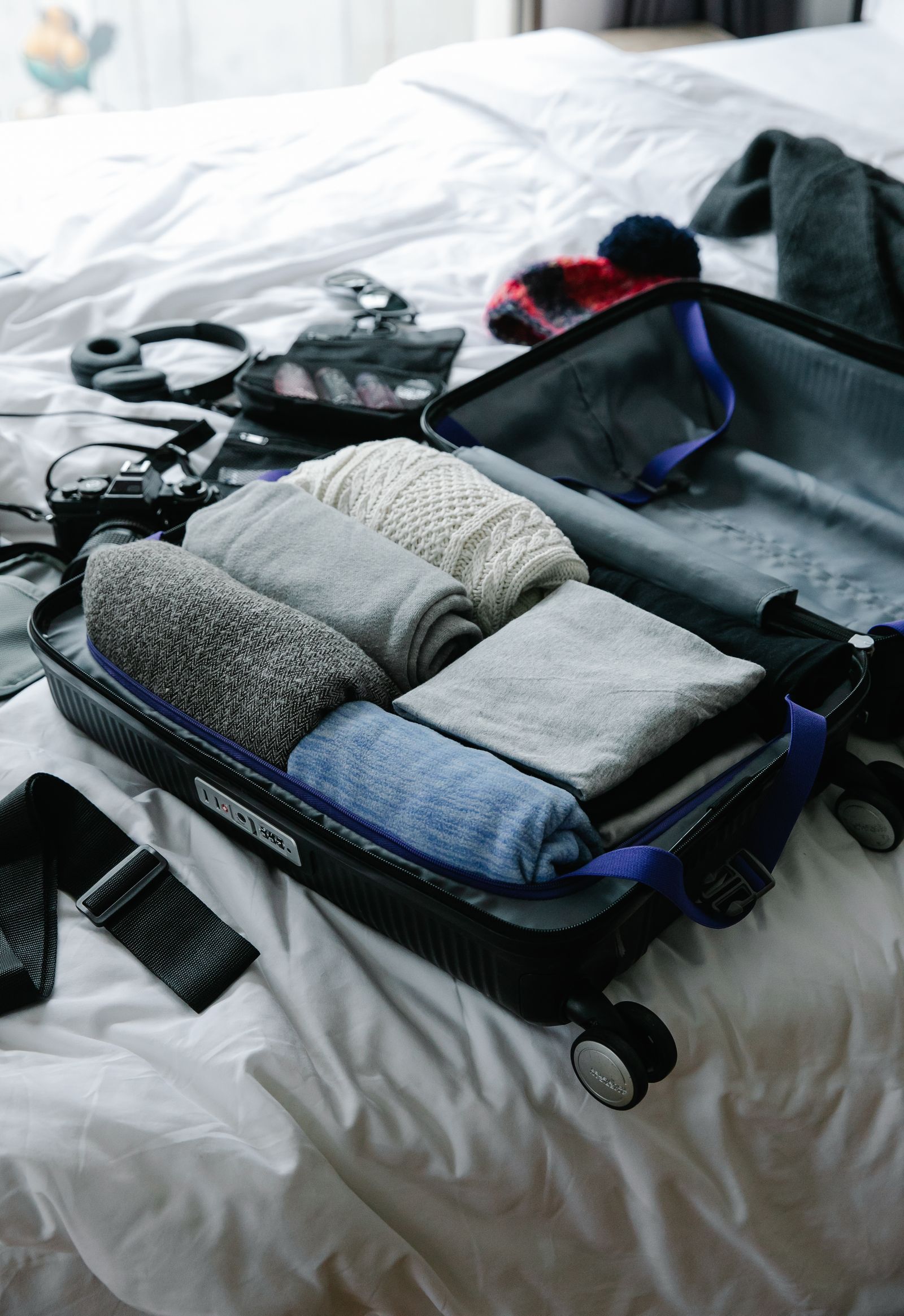
Weigh checked bags on a home scale if the airline enforces a strict limit, since overweight fees charged at the counter are almost always higher than buying extra allowance in advance online. Move your passport, boarding pass, wallet, house keys and phone charger into one bag you will carry on board, not into a checked case, so losing checked luggage never means losing your documents. Pack any daily medicine in original packaging inside carry-on baggage, along with a printed prescription if you are crossing a border, since customs officers sometimes ask for proof that a medication is legitimately yours. Remove old baggage tags from a previous trip before you leave, since leftover barcodes have occasionally confused sorting systems and sent a bag to the wrong city. Attach a current tag with your name and a phone number that will work abroad, not just a home landline. If you are checking a bag with fragile or valuable items, photograph the contents before closing it, which gives you something concrete to reference if the bag arrives damaged or a report needs to be filed later at the airport. If you are traveling with a sporting item, musical instrument or other oversized piece, confirm the airline's specific handling process and any extra fee in advance, since turning up unannounced with an unusual item often causes delay at the counter.

Timing and transport
Follow the airline's recommended arrival window rather than your own estimate, since that guidance already accounts for typical queue lengths at that specific airport and time of day. Add extra time if you are checking a bag, traveling with children, using a wheelchair or mobility aid, or flying internationally, since each of these can add a meaningful block of time before you reach the gate. Check live traffic conditions on the route to the airport shortly before you leave, not the night before, because road closures and accidents change quickly. If you are relying on a rideshare, confirm that pickup is available at your address at that hour, since some services reduce coverage overnight. Know a second way to reach the airport, whether that is a different road, a train line or a backup driver, in case your first plan falls through unexpectedly. Parking at the airport itself deserves its own buffer, since long-stay lots often require a shuttle ride that adds extra time beyond simply finding a space, and that extra time varies by airport. If several people in your household are leaving for different flights on the same day, write down each departure time and transport plan separately, since juggling two schedules from memory is where mistakes tend to happen.
Useful note: Put the actual travel document in your departure bag before locking up; a saved copy is not normally a substitute for the original.
Final five-minute check
Before walking out the door, run through phone, wallet, passport, boarding pass, medicine and house keys as a short spoken list rather than a mental scan, since saying items aloud catches gaps that a quick glance misses. Confirm the stove, irons and any space heaters are off, and that doors and windows are locked, since this is the easiest moment to forget something you have already mentally moved past. Check the pickup address and terminal one last time against the booking, since a terminal number can differ from what you remembered weeks earlier when you first booked the trip. Glance at the flight status screen once more for any last minute gate or time change before you commit to a route. If someone is meeting you at the destination, send a short message confirming you are on schedule, so they are not left waiting without information. This final pause costs almost nothing and catches the small oversights that cause the most avoidable airport problems. If you are leaving a pet at home, confirm the sitter or kennel has your flight details and a backup contact, since an unexpected delay on your end should not leave someone else without information about when you will actually return.

Related guides
Carry-on Checklist
Pack the items you need in transit while keeping security and airline limits in mind.
Read guide
International Flight Checklist
Prepare documents, connectivity, money, medicine and arrival details for an overseas trip.
Read guide
Connecting Flight Checklist
Use this before and during a connection to protect your time, baggage and onward plans.
Read guide