International Flight Checklist
Prepare documents, connectivity, money, medicine and arrival details for an overseas trip.
8 min read · Updated September 2026
Documents and booking
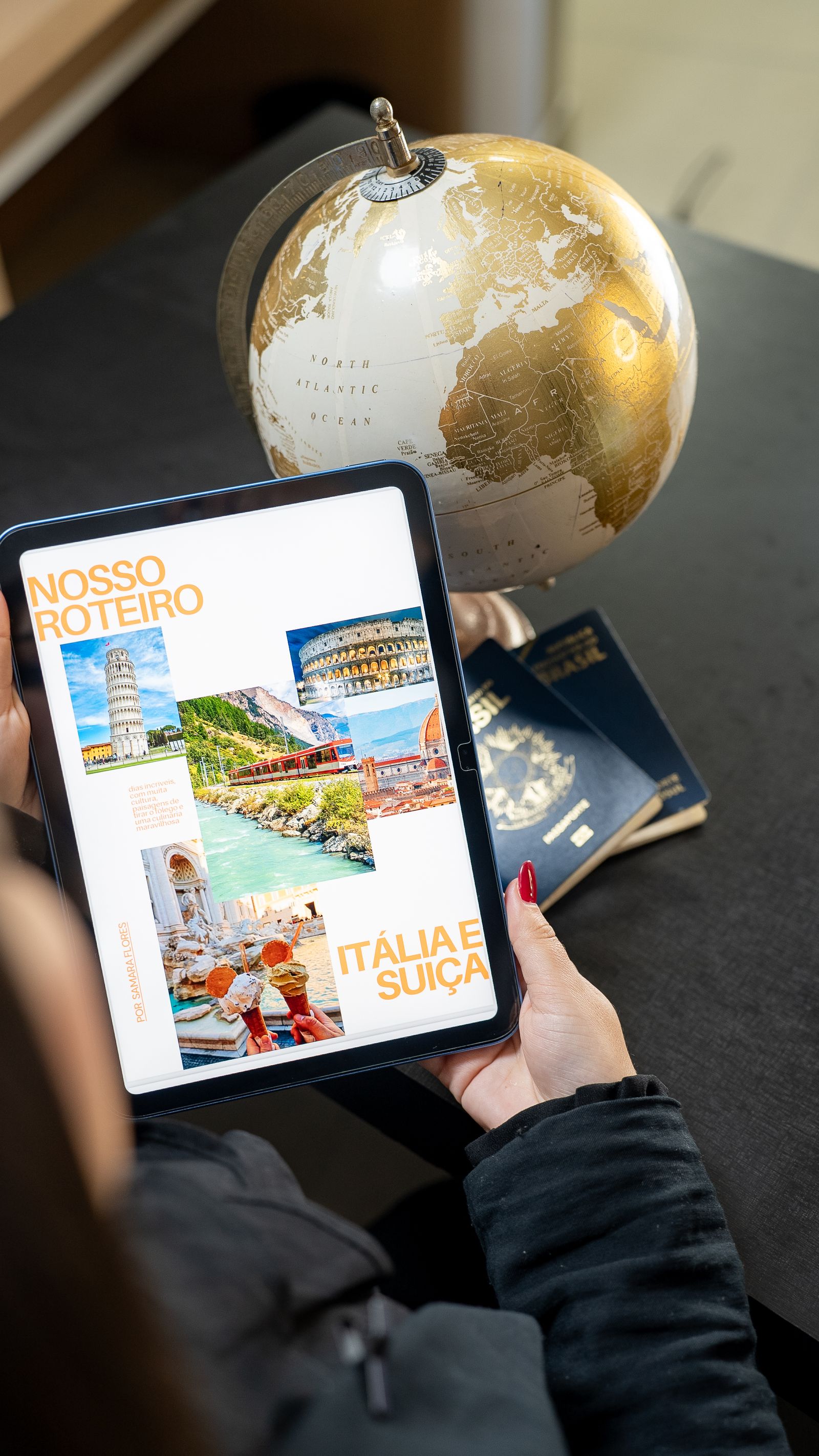
Check your passport expiry date against the destination country's entry rules well before departure, since many countries require at least six months of validity beyond your travel dates and will deny boarding if that margin is missing. Confirm whether your destination requires a visa, an electronic travel authorization or simply a return ticket, and apply for any required document with enough lead time, since processing can take days or weeks depending on the country. Check any transit country's rules too, since some nations require a transit visa even if you never leave the airport, particularly on longer layovers. Save digital and printed copies of your passport photo page, visa approval and onward ticket, and leave one copy with someone at home, in case your documents are lost or stolen abroad. Confirm your airline ticket name matches your passport exactly, since international check-in systems are stricter about name mismatches than domestic ones and may refuse boarding over a small discrepancy. If you hold dual citizenship, check which passport the destination expects you to travel on, since presenting the wrong one at a border post can create confusion even when you are legally entitled to enter. Photograph the inside pages of your passport and any visa stamp as soon as it is issued, so you have a readable copy even if the physical document is misplaced during the trip.
Baggage and essentials
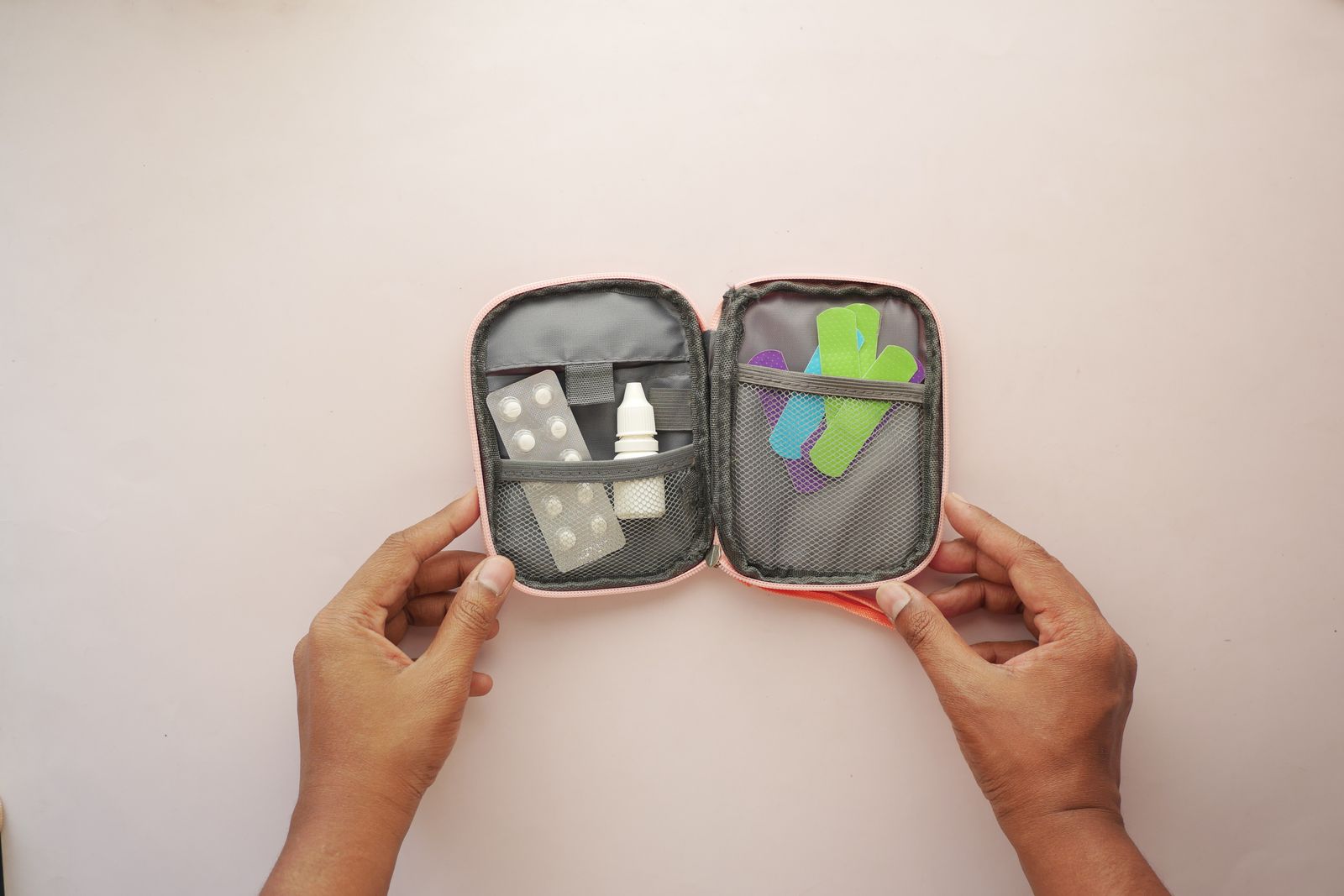
Check the destination country's customs rules on food, plant material, cash amounts and restricted goods before you pack, since items that are ordinary at home can be confiscated or fined on arrival elsewhere. Pack any prescription medicine with its original packaging and, where required, a doctor's letter, since some countries restrict or ban medications that are freely available elsewhere. Bring a small amount of local currency or a card you have confirmed works internationally, since not every arrival airport has a working currency exchange counter at all hours. Pack a universal power adapter if your destination uses a different plug type or voltage, and keep it in your carry-on rather than a checked bag in case your luggage is delayed. Note your airline's checked baggage allowance for international routes specifically, since it sometimes differs from the domestic allowance on the same airline and excess fees are charged at a higher international rate. Research any vaccination or health certificate requirements for your destination well ahead of travel, since some countries require proof of specific vaccinations before allowing entry and this is not something that can be arranged at the airport. If you plan to bring back food, plants or souvenirs made from animal products, check the rules for bringing those items back into your home country as well, since restrictions apply in both directions.
Timing and transport
Arrive earlier than you would for a domestic flight, since international check-in cutoff times vary by airline and airport and are generally earlier than domestic cutoffs, and document checks at the counter take longer. Check whether your destination requires an arrival form, health declaration or customs declaration to be completed before landing, and find out in advance whether this is done on paper, on an app or online, since the process varies by country and sometimes must be done before you board. If your trip includes a connection in a different country, check whether you need to clear immigration and collect baggage before your next flight, since transit rules differ sharply between airports and some require a visa even for a short layover. Confirm the time zone difference at your destination so your planned arrival time and any onward transport booking reflect local time rather than your home time zone. Check whether your destination airport is known for slow immigration queues at the time you are due to land, since this affects how much buffer you should plan before any onward connection or ground transport booking. If your flight departs very early in the morning, confirm that public transport or ride services are actually running at that hour, since some options reduce or stop service overnight even at major airports.
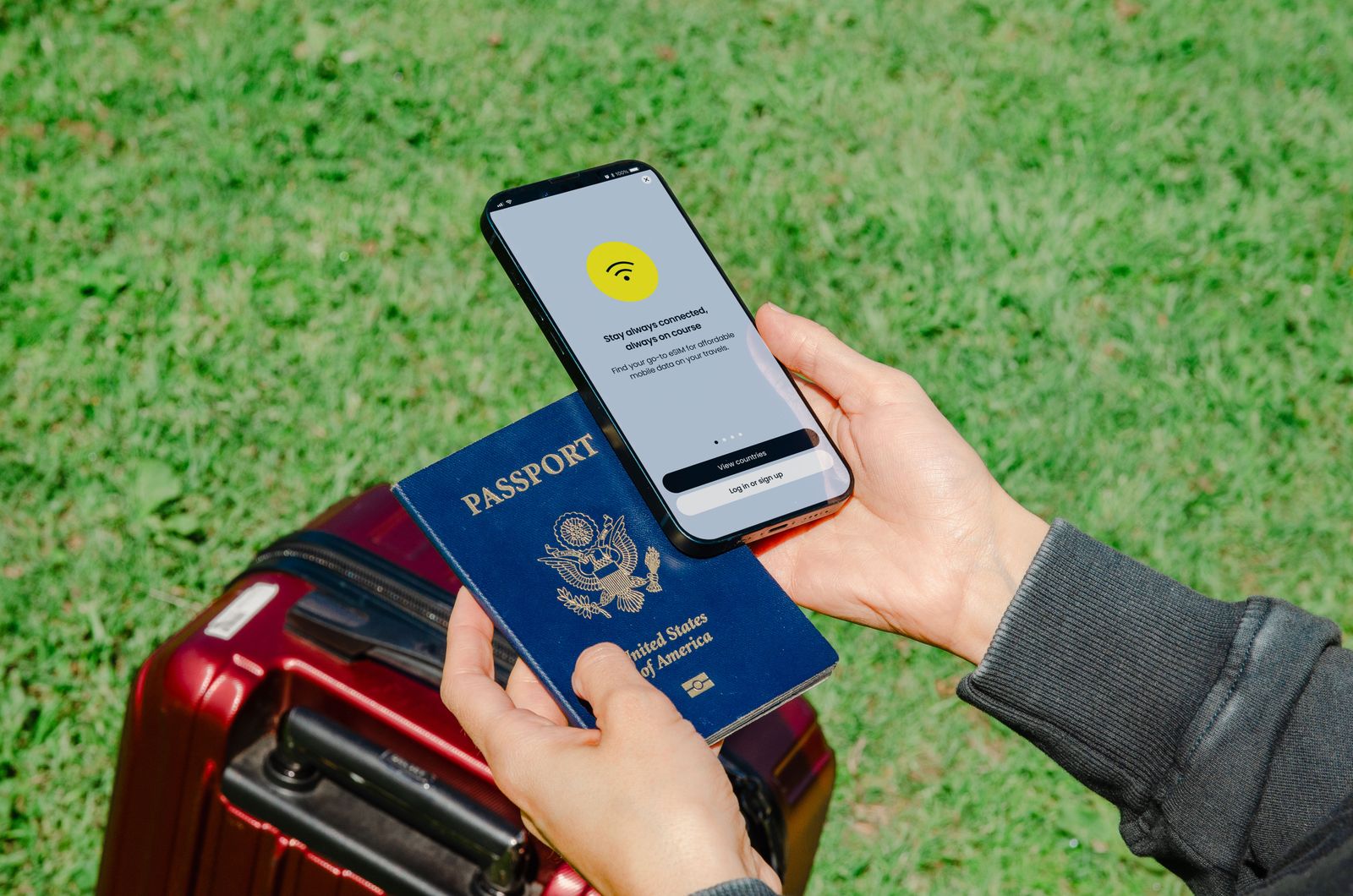
Useful note: Before buying connectivity abroad, check whether your phone is unlocked and supports the SIM or eSIM you intend to use.
Final five-minute check
Before leaving for the airport, confirm you have your passport, boarding passes for every leg, any visa approval printouts, travel insurance details and a copy of your accommodation address in the local language if possible. Check that your phone has an international plan activated or that you have a plan for connectivity on arrival, since arranging this after landing in an unfamiliar airport is harder than setting it up at home. Confirm your bank and card provider know you are traveling internationally, since an unexpected overseas charge can trigger a security freeze on your card at the worst possible moment. Glance at the current exchange rate and entry requirements one last time, since rules occasionally change close to departure. This final review protects the parts of an international trip that are hardest to fix once you have already left home soil. Save the local emergency number and your home country's nearest embassy contact for the destination, since this is far easier to find before you leave than while dealing with an actual problem abroad.
Related guides

Before Leaving for the Airport Checklist
A final check of documents, timing, transport, baggage and flight status.
Read guide
Carry-on Checklist
Pack the items you need in transit while keeping security and airline limits in mind.
Read guide
Connecting Flight Checklist
Use this before and during a connection to protect your time, baggage and onward plans.
Read guide