Connecting Flight Checklist
Use this before and during a connection to protect your time, baggage and onward plans.
8 min read · Updated September 2026
Documents and booking
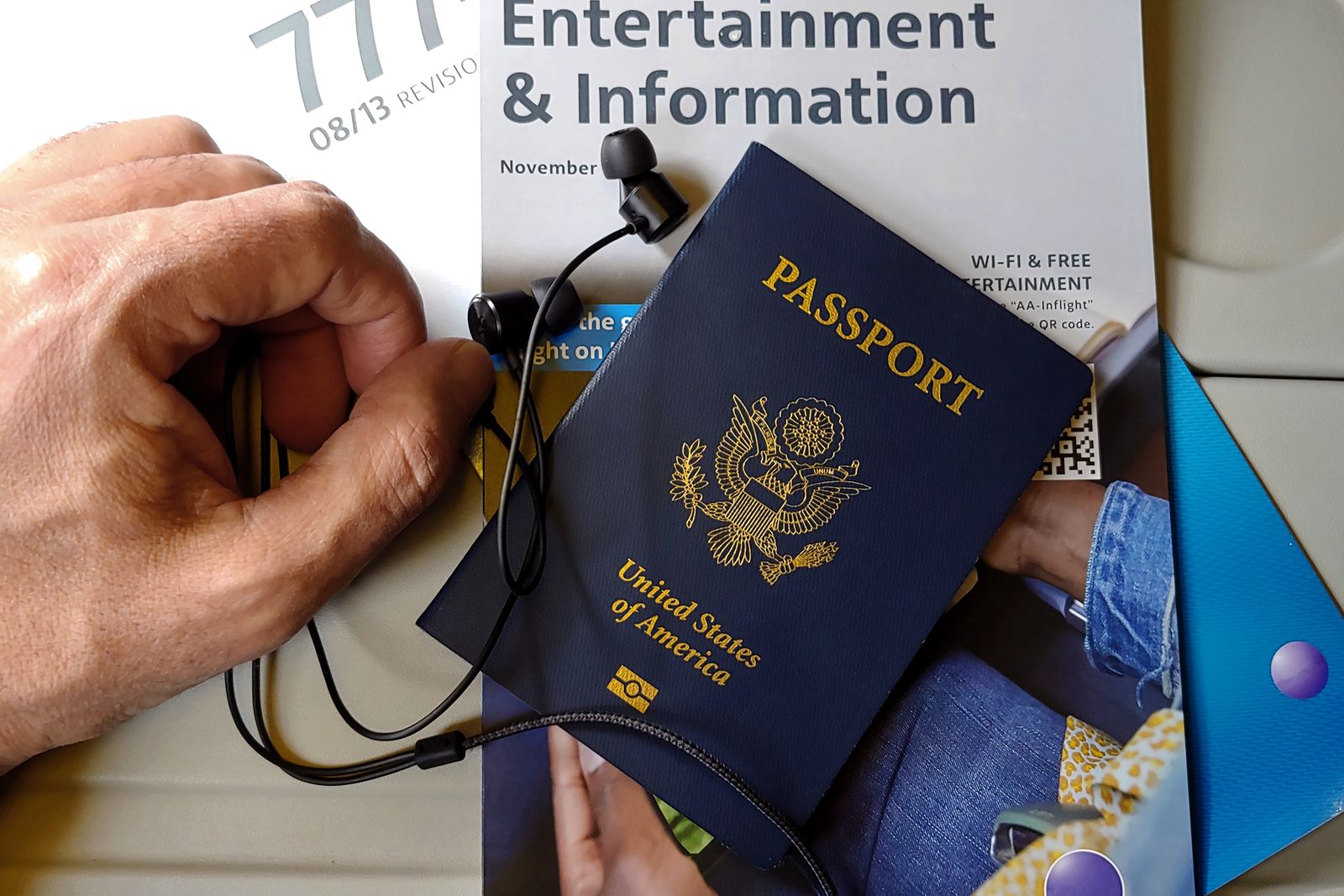
Before you travel, check whether your connecting flights are on a single ticket or booked separately, since a single ticket usually means the airline rebooks you automatically if the first flight is late, while separate tickets leave that risk with you. Note the scheduled connection time printed on your itinerary and compare it with the airport's own guidance for that specific route, since a tight connection that looks fine on paper can be unrealistic if it involves a terminal change or a repeated security check. If your journey crosses borders partway through, confirm whether you need to clear immigration and collect baggage at the connecting airport before continuing, since some airports treat a connection as fully international while others require a landside transfer. Keep both boarding passes accessible, since gate staff for the second flight sometimes ask to see the first boarding pass as proof of your original itinerary. If the connection was created by the airline rebooking you after a delay, confirm in writing what happens to your original seat assignment and any paid extras, since these do not always carry over automatically to the new itinerary. Write down the name of the airline staff member if they make a verbal promise about your connection, along with the time, since this detail is useful if you need to follow up later.
Baggage and essentials
Ask at check-in whether your checked bag is tagged through to your final destination or only to the connecting airport, since the answer changes what you need to do if your first flight is delayed. If your connection is short, keep anything essential, such as medicine or a change of clothes, in your carry-on rather than checked baggage, in case your bag does not make the same connection you do. Check whether the connecting airport requires you to collect and recheck your bag yourself, which is common on separate tickets or when switching between certain airline alliances, and allow extra time for this step since it involves leaving the secure area and passing through security again. Keep your baggage claim tags until your whole journey is finished, since they are the reference needed to trace a bag that does not arrive with you. If you are told your bag will not make the same connection, ask specifically where it will be held and how you can later collect it, rather than assuming it will simply follow you on a later flight. Keep your baggage claim stub somewhere separate from your passport, such as a different pocket, so a single lost item does not leave you without any way to prove ownership of a delayed bag.
Timing and transport
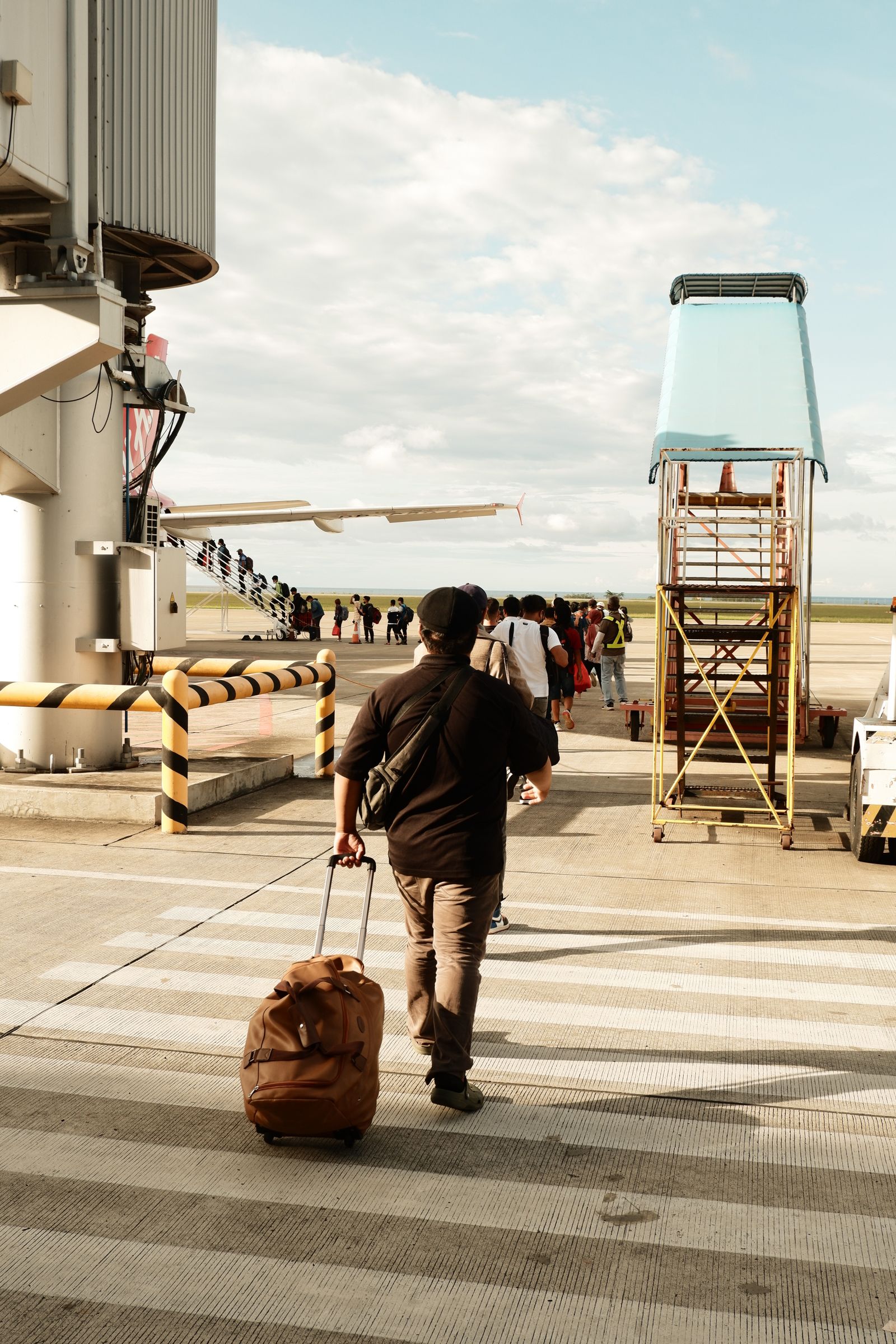
As soon as you land for your connection, check the departure screen for your next flight's gate rather than relying on the gate printed on your original boarding pass, since gates are reassigned often and the printed version can be outdated within minutes. If your connecting flight is in a different terminal, confirm the transfer method, whether that is a walk, a shuttle bus or a train, and ask staff how long that transfer realistically takes rather than guessing. Build in a pause after security and immigration checks are complete to reassess, rather than assuming the walking distance alone is the only obstacle between you and the gate. If the connection is unusually tight, head directly to the gate before stopping for food or shopping, and ask the nearest airline desk for a status update if you are unsure whether the gate has changed. If an electronic departure board at the connecting airport shows a gate that contradicts an announcement you just heard, trust the most recent update from airline staff over an older printed or displayed source.
Useful note: Check whether your onward bag is through-tagged and whether local entry rules require collection. These questions are not always answered by the same instruction.
Final five-minute check
Once you reach the departure gate for your connecting flight, confirm the flight number and destination on the screen match your boarding pass exactly, since two flights departing close together can occasionally be confused at a busy gate. Check that your carry-on, phone and both boarding passes are with you before you sit down to wait, rather than discovering a missing item as boarding is called. If you were given a new seat assignment during rebooking, confirm it on the pass rather than assuming your original seat carried over. Listen for your name or flight number on the announcement system, since a tight connection sometimes means you are the last passenger being paged. This final check at the gate is the last point where a small mistake is still easy to correct before the door closes. If the gate area is crowded and boarding has already started, position yourself where you can hear announcements clearly, since a missed name call during a tight connection can be the difference between making the flight and not.
Related guides

Before Leaving for the Airport Checklist
A final check of documents, timing, transport, baggage and flight status.
Read guide
Carry-on Checklist
Pack the items you need in transit while keeping security and airline limits in mind.
Read guide
International Flight Checklist
Prepare documents, connectivity, money, medicine and arrival details for an overseas trip.
Read guide