Carry-on Checklist
Pack the items you need in transit while keeping security and airline limits in mind.
8 min read · Updated September 2026
Documents and booking
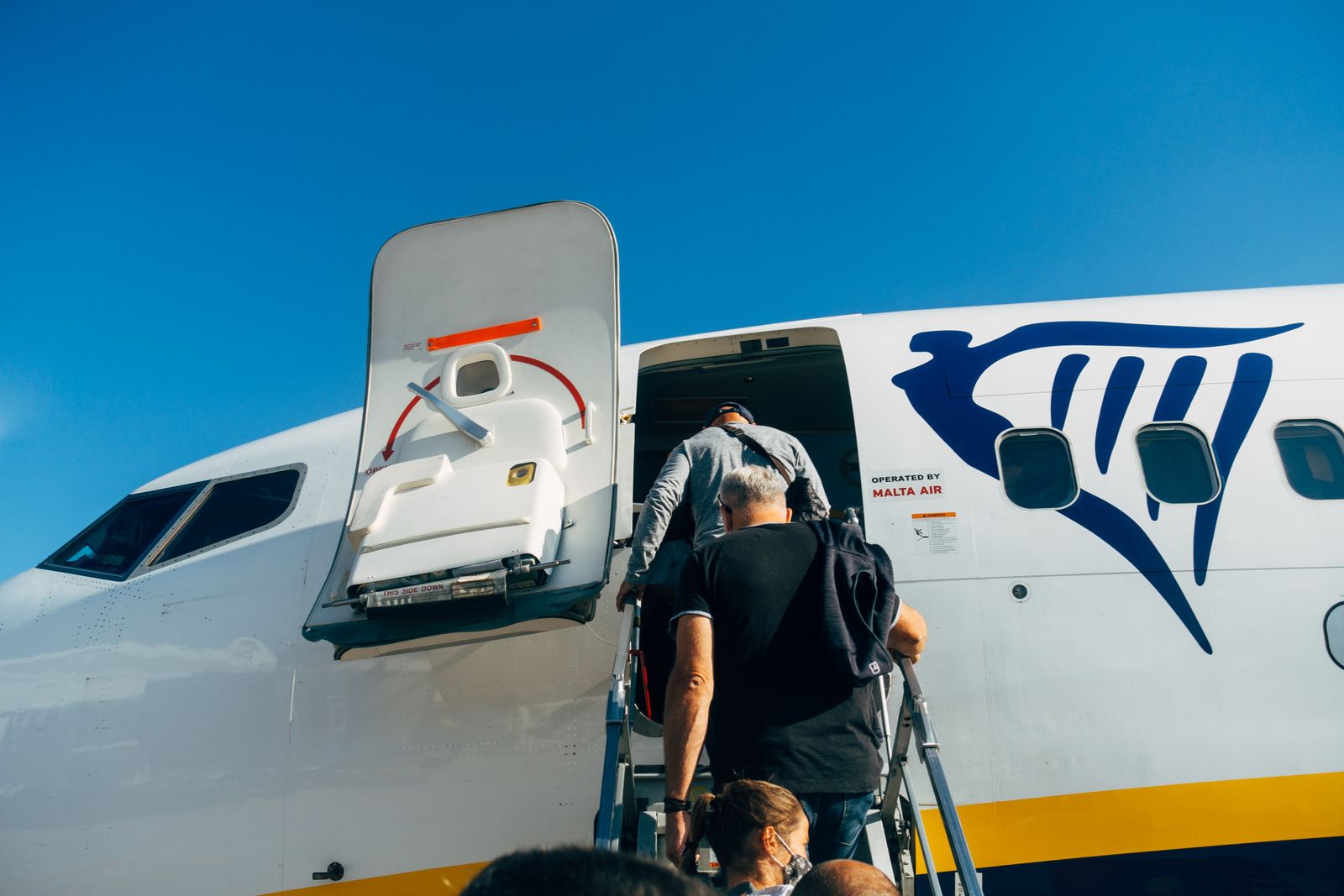
Keep your boarding pass, passport and any visa documents in the same pocket of your carry-on every time you travel, so you are not searching through the whole bag under pressure at the gate. If your trip includes a connection, print or screenshot both boarding passes before you leave, since some airlines only issue the second pass after the first flight lands and airport Wi-Fi is not always reliable at that point. Carry a paper copy of your hotel address and any pre-arranged transport confirmation, since a dead phone at midnight in an unfamiliar airport makes a saved digital copy useless. If you are traveling with a companion, agree in advance who holds which documents, so neither of you ends up duplicating or misplacing a passport. Check the specific carry-on size and weight limit for the airline you are flying rather than a general rule, since budget carriers often enforce tighter limits than the major airlines and measure bags more strictly at the gate. If your trip spans multiple airlines on one itinerary, note which airline is operating each leg, since baggage and check-in rules can differ even when the booking appears to be a single continuous trip. Keep a spare printed copy of your itinerary inside the carry-on bag itself, separate from your phone, as a backup if the device is lost or its battery dies mid journey.
Baggage and essentials
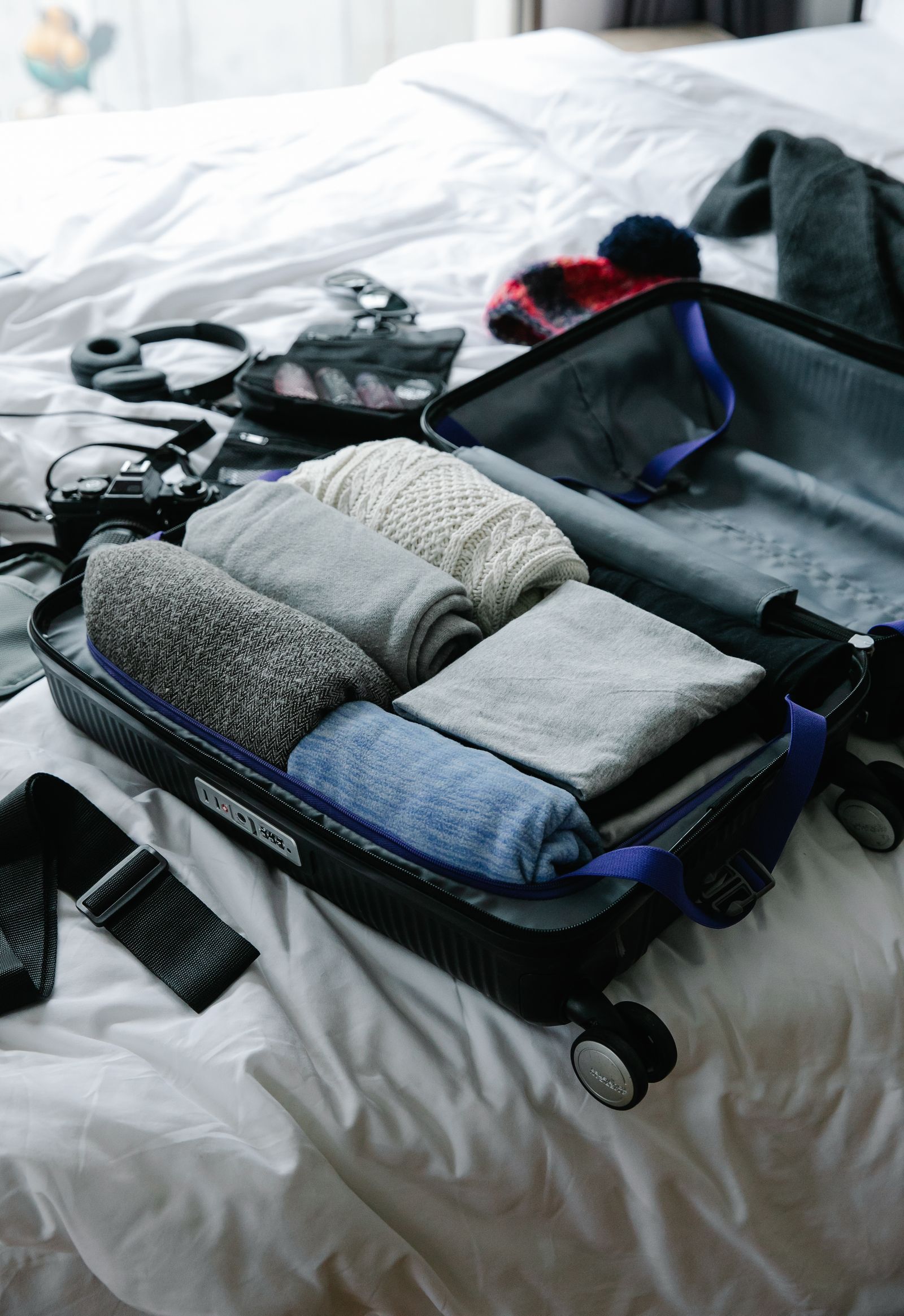
Pack a change of underwear and a basic toiletry kit in your carry-on even on a short trip, since a checked bag delay means you may need to manage a day or more without your main luggage. Keep liquids within the security limit in a clear bag at the top of your carry-on so you are not unpacking the whole bag at the screening belt while a queue builds behind you. Put chargers, headphones and any portable battery packs somewhere you can reach without opening the main compartment, since security staff frequently ask to see electronics separately. If you carry prescription medicine, keep it in original labeled packaging rather than a pill organizer, since unlabeled medication can raise questions at security or at a border crossing. Pack one item that would genuinely disrupt the trip if lost, such as a laptop charger cable or a spare pair of glasses, as a reminder that carry-on space should prioritize what checked baggage cannot safely replace if it goes missing or arrives late. Consider packing a compact snack and an empty refillable water bottle, since security will not allow liquids through the checkpoint but an empty bottle can be filled afterward, saving money at airside shops. If you wear glasses or contact lenses, pack a spare pair or extra solution in the carry-on rather than the checked bag, since this is the kind of item that causes real disruption if it is unreachable for a day.

Timing and transport
Arrive with enough time to clear security even if your carry-on needs a secondary check, since bags with electronics, liquids or dense packing are flagged for manual inspection more often than simple bags. If your carry-on is close to the size limit, expect gate staff on a full flight to measure it and potentially ask you to check it at the gate, so keep anything irreplaceable in a smaller personal item instead. Know which pocket holds your liquids bag and electronics before you reach the screening belt, since fumbling through a packed bag while an officer waits slows the whole line. If you are connecting through a security checkpoint a second time at a transit airport, repack your bag afterward exactly as it was, since loose items increase the chance something falls out or gets left behind on the belt. If you are flying with a small child, allow extra time at the checkpoint for a car seat or stroller to be inspected separately, since these items are usually screened apart from the rest of your carry-on. If you have connected through this specific airport before and recall long lines at a particular checkpoint, factor that memory into your timing rather than assuming every visit will move at the same pace.
Useful note: Pack irreplaceable essentials in the small bag you can retain if your larger cabin case is unexpectedly checked at boarding.
Final five-minute check
Before you board, confirm your carry-on zips fully and the strap or handle is secure, since a bag that bursts open on an escalator rarely recovers all its contents. Check that your personal item, usually a smaller bag placed under the seat, actually fits under a standard seat rather than assuming it will, since gate staff measure this more closely on full flights. Make sure your phone, passport and boarding pass are in your pocket or an outer compartment rather than buried inside the carry-on, since you will need to present them again at the gate. Glance once more at the overhead bin policy for your fare type, since some lower fare classes charge separately for overhead space even when the bag itself meets the size limit. A short check here avoids a last minute repack in the boarding line. Double check that any liability liquids or gels you packed are still within the single container limit, since a half-used bottle that looked fine at home can sometimes exceed the allowed size once measured at the belt.

Related guides
Before Leaving for the Airport Checklist
A final check of documents, timing, transport, baggage and flight status.
Read guide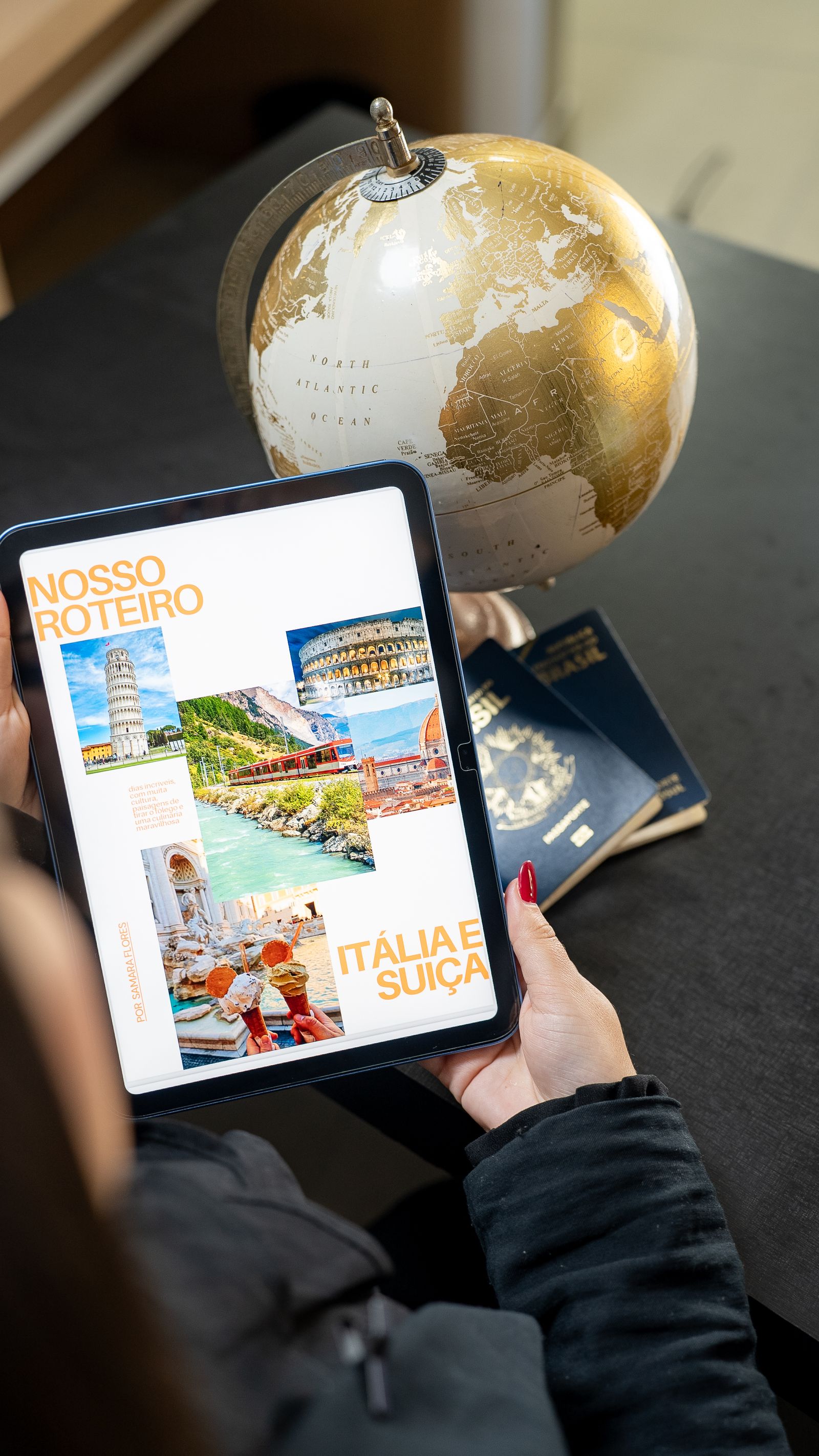
International Flight Checklist
Prepare documents, connectivity, money, medicine and arrival details for an overseas trip.
Read guide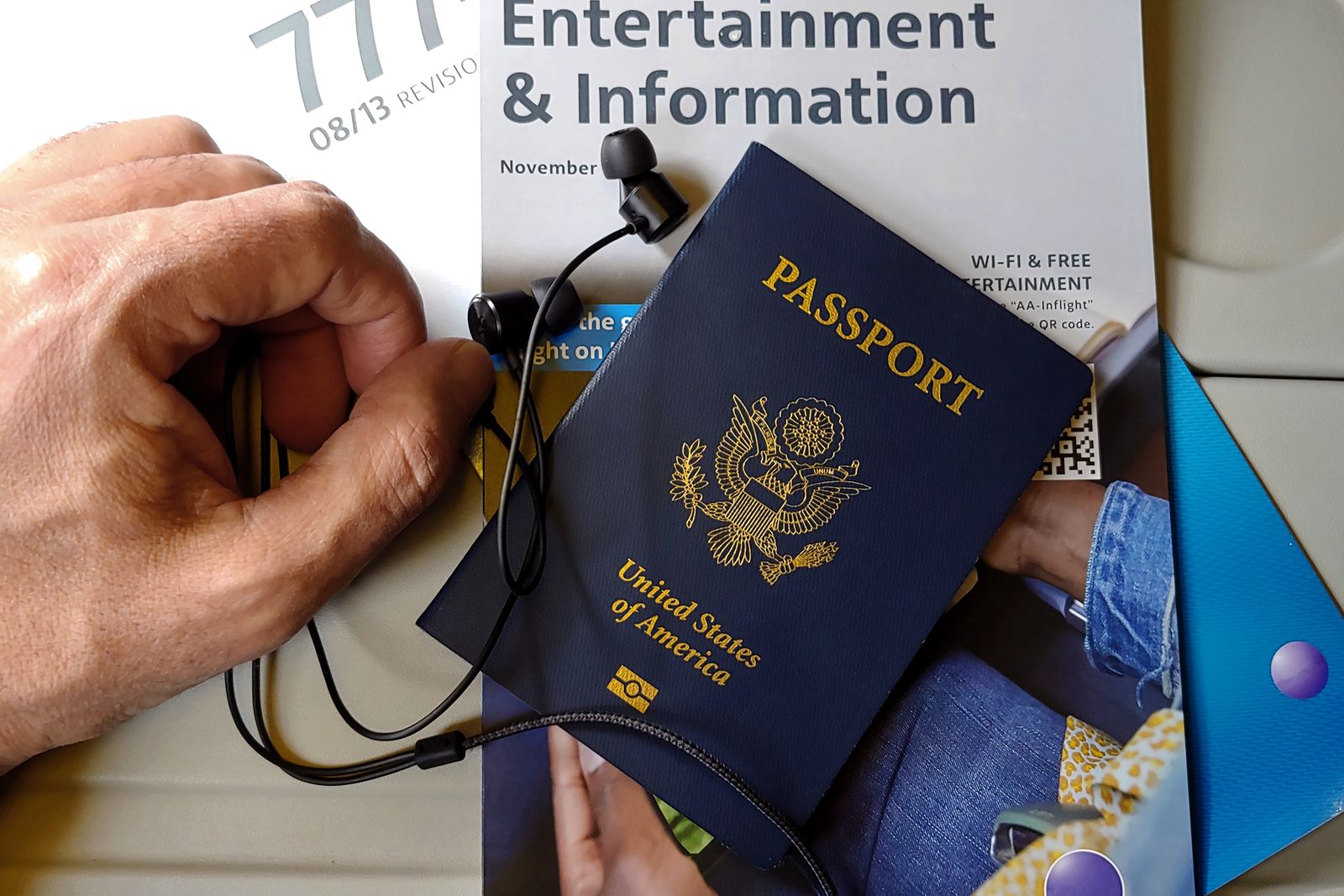
Connecting Flight Checklist
Use this before and during a connection to protect your time, baggage and onward plans.
Read guide