Boarding Passes and the Boarding Process
What the details mean, when queues form and how gate checks usually work.
8 min read · Updated September 2026
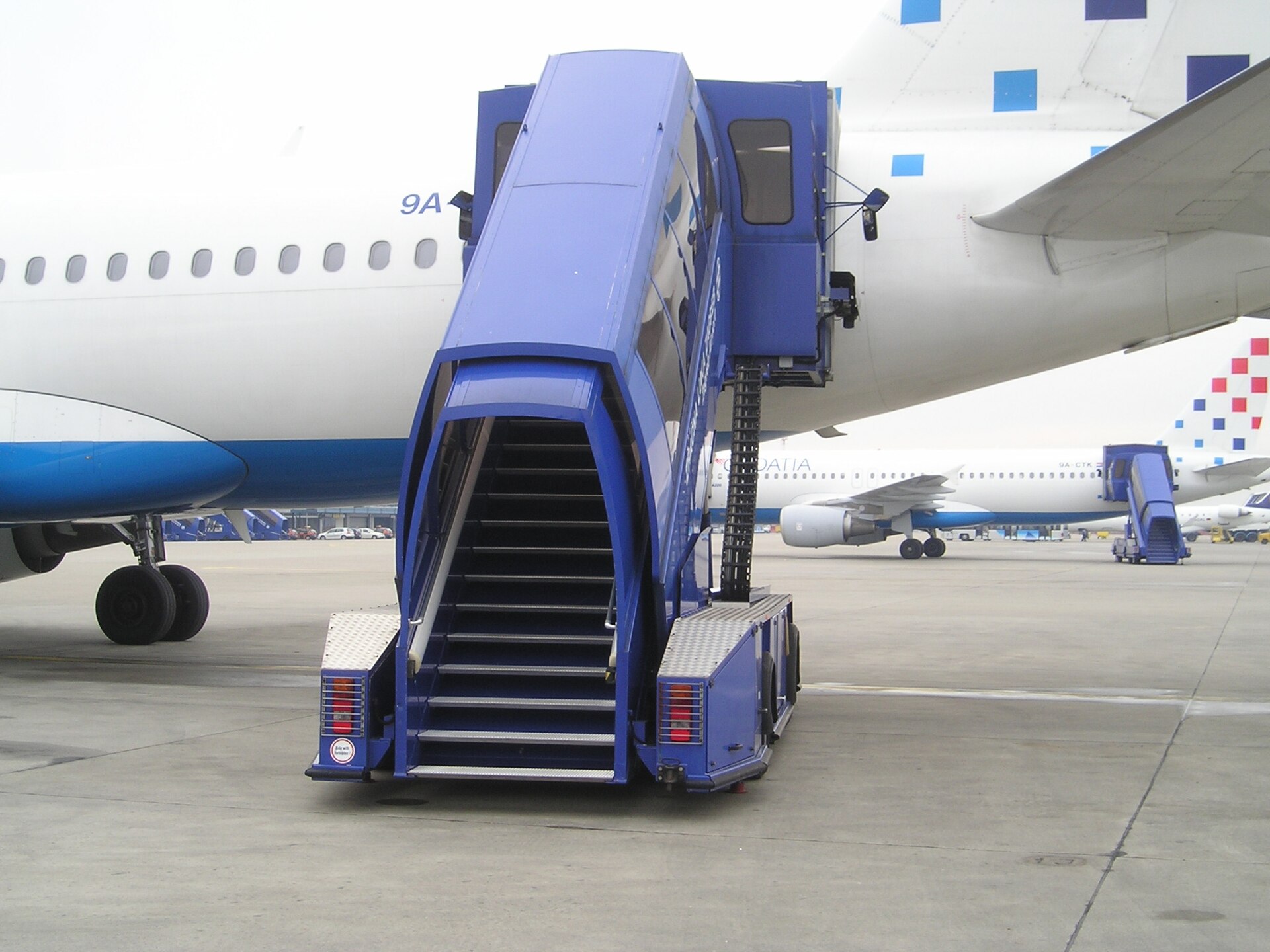
Understand the situation
Your boarding pass confirms your identity against your booking, states your seat assignment, and controls when and where you can board, which makes it one of the key documents for your trip; on an international itinerary, your passport carries equal or greater weight, since you may need both together at several points along the way. Understanding what the pass shows, and how boarding groups work, makes the final stage of the airport journey considerably less confusing, especially the difference between the printed boarding time and the actual departure time, which newer travelers frequently mix up. For domestic trips, a boarding pass alone is often sufficient at every stage, while international travel typically requires both the pass and a passport to be presented together more than once.
What to do first
Check your pass for your name, flight number, gate, boarding time, seat number, and boarding group as soon as it is issued. A digital pass on your phone will often update automatically if your gate changes, while a printed copy will not, so glance at a departure screen periodically if you are carrying paper and your flight has any disruption. When your boarding time approaches, move toward the gate area if you have wandered off, since that is the moment airlines typically begin calling passengers forward, usually well ahead of the aircraft's actual scheduled departure. If you are checking in at the counter rather than online, the agent will print your pass and hand it over at that point, along with any luggage tags for bags you are checking.

What to check
Confirm which boarding group you are in and listen for it to be called rather than queuing early, since your seat is already assigned and waiting at the desk will not get you on board any sooner. Boarding order is usually organized by passengers needing extra time, certain premium or loyalty tiers, and then the remaining groups called in zones that often correspond to rows or sections of the cabin. Once you are through the gate and inside the cabin, check the row numbers on or near the overhead bins to find your seat, and compare the letter on your pass to the seat placards if the layout is unclear, since seat lettering conventions can vary between aircraft types. It is also worth checking whether your airline boards by row or zone from the back of the aircraft forward, since this affects when your specific group is likely to be called relative to others.
Useful note: If your boarding pass fails to scan, let the gate agent check the reservation rather than joining another boarding line.
Where to get help
Gate agents can clarify your boarding group or confirm timing if the screen is ambiguous, and they are the right people to approach if you realize you are holding the wrong pass, perhaps picked up from a family member's bag by mistake, so this can be corrected before the doors close. Flight attendants near the cabin door or in the aisle can point you toward your row if the numbering is hard to follow, and will generally glance at your pass to help direct you to the right part of the cabin if you seem unsure where to go. If you need extra time boarding due to mobility needs or are traveling with young children, mentioning this to the gate agent before general boarding begins usually means you can board during an earlier, less crowded call.
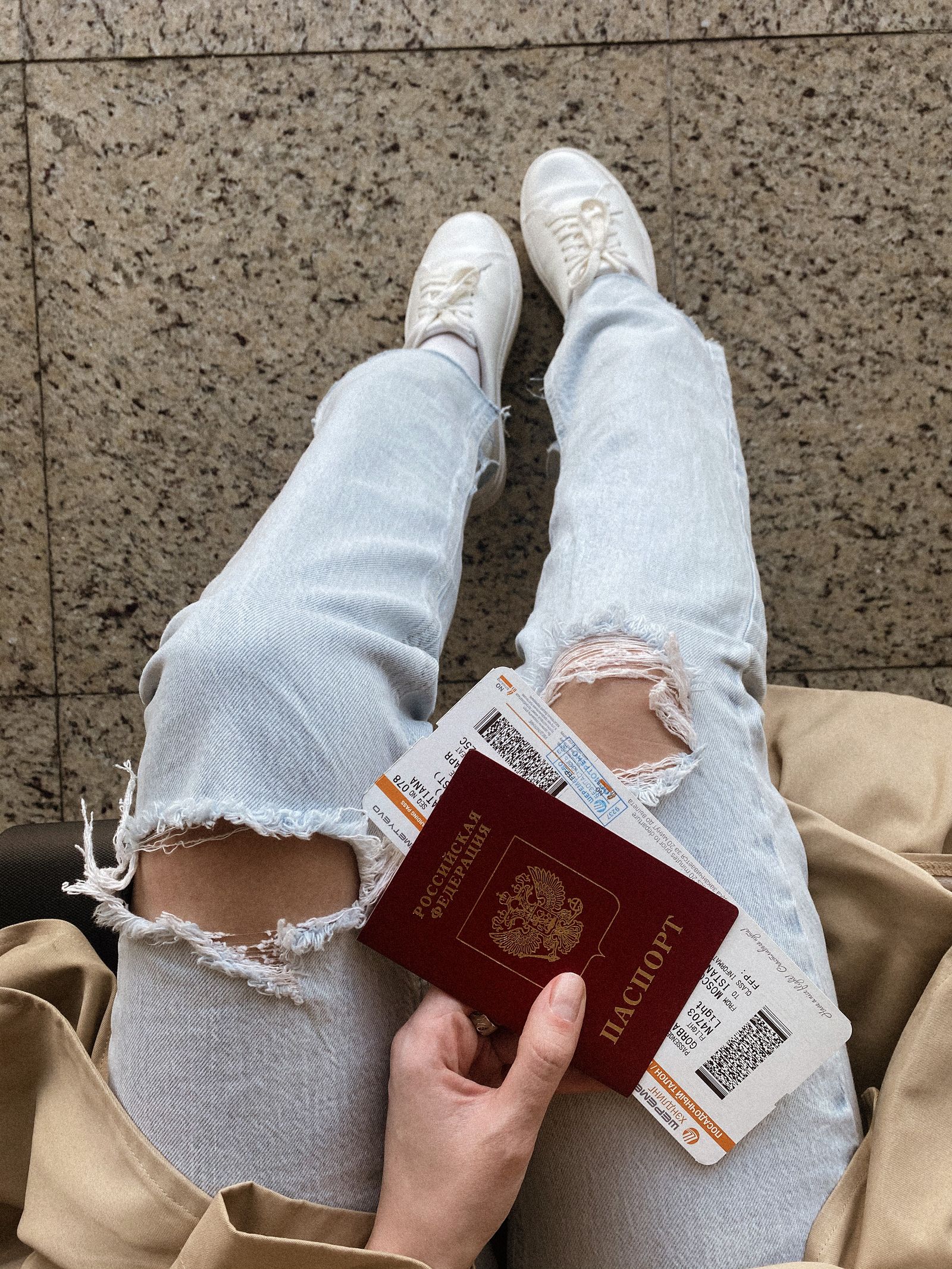
Keep useful records
Keep your boarding pass or phone accessible even after you are seated, since a crew member may need to verify it again during final checks before departure. If your flight changes gates or your pass updates at the last minute, it is worth noting the new gate number somewhere you will see it, such as a lock-screen note, in case you step away briefly. Saving a digital copy of your pass separately from a single app, where practical, also helps if your phone has trouble loading it at the gate, and keeping your passport in the same pocket as your pass avoids a last-minute search. Keeping your phone's brightness turned up if you are using a digital pass avoids a scanner failing to read a dim screen at the gate, which can otherwise slow down the line behind you.
Practical notes
Once your group is announced, have your pass ready to scan, either from a bright phone screen or a flat printed copy. After boarding, store larger bags overhead and keep smaller items under the seat ahead of you so the aisle stays clear for passengers still arriving behind you. If someone is already seated in your row, wait for them to move rather than squeezing past, and offer the same courtesy if you are the one who needs to get up later. With your seat confirmed, fasten your seatbelt and settle in for the safety briefing, which is worth attention even on a familiar route.
Related guides

First Time at an Airport: Step-by-Step Guide
Follow the airport journey from the entrance to your seat without guessing what comes next.
Read guide
Airport Check-in and Baggage Drop
Understand desk check-in, self-service kiosks, bag drops and the documents you may need.
Read guide
Getting Through Airport Security
Prepare your belongings, follow local instructions and leave enough time for screening.
Read guide