Flight Cancelled: Your Practical Next Steps
A calm sequence for checking your booking, finding alternatives and keeping useful records.
8 min read · Updated September 2026
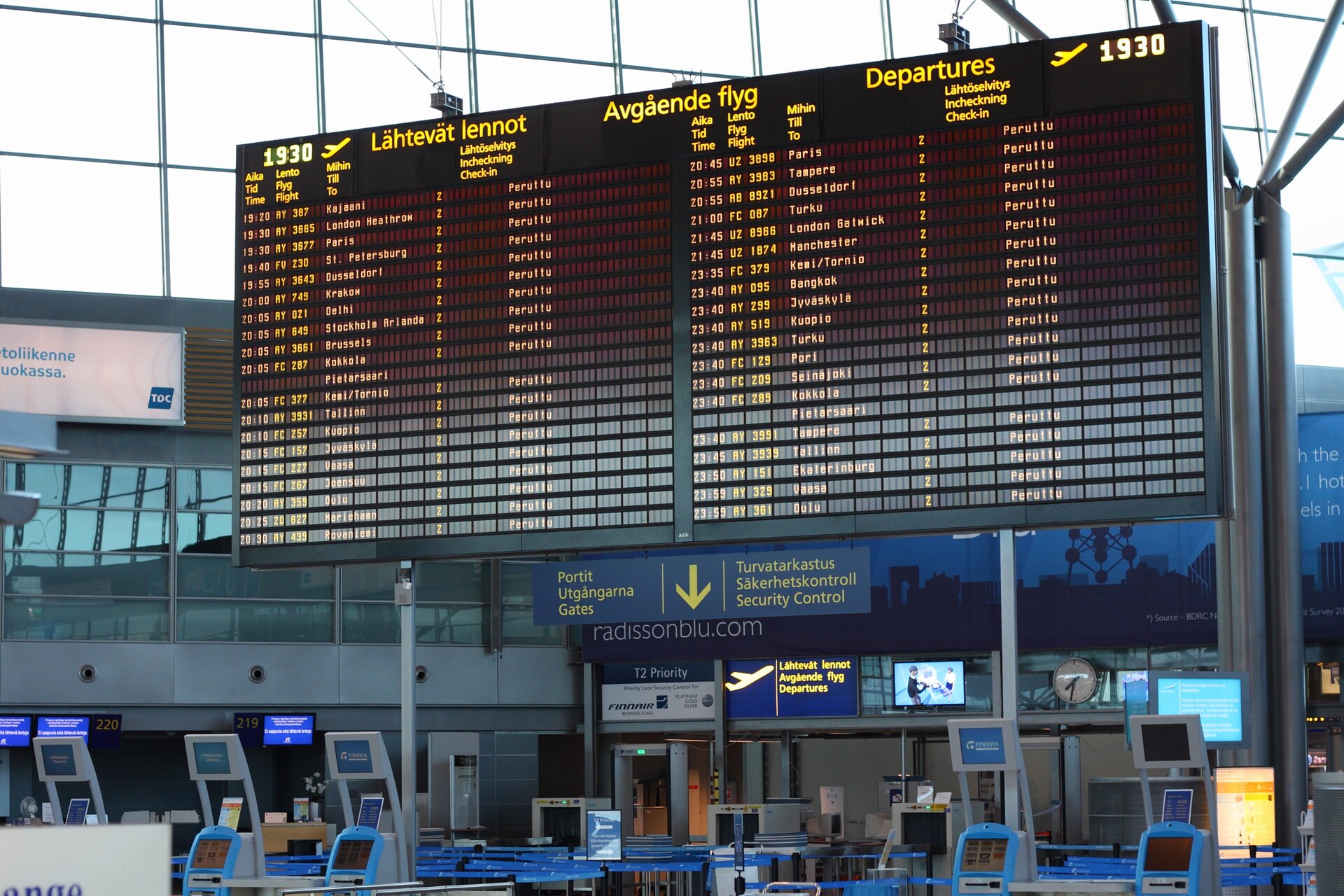
Understand the situation
A cancellation means the specific flight you booked will not operate, and the airline will offer some onward option, though its shape varies. Distinguish between a cancellation announced days ahead and one announced at the airport, since the two lead to different practical paths. An advance cancellation usually arrives by email or app alert, giving time to review alternatives from home. A same day cancellation at the airport means competing with everyone else on that flight for the next available seats, so speed matters more. Check whether the airline has already proposed a replacement within the notification, since many auto assign one you can accept or change. Note the stated reason, since a crew shortage or wider schedule reduction can mean nearby flights that day are also affected.
What to do first
If the notice arrives before you leave home, check what the airline is offering before booking elsewhere, since an airline arranged alternative sometimes includes protections a self booked ticket would not. Call or open the app's chat as soon as the cancellation is announced, since both channels fill quickly once a full flight is affected. If already at the airport, head to the airline's service desk rather than the now irrelevant gate. If the queue is long, check whether the app allows self service rebooking. Keep every original document, since the cancelled flight does not remove rights tied to that booking, and some desks ask to see the original boarding pass. If travelling together, stay as a group during rebooking so replacement flights keep matching seats rather than splitting across days.

What to check
Check whether the replacement flight protects your full original itinerary, including later connections, since an airline sometimes only resolves the cancelled leg. Compare the new departure against any fixed commitments, such as a hotel checkout or a connecting train. Confirm your baggage has been retagged to the new flight rather than assumed to follow automatically. If offered a flight from a different airport or terminal, check the realistic transfer time including security. Look at whether the new flight is with a different airline, which can affect seat selection, loyalty credit, or special assistance already attached to the booking. If the cancellation happened with little notice, check whether the message mentions any overnight provisions directly. If you no longer intend to travel, ask about the refund option before confirming a substitute. A cancellation of one flight can also affect a return or onward sector on the same ticket, so have the desk explain which parts remain active. Do not silently abandon a replacement that has been issued: tell the seller your decision and request confirmation of the unused journey's status.
Useful note: Choosing a refund can end the airline's arrangements for that unused journey. Understand the consequences before confirming your choice.
Where to get help
The operating airline is the correct first contact, through its app, phone line, or airport desk, since only that carrier can issue a valid replacement on its own schedule. If booked through a travel agency or third party site, that channel may also need to confirm the change, since some airlines will not adjust a reservation made this way without agency involvement. Ground staff away from your specific airline's desk generally cannot rebook you but can point toward the right counter. If the wait before the next seat is long, ask the desk directly what support, if any, applies to your ticket and the cause of the cancellation, since this is not automatic for every circumstance. For compensation questions tied to a specific cancellation, the airline's stated policy for that route is the reliable source.

Keep useful records
Save the original cancellation notice exactly as received, including the full text and time sent, since this becomes your reference point for everything that follows. Photograph the departure board or app screen showing the flight marked cancelled. If given a reference number for the rebooking case, write it down with the staff member's name if available, rather than relying on a screen that may not save. Keep receipts for anything purchased because of the cancellation, such as a meal or an overnight stay, noting briefly what each was for. Keep both the original booking confirmation and the new replacement confirmation together, since showing the full sequence is more useful than either document alone.
Practical notes
A cancellation announced well in advance is often treated differently from one announced at the last minute, so check how much notice you actually received. Ask the airline directly what category your cancellation falls under, since internal handling varies by circumstance and carrier. Stay specific with staff, stating the flight number, date, and exact outcome you want, rather than describing the whole day, since a focused request is easier to act on. A single staff member often cannot override system limits on remaining seats, so persistence beyond a reasonable point rarely changes the outcome. Confirm any verbal promise in writing before relying on it. Work through this sequence calmly, then check the specific policy for your airline, route, and ticket type before a final decision.
Related guides

What to Do When Your Flight Is Delayed
A delay can change connections, ground transport and plans. Start with the facts, then protect your options.
Read guide
Missed Connection: What to Do Next
Work out who controls the next flight, where your baggage is going and which desk can help.
Read guide
Rebooking After a Flight Disruption
Compare the airline offer with realistic alternatives before confirming a new itinerary.
Read guide