Missed Connection: What to Do Next
Work out who controls the next flight, where your baggage is going and which desk can help.
8 min read · Updated September 2026
Understand the situation
Missing a connection usually starts with a short gap that closes faster than expected, whether from a late inbound flight, a long terminal walk, or a slow security recheck. The key distinction is whether your flights sit on a single booking reference or were bought as two separate tickets, since this changes what help is available. A single ticket through connection means the airline generally takes responsibility for the connection it sold you, so it will usually try to rebook you onto a later flight if the first leg caused the miss, though the specific protection offered depends on the airline's own conditions of carriage rather than an automatic guarantee. Two separate tickets, even on the same airline, are usually treated as unrelated bookings, so a delay on the first carries no automatic obligation for the second. Check your boarding pass or app to see if both flights share one reference, since this detail shapes much of what follows.
What to do first
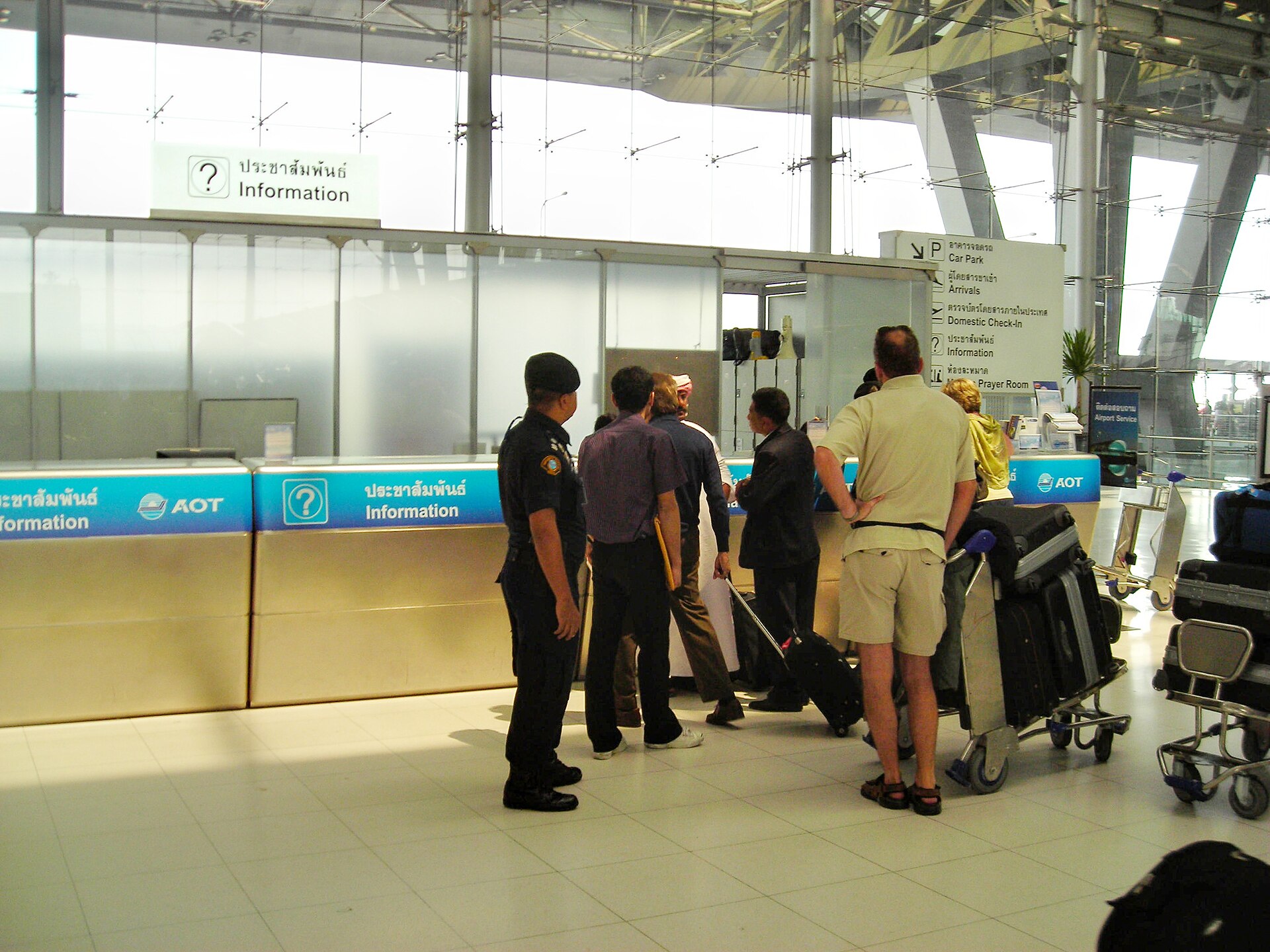
If you sense the connection is at risk, speak to cabin crew on the arriving flight, since they sometimes know which passengers need help once the doors open. On landing, follow signage toward transfer desks rather than first heading to baggage claim, since a transfer desk inside the secure area can rebook you faster. If you have already missed the connection, go directly to the transfer or rebooking desk near the arrival gate rather than general check in, since these desks specialize in exactly this situation. Keep both boarding passes visible, since staff need both references to understand your original itinerary. Ask early whether your checked bag is still on its original path, since a missed connection sometimes separates passenger and baggage routing.

What to check
Check whether your two flights were booked under one reference, since this is the clearest sign of whether the airline is responsible for rebooking you. If booked separately, check whether travel insurance covering missed connections was purchased for the trip, since this is often the only recourse besides buying a new ticket. Look at the next few scheduled departures and ask specifically whether seats remain, rather than assuming the very next flight is your only option. Check whether your bag has been located and what flight it is now routed on. If an overnight stay becomes necessary, check whether the airline is offering any accommodation support tied to this specific situation, since this depends on cause and fare conditions. Review whether onward plans, such as a connecting train, need adjusting given the new timeline.
Useful note: A replacement boarding pass and a baggage tracing reference solve different problems. Obtain both when your suitcase is also missing.
Where to get help
The transfer or rebooking desk inside the connecting airport is the most direct resource, since staff there handle missed connections regularly and can see real time seat availability. If your flights were on different airlines within an alliance or codeshare, ask specifically which carrier is handling the rebooking, since this is not always obvious from the ticket. Airport information desks outside the secure transfer area are less useful here since they generally cannot access airline booking systems. If the miss stemmed from a delay inside the airport, such as a slow security line at the transfer point, mention this clearly, since it may be relevant to how staff handle the case. For bags separated from your itinerary, the airline's baggage service office near baggage claim is the correct contact.
Keep useful records
Keep both original boarding passes even once invalid for travel, since they document the exact timing of your planned connection. Note the time your inbound flight actually landed compared with its scheduled arrival, since this gap is often central to the case. If staff give you a new boarding pass or a written note, photograph it immediately in case it needs to be shown again. Save any receipt for meals, transport, or accommodation made necessary by the missed connection, with a short note explaining the connection to this event. Ask for a reference number for the missed connection case itself, separate from your general booking reference, since having it makes any later conversation faster.
Practical notes
Whether a missed connection is the airline's responsibility depends heavily on ticketing structure, so avoid assuming a universal outcome based on another traveler's trip. Speak to the transfer desk calmly, stating both flight numbers and the gap between your arrival and the original departure, so staff can quickly see the relevant timing. A connection advertised as workable by the itinerary does not guarantee a smooth transfer if airport layout or security lines make it tight in practice, so build in extra time on future bookings where you can. If staff explain that your ticket type does not include connection protection, ask what paid options exist rather than assuming none do. Keep the sequence of events clear in your mind, since explaining it briefly and accurately works better than a long unfocused account.
Related guides

What to Do When Your Flight Is Delayed
A delay can change connections, ground transport and plans. Start with the facts, then protect your options.
Read guide
Flight Cancelled: Your Practical Next Steps
A calm sequence for checking your booking, finding alternatives and keeping useful records.
Read guide
Rebooking After a Flight Disruption
Compare the airline offer with realistic alternatives before confirming a new itinerary.
Read guide