What to Do When Your Flight Is Delayed
A delay can change connections, ground transport and plans. Start with the facts, then protect your options.
8 min read · Updated September 2026
Understand the situation
A posted delay is a moving estimate, not a fixed promise, so treat the first new time on the board as a starting point. Airlines revise delay figures as crews, aircraft and slots shift through the day, and a short morning delay can stretch once an earlier rotation runs late. Look at the operating carrier, not just the name on your ticket, since codeshare flights are run by a different airline controlling the real schedule. Check whether the cause is weather, a technical check, crew duty limits or a late inbound aircraft, because this shapes how long the wait realistically lasts. A technical fault can clear in an hour or force a full aircraft swap. Weather delays often move in waves, so a later slot may hold while an earlier one slips. If you have a connection on one ticket, your transit cushion matters more than the delay length alone, since even a short delay can erase a tight connection.
What to do first
Stay near your gate rather than wandering the terminal, since agents often announce boarding without a loud page. Open the airline app and compare it against the physical gate screen, since apps sometimes lag behind live updates. If the delay passes thirty minutes with no reopening time, find the nearest service point before the queue grows, since early arrivals get options that disappear once a backlog forms. Decide early whether to wait or ask about alternatives, and avoid a long errand until you have a firm new time in writing. If traveling with others, split tasks so one person holds the gate space while another checks the app or queues at a desk. Keep your boarding pass visible and the app open, since some carriers push gate change alerts only through it.
What to check
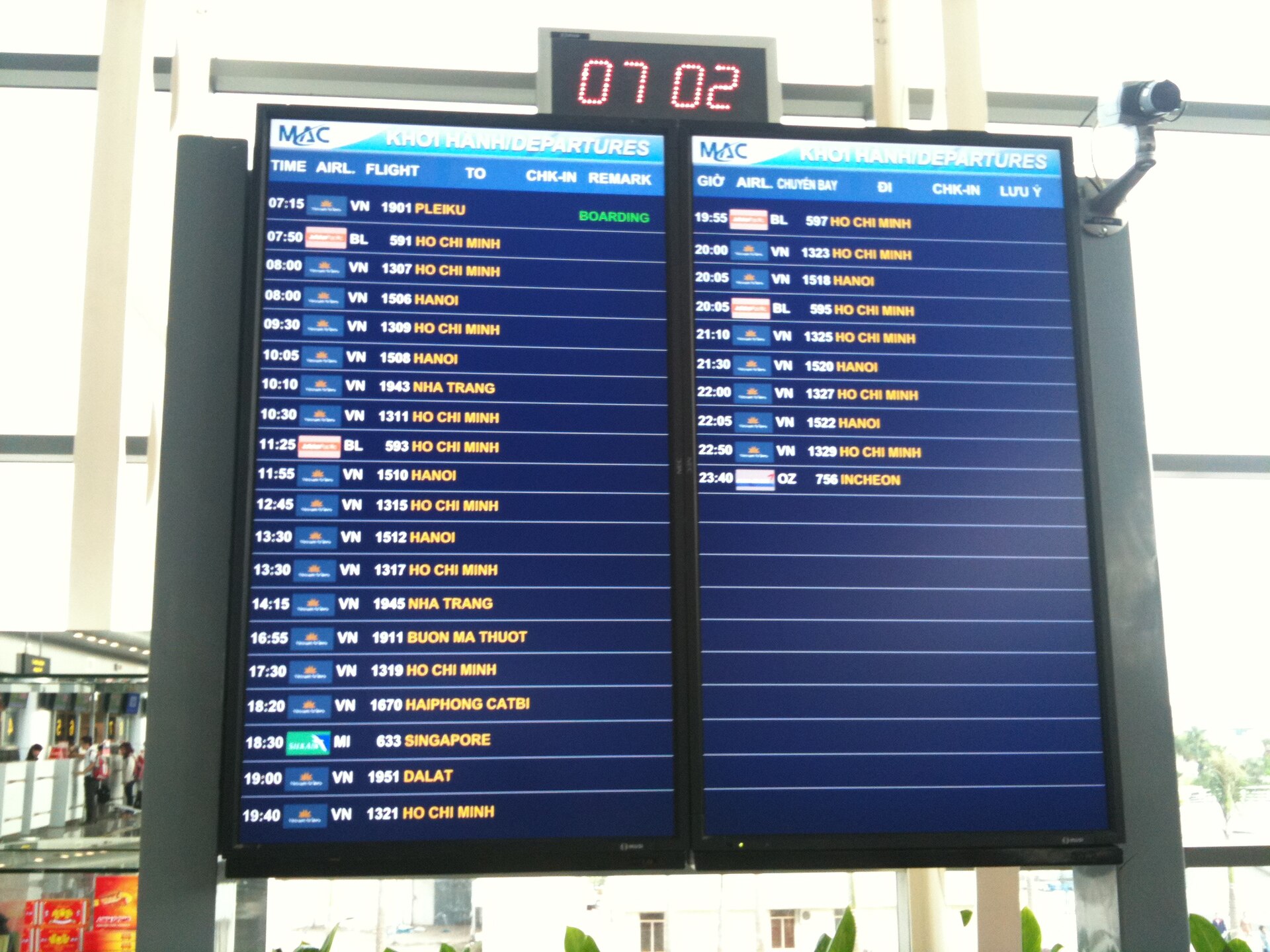
Check the new departure time on your pass or app against the live gate screen, since gaps of ten minutes or more are common and worth asking staff about. Review your full itinerary if you have connections, comparing the scheduled arrival at each stop against the new estimated arrival of this leg. Check whether your fare allows a free change, since flexibility for delays over a set length is not standard across all tickets. Watch your email and phone, since airlines sometimes send a rebooking offer before you reach a counter. If ground transport or a hotel depends on your arrival time, check cancellation windows on those bookings now. Verify whether your checked bag has already been loaded, since it can travel ahead of a badly delayed passenger.
Useful note: A revised departure estimate is not a later check-in deadline. Ask the operating airline before changing when you arrive.
Where to get help
The gate agent for your specific flight usually has the most current status, more current than a general desk handling many flights at once. If the gate is unstaffed while the delay is assessed, the airline's main terminal counter is the next stop. For a codeshare ticket, go to the counter of the airline actually operating the flight, since only that carrier can adjust the departure. If your connection is at risk, ask explicitly about protection for the full remaining itinerary, since some screens only show the segment you are viewing. Airport information desks can point you to the right counter and explain terminal layout but typically cannot change a booking. For policy questions specific to your route and airline, the carrier's own customer service channel is the accurate source.
Keep useful records
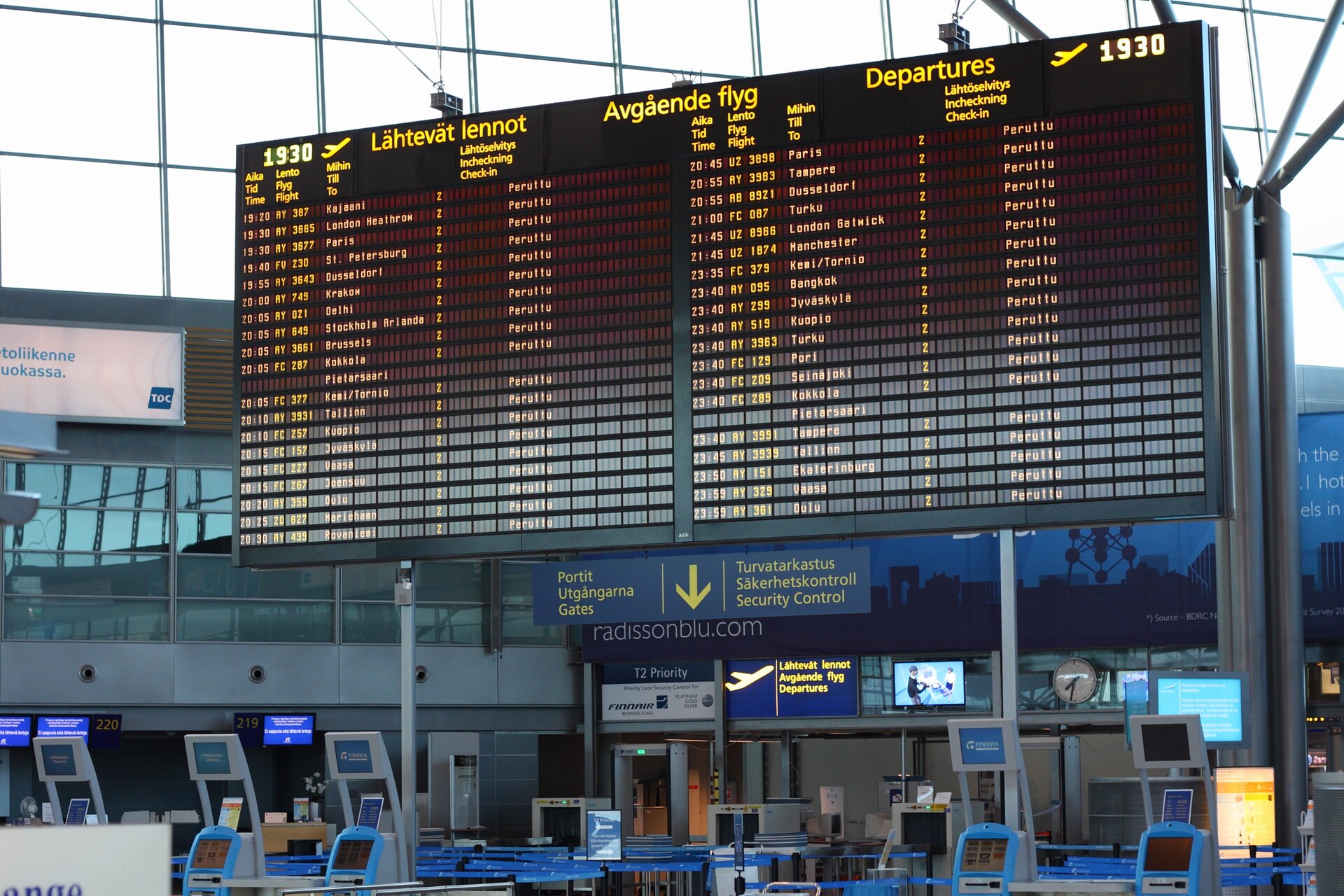
Photograph the gate screen showing the delayed time and flight number as soon as it changes, since boards update and the earlier version disappears. Save any text, email or app notification about the delay rather than deleting it once you board. If you buy food, a hotel night or transport because of the delay, keep every receipt with a short note on why it was needed. Ask any staff member for their name or a reference number and write it down immediately. If you accept a rebooked flight, save the new confirmation separately from the original so you can show both if needed. Keep a short timeline of when the delay was announced, when it changed, and when you finally boarded.
Practical notes
A weather delay is generally treated differently from one caused by a mechanical issue within the airline's control, so do not assume every delay carries the same outcome. Ask staff what caused this specific delay rather than guessing from the board, since the stated reason affects what is reasonable to raise. Avoid a long exchange with one staff member when a queue is building behind you, since a calm written request afterward often works better. Gate staff frequently have limited authority over system wide rebooking and may need to refer you elsewhere, which is not a sign of being unhelpful. Keep expectations tied to your own ticket conditions rather than another traveler's experience on a different route. Confirm any verbal detail against the written record before making a final decision.
Related guides
Flight Cancelled: Your Practical Next Steps
A calm sequence for checking your booking, finding alternatives and keeping useful records.
Read guide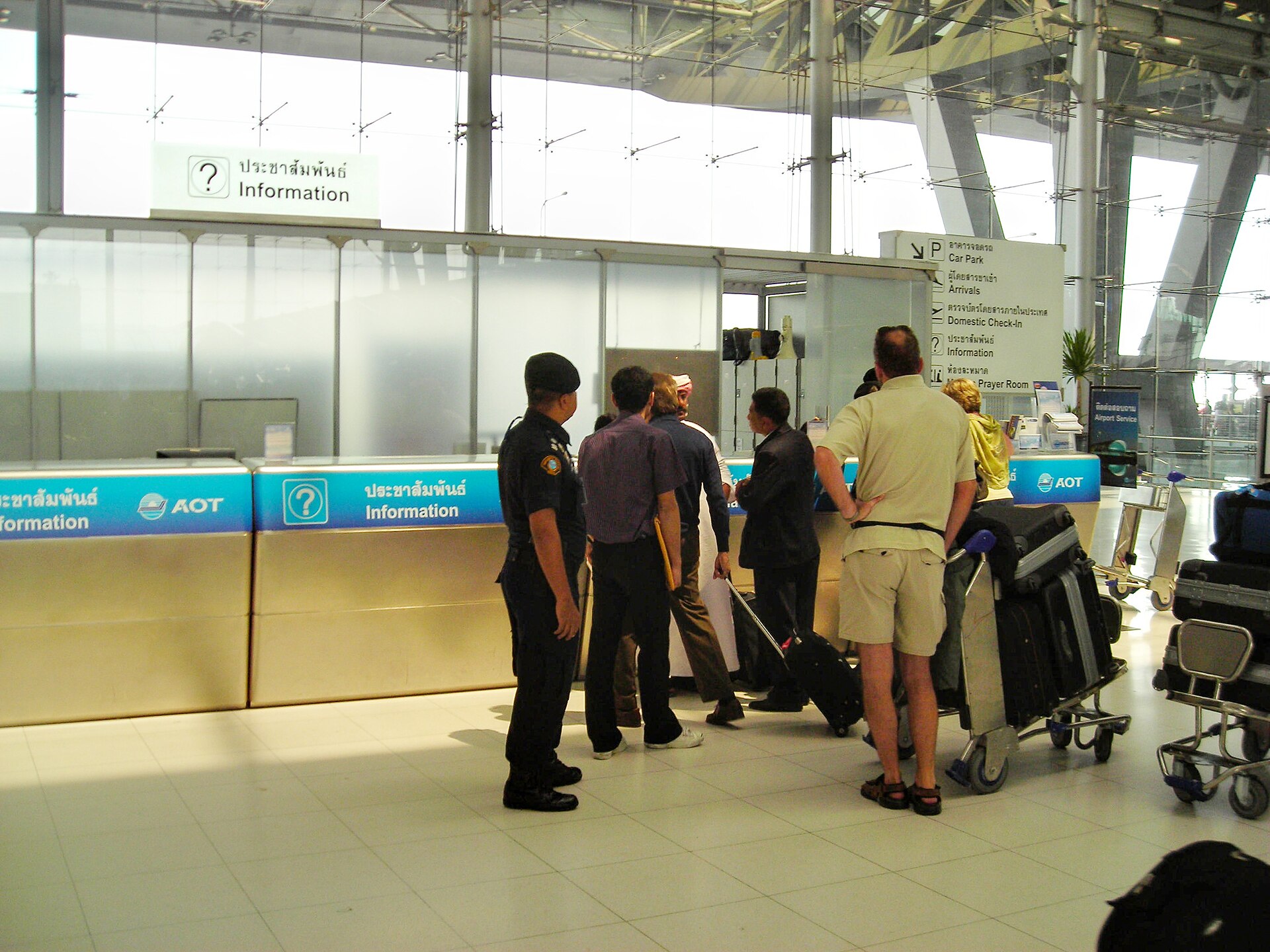
Missed Connection: What to Do Next
Work out who controls the next flight, where your baggage is going and which desk can help.
Read guide
Rebooking After a Flight Disruption
Compare the airline offer with realistic alternatives before confirming a new itinerary.
Read guide