Handling an Overnight Flight Disruption
A practical plan for accommodation, meals, baggage and the first flight the next morning.
8 min read · Updated September 2026
Understand the situation
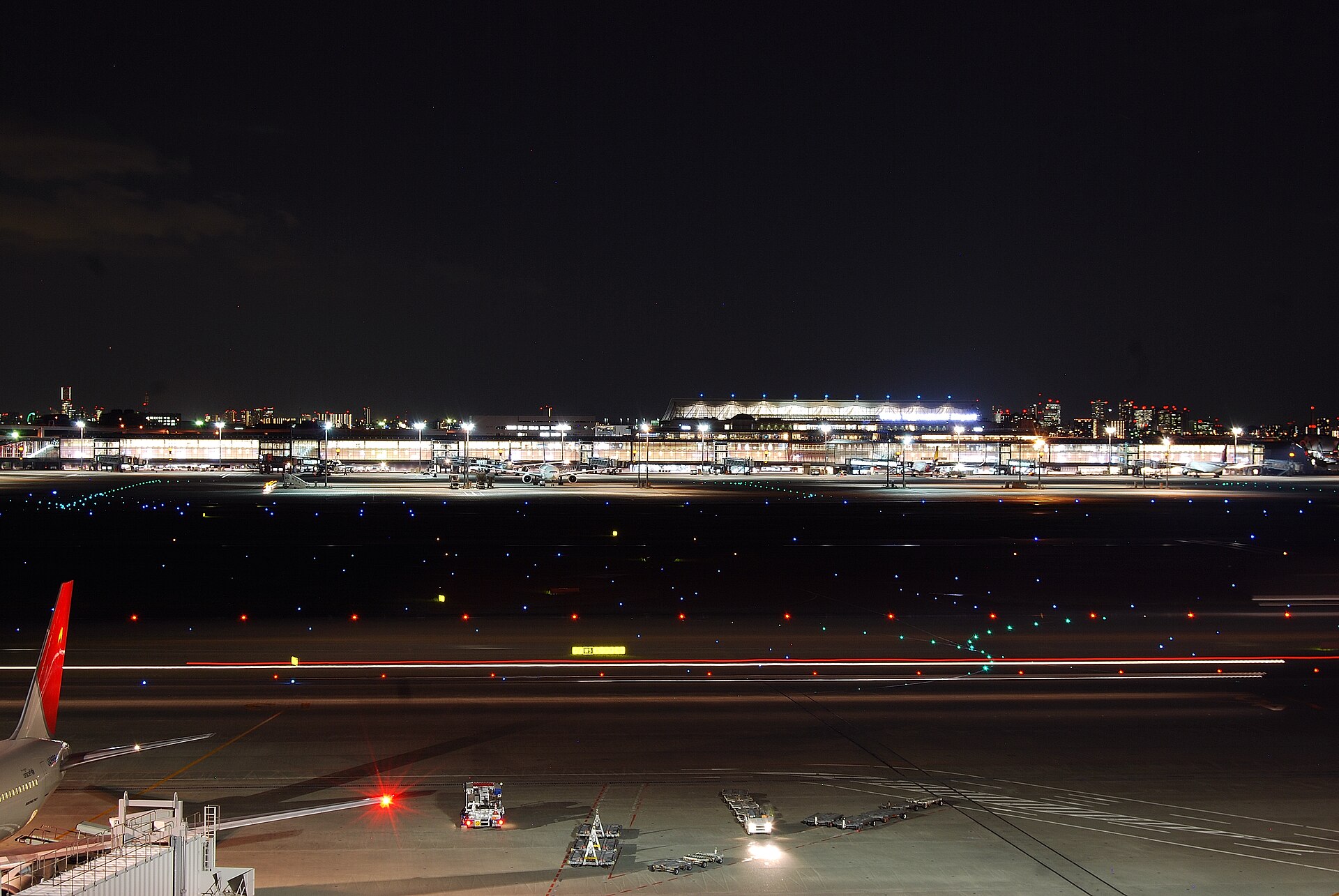
An overnight disruption changes the evening's priorities, since finding rest, a safe place to wait, and a plan for the next flight all matter more once normal transport and services have wound down for the night. Check what time the disruption was confirmed as extending past the last realistic departure of the day, since this is the point planning shifts from waiting at the gate to arranging where to spend the night. Note whether the airport stays open overnight or closes certain areas, since some clear non ticketed zones after the last flight while others allow passengers to remain near gates until morning. Check the status of nearby shops and food options, since many close earlier than the terminal itself. If you have specific needs, such as medication on a schedule, factor this into the choice between staying at the airport and finding a hotel.
What to do first
Ask the airline desk directly and early whether any accommodation or meal support applies to your situation, since this depends on the cause of the disruption and your ticket conditions rather than being automatic. If no support is offered and you plan to find a hotel independently, do this quickly, since nearby availability can disappear once many passengers from the same flight start searching at once. If staying at the airport, pick a well lit area near information screens or security presence, both for comfort and so you do not miss an update on your flight. Keep chargers, medication, and important documents within reach rather than in checked luggage, since bags are often inaccessible until the next flight. If travelling with others, agree on taking turns resting versus watching for updates through the night.

What to check
Check whether the airline has issued a specific new morning departure time or only a vague next day estimate, since a vague estimate means checking back periodically. Check the walking distance and reopening time of the departure area you will need in the morning, since some terminal sections close overnight and reopen only a short time before early flights. If you leave for a hotel, check return transport at the hour you would need it, since taxi or shuttle options can be limited very early. Check whether checked baggage remains accessible for the night. If meal vouchers are offered, check exactly where and until what time they can be used, since food outlets often run reduced overnight hours. Confirm whether your morning flight requires rechecking in or simply reconfirming at the gate.
Useful note: Before leaving for a hotel, confirm how you will return and whether you can re-enter the terminal for the replacement flight.
Where to get help
The airline's overnight service desk, where staffed, is the most relevant contact for accommodation questions and confirming the next flight's status. Where the desk closes overnight, check whether a phone line or app chat remains staffed, since some airlines maintain remote support even when the counter closes. Airport security or information staff present overnight can often advise which terminal areas stay open and where facilities such as rest areas are located. For passengers with specific medical or accessibility needs, ask early whether a quieter waiting area exists, since some airports can arrange this if asked directly. If a hotel voucher is promised but not yet issued, confirm it in writing before leaving the terminal, since verbal arrangements made late at night can be harder to trace once the original staff member finishes their shift.

Keep useful records
Note the exact time the overnight disruption was confirmed and by whom, since this detail can matter if the cause or handling of the delay is questioned later. Photograph any departure board or app notice showing the delay stretching into the next day. If you purchase a hotel room, meal, or transport because of the wait, keep every receipt with a short note on why it was necessary. If the airline provides a voucher, keep both the voucher and a note of how it was used. Ask for a reference number tied specifically to the overnight disruption if one is offered, and write down the name of any staff member who assisted, since overnight staffing often changes before morning.
Practical notes
Treat the first few hours after an overnight disruption is confirmed as the most useful window for securing rest, information, and any available support, since options narrow as more passengers compete for the same limited resources. Overnight staffing is often reduced, so a slower response at two in the morning may reflect fewer people on duty rather than reluctance to help. Keep questions to staff specific and brief given the hour, focusing on your flight number, current status, and exactly what you need. Avoid assuming policies described for daytime disruptions apply identically overnight, since timing changes what is practical even if the underlying policy is the same. Keep a simple written or photographed record of the night's events, since a clear account afterward is more useful than a tired memory.
Related guides

What to Do When Your Flight Is Delayed
A delay can change connections, ground transport and plans. Start with the facts, then protect your options.
Read guide
Flight Cancelled: Your Practical Next Steps
A calm sequence for checking your booking, finding alternatives and keeping useful records.
Read guide
Missed Connection: What to Do Next
Work out who controls the next flight, where your baggage is going and which desk can help.
Read guide